
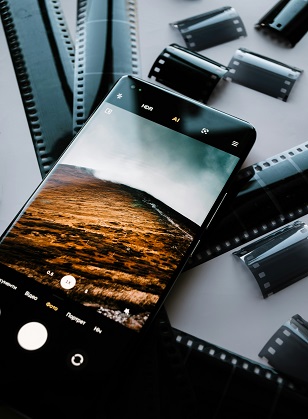
Travel photography tips has become increasingly accessible with the advancements in smartphone technology. Understanding your phone’s camera settings is foundational for capturing high-quality images that truly reflect your travel experiences. Smartphones typically come equipped with a variety of settings that allow you to adjust aspects such as resolution, aspect ratios, HDR, and exposure controls.
To access these settings, start by launching your camera application and looking for icons or menus that typically represent settings. Many smartphones feature an option to toggle between different resolutions. Higher resolutions are ideal for travel photography, as they allow for more detail, particularly useful for landscape shots or when printing photographs. In contrast, lower resolutions may suffice for sharing images on social media.
The aspect ratio is another critical setting to consider. Common aspect ratios such as 4:3 and 16:9 can dramatically affect composition. For example, the 16:9 ratio is often favored for widescreen images, perfect for capturing sweeping landscapes, while 4:3 may be better suited for portraits or tight shots. By experimenting with these ratios, you can find the one that enhances your travel photography style.
High Dynamic Range (HDR) is a feature that enhances images by balancing the exposure of bright and dark areas. Utilizing HDR helps in situations where there are significant contrasts in lighting, such as sunset or sunrise scenes. Adjusting exposure controls is equally critical, allowing you to brighten or darken your images for a desired effect. Mastering these settings enables you to take full advantage of your smartphone’s camera capabilities and significantly improves the quality of your travel photography.
Composition Techniques for Stunning Photos
Composition is a crucial aspect of travel photography tips that significantly influences the visual appeal of an image. For beginners using their phones for travel photography tips, understanding and applying basic composition techniques can greatly enhance their photographs. This section will explore three key techniques: the rule of thirds, leading lines, and framing.
The rule of thirds is perhaps the most well-known composition guideline. It involves dividing the image into nine equal parts using two horizontal and two vertical lines. The primary subjects in the image should be positioned along these lines or at their intersections. This technique helps create balance and interest in your photos. To effectively implement this while traveling, beginners should practice aligning their subjects with these lines—whether capturing a stunning sunset or an architectural landmark.
Another effective technique is the use of leading lines. These are natural lines in the scene, such as roads, paths, or rivers, that lead the viewer’s eye into the image. By incorporating leading lines into your shots, you can create depth and draw focus to the main subject of your photograph. When exploring new locations, look for these lines that can guide the viewer’s attention and create a sense of journey within your images.
Additionally, framing is a composition technique that involves using elements within the scene to create a “frame” around the subject. This can include overhanging branches, windows, or archways. Framing adds context and can invite the viewer into the environment, making the photo feel more immersive. Beginners should take time to explore their surroundings and use these natural frames to enhance their travel photography.
By practicing these composition techniques, photographers can start to transform their travel memories into striking images that truly capture the essence of the places they visit.
Lighting Considerations for Travel Photography
Lighting plays a pivotal role in travel photography tips, particularly when it involves travel. The quality of light can dramatically alter the mood and effectiveness of an image. Understanding and utilizing natural light can significantly enhance your travel photography, allowing you to craft stunning compositions even with just a smartphone.
One of the most important concepts in photography is the “golden hour,” which refers to the period shortly after sunrise and before sunset. During these times, the sun casts a warm, soft light that minimizes harsh shadows and creates a beautiful golden hue. For travelers, this means planning your photo shoots around these hours to capture landscapes, cityscapes, and even portraits in their most flattering light.
To work effectively with natural light, it is crucial to pay attention to the position of the sun. When photographing subjects, consider their orientation relative to the light source to prevent unwanted shadows or glare. For instance, backlighting can create striking silhouettes, while side lighting can add depth and texture to your images. Understanding how different light conditions impact your photos allows you to maximize the potential of any scene.
Additionally, managing shadows and highlights is essential in creating impactful images. If a scene has overly bright highlights or deep shadows, it can detract from the overall quality. Techniques such as shooting during overcast days can help, as the diffused light minimizes contrasts, making it easier to capture details in both highlights and shadows. Experimenting with angles and perspectives can also help you identify the best way to use the available light.
In conclusion, mastering the use of natural light is a critical aspect of travel photography. By recognizing the importance of timing, understanding how to manipulate shadows and highlights, and utilizing the available light conditions to your advantage, you can elevate your photography and create memorable images that tell a compelling story of your travels.
Editing and Sharing Your Travel Photos
Editing your travel photos can greatly enhance their visual appeal and make them standout on social media platforms. With the advancements in smartphone technology, various editing apps are available that cater to beginners looking to improve their travel photography. Start by selecting a reliable editing app. Popular options include Adobe Lightroom, Snapseed, and VSCO, which are user-friendly and packed with features that can help elevate your images.
One of the first steps in the editing process is cropping your photos. This is essential for framing your subject effectively and eliminating any distractions that may detract from the main focus. When cropping, consider the rule of thirds, which suggests placing the main subject at the intersection points of a grid overlay. This provides a more engaging composition.
Next, adjusting brightness and contrast is crucial for enhancing the overall quality of your images. Increasing brightness can help illuminate dark photos, while tweaking contrast can make colors pop, adding depth and intensity. Be careful not to over-edit, as excessive adjustments can lead to unnatural-looking images.
Filters are a popular feature in many editing applications. They can dramatically change the mood and tone of your photos. However, while filters can produce aesthetic effects, it is advisable to use them sparingly and maintain a natural look whenever possible. Experiment with different filters to see which aligns best with your travel narrative.
Upon perfecting your photo, sharing it on platforms like Instagram or Facebook is the final step. To maintain quality, always upload at the highest resolution possible. It’s also beneficial to research optimal upload settings for each social media platform, as each has specific requirements. Additionally, using relevant hashtags can enhance visibility, allowing others to appreciate your travel photography.