
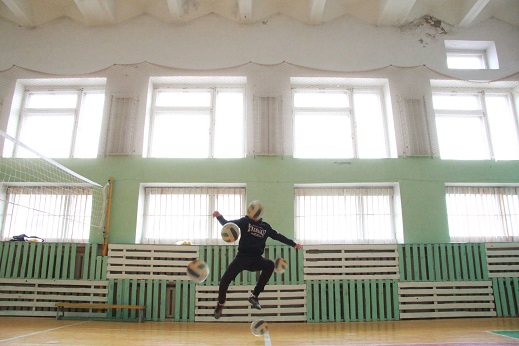
Jumping mechanics is a complex movement that relies heavily on the cooperation of various muscle groups and the interplay of biomechanical principles. In sports such as basketball and volleyball, jumping mechanics are critical for achieving optimal jump heights. Core muscle groups involved in jumping include the quadriceps, hamstrings, calves, and gluteal muscles. These muscle groups must work synergistically to generate the force necessary for an effective jump.
The angle of the joints at takeoff plays a crucial role in maximizing jump height. Flexing the knees and hips before an explosive jump creates potential energy, allowing athletes to utilize elastic energy during the upward motion. This process is often referred to as the stretch-shortening cycle (SSC), where muscles produce a greater force when pre-stretched prior to contraction. Joint angles, especially at the knees and hips, determine the effectiveness of this energy transfer, impacting overall height achieved during a jump.
Gravity is another fundamental aspect of jumping mechanics that cannot be overlooked. When an athlete propels themselves into the air, they are working against the force of gravity, which ultimately limits the height one can reach. This is where technique and timing come into play; improving take-off mechanics can mitigate the adverse effects of gravity and enhance overall jump performance. Furthermore, understanding the differences between vertical jumps and explosive jumps is essential. Vertical jumps emphasize height and require precise control over body position, while explosive jumps focus on achieving maximum height and distance within a short time frame.
By mastering these mechanics, athletes can develop better techniques to enhance their jump performances in basketball and volleyball. Comprehending the intricate details of jumping biomechanics will facilitate effective training strategies, leading to improved jump heights essential for success in competitive sports.
Essential Exercises for Increasing Jump Height
Improving jump height is crucial for athletes in sports such as basketball and volleyball, where vertical leap can significantly influence performance. A well-rounded exercise regimen focusing on strength, explosiveness, and flexibility is essential for maximizing jump potential. Below are some of the most effective exercises to enhance vertical jump height.
One of the foundational exercises is the squat, which primarily targets the quadriceps, hamstrings, and glutes. Performing squats with proper form is vital; athletes should aim for at least three sets of eight to twelve repetitions, progressively increasing weight over time. Additionally, incorporating variations such as front squats or overhead squats can further engage stabilizing muscles and improve overall power.
Plyometric exercises, particularly box jumps, are highly effective in building explosive strength. Start with a box height that is comfortable and maintain proper landing mechanics to avoid injury. Aim for three to four sets of five to ten repetitions, focusing on speed and height during each jump. This exercise trains the neuromuscular system to generate force rapidly, which directly correlates with increased jump height.
Calf raises are another critical exercise that targets the calf muscles, essential for the final push-off during a jump. Athletes should perform calf raises both standing and seated to engage different muscle fibers. Include three sets of 15 to 20 repetitions to build endurance and strength in the lower leg.
Incorporating these exercises into a regular training routine, ideally three to four times a week, can significantly improve jump height. Remember to emphasize proper form, adequate warm-ups, and cool-downs to minimize the risk of injury and maximize the effectiveness of your workouts.
The Importance of Flexibility and Mobility
Improving jumping mechanics height in sports such as basketball and volleyball is not solely dependent on strength and power; flexibility and mobility play crucial roles as well. Flexibility refers to the range of motion available in a joint or group of joints, while mobility encompasses the ability to move freely and easily, often dictated by both muscle flexibility and overall joint health. Proper flexibility enhances an athlete’s ability to execute explosive movements, contributing significantly to higher jump heights.
Stretching routines before and after workouts can greatly benefit flexibility, preparing the body for intense physical activity while aiding in recovery. Dynamic stretching, which involves movement-based stretches that mimic the activities an athlete will perform, is particularly effective in enhancing mobility and neuromuscular coordination. Incorporating dynamic stretches into warm-ups can activate the muscles used during jumps, leading to improvements in range of motion and overall performance.
Static stretching, on the other hand, is beneficial post-workout, helping to lengthen muscles and promote flexibility. This type of stretching can reduce muscle soreness and tightness, enhancing recovery so that athletes can train effectively the following day. Additionally, incorporating yoga into regular training can further improve flexibility and overall body awareness, allowing athletes to better control their movements during jumps.
In summary, the integration of flexibility and mobility training routines is essential for athletes looking to enhance their jump height in basketball and volleyball. By dedicating time to effective stretching and mobility exercises, athletes can optimize their performance and minimize the risk of injury, ultimately leading to improvements in their game.
Nutrition and Recovery Strategies for Optimal Performance
Nutrition and recovery strategies play crucial roles in enhancing jump height for athletes involved in basketball and volleyball. To maximize performance, it is essential to consume a well-balanced diet that supports muscle growth, energy levels, and overall health. Foods rich in lean proteins, such as chicken, fish, eggs, and legumes, should be prioritized, as they aid in muscle repair and growth after strenuous exercises. Additionally, incorporating complex carbohydrates like whole grains, fruits, and vegetables can provide the sustained energy necessary for high-intensity training sessions.
Hydration is another fundamental aspect that should not be overlooked. Proper hydration affects physical performance and cognitive function, both of which are vital for athletes. Dehydration can lead to reduced strength and stamina, potentially compromising jump performance. It is advisable to drink water consistently throughout the day and to consider electrolyte-rich beverages during prolonged workouts to maintain optimal fluid balance.
Furthermore, effective recovery methods are paramount to preventing injuries and ensuring athletes can perform consistently. Resting adequately allows the muscles to recover and grow stronger. Active recovery techniques, such as light jogging or cycling, can also promote blood flow and reduce muscle soreness after intense training. Foam rolling is an excellent strategy for releasing muscle tension and enhancing flexibility, reducing the risk of injuries that may arise from tight muscles. Implementing these nutrition and recovery optimizations can significantly enhance jump height capability, ensuring athletes can perform at their best during competitions.