
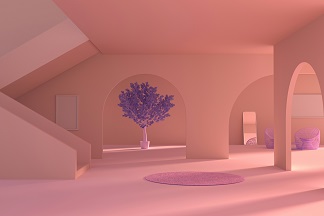
Color theory is a fundamental concept in art and design that explores the relationships between colors and their effects on human perception. Central to color theory is the color wheel, which displays the spectrum of colors arranged in a circular format. This wheel is divided into three primary categories: primary, secondary, and tertiary colors. Primary colors, red, blue, and yellow, cannot be created by mixing other colors. In contrast, secondary colors, which include green, orange, and purple, emerge from the combination of two primary colors. Tertiary colors result from mixing primary and secondary colors, creating hues like red-orange and yellow-green.
Beyond understanding these basic colors, it is vital to explore various color schemes derived from the color wheel, as these schemes can significantly influence the mood and atmosphere of a room. Complementary color schemes, characterized by pairs of colors situated directly across from each other on the wheel, create high-contrast combinations that can energize a space. For instance, the pairing of blue and orange can add vibrancy while drawing attention to specific areas within a room.
Analogous color schemes involve three adjacent colors on the color wheel, resulting in harmonious combinations that evoke tranquil and serene environments. For example, combining blue, blue-green, and green creates a peaceful ambiance, making it an excellent choice for bedrooms or relaxation areas. Lastly, triadic color schemes utilize three evenly spaced colors on the wheel, such as red, yellow, and blue, delivering a balanced and vibrant look, ideal for lively spaces like playrooms or creative studios.
By considering these elements of color theory, individuals can make informed decisions when selecting paint colors for their living spaces, ensuring that the chosen hues will foster the desired emotional impact and aesthetic appeal.
Consider the Room’s Purpose
When selecting paint colors for your home, the primary consideration should be the function of each room. The purpose of the space significantly influences which colors will be most suitable. Different rooms cater to various activities and moods, and understanding this can guide you in choosing the right palette.
For instance, in a living room, which is often a hub for social interaction, shades that promote warmth and comfort can be ideal. Warm neutrals, soft grays, and muted earth tones foster a welcoming environment. These colors also create a versatile backdrop that allows you to add vibrant accents through furniture and decor.
In contrast, bedrooms should evoke tranquility and relaxation. Soft blues, gentle lavenders, and pastel greens can create a peaceful atmosphere conducive to restful sleep. These colors are effective in promoting calmness which is essential in a personal retreat. Additionally, opting for darker shades can create a cocooning feel, especially for those who appreciate a cozy ambiance.
The kitchen, often regarded as the heart of the home, tends to benefit from brighter, more energizing hues. Shades of yellow, light greens, or whites can invigorate a space meant for culinary creativity, encouraging productivity. Such colors reflect light beautifully, enhancing the overall brightness of the room.
Lastly, bathrooms should ideally incorporate colors that inspire cleanliness and fresh tranquility. Soft whites, aquas, and soft grays work effectively in these spaces. These colors not only enlarge the perception of space but also convey a refreshing feel, reminiscent of a sanctuary.
The desired atmosphere should ultimately guide your choices, ensuring that the selected colors complement the room’s intended function while enhancing overall comfort and activity within the space.
Lighting and Its Impact on Color
When selecting paint colors for a room, understanding the influence of both natural and artificial lighting is essential. The perception of color is highly subjective and can be significantly altered by the type and source of lighting employed in the space. For instance, a shade of blue might seem vibrant in daylight but can appear muted under incandescent lighting.
Natural light changes throughout the day; morning light is often cooler and more blue-toned, while afternoon sunlight may have a warmer hue. This variation affects how colors appear, making it crucial to evaluate paint samples at different times. If a room enjoys ample sunlight, it may allow for bolder colors, while a space with limited natural light may require softer tones to avoid feeling dreary.
Artificial lighting sources also play a major role in color perception. Incandescent bulbs emit a warm, yellowish glow, typically enhancing warm colors like reds and yellows while dulling cooler shades such as blues and greens. Conversely, LED lights can vary significantly depending on their color temperature. Daylight LED bulbs produce a bright, cool light that can bring a sense of vibrancy to any color scheme, while softer LED lights can create a cozier atmosphere but might not accurately represent paint colors.
Additionally, understanding the differences between warm and cool lighting aids in choosing the right paint colors. Warm lighting tends to make colors look warmer and richer, enhancing earth tones and warm hues. In contrast, cool lighting can accentuate the crispness of cooler shades, making them feel more refreshing. By carefully considering the types of lighting present in a room, homeowners can select paint colors that harmonize beautifully with the given ambiance, creating a cohesive and aesthetically pleasing environment.
Creating a Cohesive Color Scheme
Establishing a cohesive color scheme throughout your home is essential for creating a harmonious living environment. A well-planned palette not only enhances the visual appeal of each room but also facilitates a sense of flow between spaces, making your home feel more interconnected.
To begin with, selecting a primary color can set the foundation for your entire color scheme. This color should ideally be a neutral shade or a subtle hue that resonates well with the overall aesthetic you desire. Once you have your primary color, you can explore complementary shades that work seamlessly with it. For instance, if you choose a warm beige as your base, consider incorporating soft greens or muted blues as accent colors.
When transitioning from one room to another, be mindful of how the colors interact. Adjoining spaces should not feel abrupt in their color shift; instead, they should create a fluid transition. One effective strategy is to use a variation of the primary color in adjoining rooms. If a living room features a soft taupe, its adjacent dining room could incorporate a slightly darker taupe or a related color that complements the living space.
Another technique to achieve a cohesive look is to establish a unifying element, such as artwork or textiles, that incorporates the colors chosen for each room. This not only adds a personal touch but also visually ties the spaces together. Additionally, utilizing a consistent finish—such as matte or satin—across various surfaces can further enhance the continuity in your color scheme.
Ultimately, creating a cohesive color palette requires thoughtful planning and consideration of how each choice interacts with adjacent spaces. By maintaining a flow in your color selections, you ensure that your home feels harmonious, inviting, and aesthetically pleasing.
Using Paint Samples Effectively
Selecting the right paint colors for each room in your home can significantly influence the overall ambiance and mood of the space. One crucial step in this process is utilizing paint samples effectively. This allows homeowners to visualize how different colors will look in their specific environment, which can ultimately aid in making an informed decision.
When you receive your paint samples, rather than applying them directly to the wall, consider using poster board or large sheets of paper. This method allows you to move the samples around the room, comparing them against various backgrounds, such as furniture, flooring, and existing decor. This approach offers versatility and makes it easier to see how each color interacts with different elements in the space.
Another key aspect to keep in mind is lighting. Different types of lighting can significantly alter the appearance of paint colors. Therefore, it is essential to observe your chosen paint samples at various times throughout the day. Morning light, afternoon sunlight, and the evening’s soft glow can transform how the colors are perceived. Additionally, consider how artificial light sources in the evening, such as lamps and overhead lights, impact the color’s appearance.
Furthermore, test your samples on multiple walls if possible. The paint can look different on various surfaces or angles due to reflection and natural light, which can mislead your initial perception. By employing this strategy, you can assess the cohesiveness of your paint choice with your overall design vision.
Ultimately, taking the time to test paint samples thoroughly will not only help to prevent costly mistakes but will also ensure that the chosen color complements the intended style and functional needs of the room.
Incorporating Trends vs. Timelessness
When selecting paint colors for your home, striking a balance between current trends and timeless hues is essential. The evolving nature of design trends means that certain shades can quickly fall out of favor, leaving homeowners uncertain about their choices. Understanding the implications of trendy versus classic colors will help create an environment that feels relevant yet not fleeting.
Trend-driven colors can invigorate your space, offering fresh perspectives and contemporary aesthetics. Popular colors often reflect contemporary lifestyles and cultural influences. For instance, shades like deep greens or vibrant coral may resonate with current design philosophies. However, opting for these trendy shades may require a strategic approach. Consider using them as accent colors in smaller areas or through features such as an accent wall. This method allows you to engage with current color trends while maintaining a timeless base color throughout the room.
Conversely, classic shades such as soft whites, warm beiges, or muted grays can instill a sense of enduring elegance in your space. These colors tend to complement various styles and adapt easily to changing decor trends. To promote longevity in your color selection, it is advisable to prioritize these established hues, especially for permanent features like cabinetry or large wall areas.
In conclusion, you do not need to avoid trendy shades entirely; instead, aim to integrate them thoughtfully with timeless palettes. This strategy not only ensures that your home remains stylish but also reflects your personal taste, preventing the need for frequent repainting or renovations. Ultimately, the key lies in creating a cohesive color strategy that balances both contemporary aesthetics and lasting appeal.
Personal Style and Expression
Choosing the perfect paint colors for your home is not merely about aesthetics; it is a direct reflection of your personal style and individual expression. Each color resonates differently with each person, evoking distinct emotions and sentiments. Therefore, when embarking on the journey of selecting paint colors, it is essential to consider your own taste and how you wish to convey your personality throughout your living spaces.
Your personal style can substantially influence your color choices. For instance, individuals with a penchant for modern minimalism might lean towards muted hues and neutral shades that create a sense of calm and simplicity. Conversely, someone with a more eclectic taste may opt for vibrant colors and bold combinations that energize their surroundings. Regardless of your preference, the key is to identify the colors that resonate with you personally and create an environment that feels distinctly “you.”
Your existing furnishings and personal items also play a crucial role in the color selection process. A cherished piece of artwork or a vintage couch can anchor your color palette, directing you towards shades that complement those items. Harmonizing your paint colors with your furniture and decor not only creates visual cohesion but also enhances the overall ambiance of your home. It is prudent to gather swatches and samples that align with the hues found in your favorite possessions, ensuring that the completed space feels harmonious and cohesive.
Ultimately, the selection of paint colors should be an expression of your unique style and personality. Embrace the opportunity to curate a palette that authentically represents who you are, enhancing both the aesthetic appeal and emotional comfort of your home. Remember, a thoughtfully chosen color can transform your space into a true reflection of yourself.
The Psychology of Color
Color plays a fundamental role in our environment, influencing not just aesthetics but also emotions and behaviors. Understanding the psychology of color can significantly enhance our ability to create atmospheres that align with the purpose of each room. Different colors can evoke distinct feelings, making them powerful tools in interior design.
Warm colors, such as red, orange, and yellow, are known for their energizing properties. Red, often associated with passion and love, can stimulate conversation and intimacy, making it an excellent choice for dining rooms. Orange brings warmth and enthusiasm, which is ideal for spaces intended for socializing, while yellow can evoke feelings of happiness and cheer, making it suitable for kitchens or playrooms.
Cool colors, including blue, green, and purple, tend to have a calming effect. Blue is frequently linked to tranquility and serenity, making it a popular choice for bedrooms and bathrooms. Soft shades of green, reminiscent of nature, promote relaxation and balance, making them perfect for living areas and offices. Purple, often associated with luxury and creativity, can add a touch of elegance and is well-suited for spaces like libraries or artistic studios.
Neutrals, such as white, grey, and beige, serve as versatile backdrops, allowing bolder colors to stand out while maintaining a sophisticated ambiance. They evoke feelings of simplicity and cleanliness. White and light grey can make small spaces feel larger and airier, while beiges can offer warmth and stability. In contrast, darker neutrals may create a more dramatic atmosphere, ideal for home theaters or cozy lounges.
Incorporating these colors thoughtfully in each room enables homeowners to harness the psychological effects of color, thus creating spaces that are not only visually appealing but also conducive to the desired emotional responses.
Final Tips and Considerations
Choosing the right paint colors for each room is an essential step in enhancing your living space. However, beyond color selection, the painting process involves several important considerations that can significantly impact the results. To achieve an optimal finish, proper preparation is key. Start by clearing the room of furniture and covering the floors with drop cloths to protect them from spills and splatters. Ensure that the walls are clean and free of grease or dirt; this can be achieved through washing with soap and water or a specialized cleaner.
Additionally, priming the walls before painting can make a notable difference, especially if you are transitioning from a darker color to a lighter one. Selecting the appropriate finish is also crucial as it influences both the aesthetics and durability of your paint job. For high-traffic areas such as hallways, satin or semi-gloss finishes can offer the necessary durability and ease of cleaning, while a flat finish may be more suitable for ceilings or low-traffic rooms.
When it comes to implementing your paint colors, you have the option of doing it yourself or hiring a professional. DIY painting can save costs and give you a sense of accomplishment. However, it requires time, effort, and the right tools, such as quality brushes, rollers, and painter’s tape. Conversely, hiring a professional painter can ensure a high-quality result, particularly for those who are inexperienced or short on time. Professionals possess the expertise and equipment to handle a variety of challenges, such as uneven surfaces and intricate designs.
Ultimately, whether you choose to embark on a DIY painting project or enlist the help of professionals, keeping these preparation strategies, finish selections, and considerations in mind will guide you toward achieving the perfect paint colors for every room in your home.