
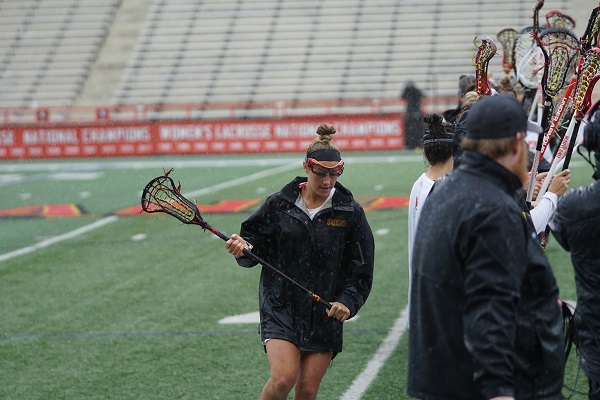
Weather impact on sports conditions play a crucial role in determining athletic performance, influencing not only the strategies that athletes employ but also their physiological reactions. Key elements such as temperature, humidity, wind, and precipitation can enhance or impede an athlete’s ability to perform optimally.
Temperature significantly affects how the body regulates heat. At high temperatures, athletes may experience increased core body temperatures, which can lead to heat exhaustion or heat stroke if not properly managed. Conversely, cooler temperatures can benefit endurance sports, as athletes might perform better with reduced risk of overheating. However, extreme cold can result in hypothermia and impaired muscle function, thereby negatively impacting performance.
Humidity is another critical factor. High humidity levels can aggravate the body’s cooling mechanism, as sweat does not evaporate efficiently, causing a rise in body temperature. This can lead to dehydration and fatigue, thereby diminishing an athlete’s performance. Conversely, low humidity can help athletes perform better, but individuals may still need to be cautious about hydration.
Wind conditions play a dual role in athletic performance. A favorable tailwind can give sprinters and cyclists an advantage, allowing them to achieve higher speeds with less effort. On the other hand, headwinds can slow performance significantly, presenting additional physical challenges that athletes must contend with during competitions. Similarly, precipitation can alter surfaces, impacting everything from grip and traction to the perception of speed, which can be particularly problematic in sports such as soccer and football.
In summary, each of these weather elements can dramatically influence sports performance. Athletes, coaches, and teams must consider and adapt to these conditions to maximize their competitive edge in various sports scenarios.
Impact of Temperature on Athletic Performance
Temperature is a significant environmental factor that influences athletic performance, affecting athletes’ endurance, strength, and overall efficiency during physical activity. When temperatures rise, the body must work harder to regulate its core temperature, which can lead to heat exhaustion or heat stroke, especially in endurance sports. Heat-related illnesses are serious, with evidence suggesting that performance drops significantly when the ambient temperature exceeds optimal ranges. Athletes may experience a decline in performance typically when temperatures surpass 80°F (27°C), as elevated heat levels can impede cardiovascular function and metabolic efficiency.
Conversely, extremely cold temperatures can also pose a serious risk to athletes. When exposed to cold weather impact on sports, athletes may experience reduced muscle strength and endurance. The body’s ability to generate power can diminish due to muscle stiffness and a slowing metabolic rate, potentially leading to hypothermia in extreme conditions. Cold weather can also contribute to injuries, such as frostbite and joint pain, which can severely limit an athlete’s performance.
To optimize athletic performance, understanding the ideal temperature ranges for specific sports is crucial. For example, endurance sports like long-distance running often perform best in temperatures between 50°F and 60°F (10°C to 16°C), while sports such as skiing thrive in colder climates where snow and ice conditions are better for performance. Proper acclimatization and hydration strategies are essential for athletes training in varying temperatures, ensuring they maintain peak performance while mitigating risks associated with extreme conditions.
The Role of Humidity and Wind
Humidity and wind are critical elements in the impact of weather on sports performance. High humidity levels can significantly affect athletes’ ability to perform. When the air is saturated with moisture, the body’s typical cooling mechanism—perspiration—becomes less effective. As a result, athletes may experience increased perspiration, leading to quicker onset of fatigue and potential heat-related illnesses. It is vital for athletes to recognize their limits in high-humidity conditions, as the risk of overheating rises considerably.
Moreover, wind can also exert a pronounced effect on athletic performance, particularly in endurance sports like running and cycling. For instance, strong headwinds can slow down runners and cyclists, requiring them to exert more energy to maintain their pace. Conversely, tailwinds can provide a boost but may also disrupt an athlete’s control and focus. This can lead to varying performance levels depending on the wind conditions, which must be assessed and strategized accordingly during training and competitions.
To effectively cope with high humidity and windy conditions, athletes can adopt several practical strategies. During practice sessions, ensuring adequate hydration is paramount to counteract fluid loss from excessive sweating in humid environments. Schedule training during cooler parts of the day when humidity levels are potentially lower to enhance performance. In competitions, athletes should be aware of the wind direction and adjust their techniques, such as pacing and positioning, to account for these variable conditions. Utilizing windbreakers can also be beneficial to shield against gusts while maintaining optimal speed and efficiency.
Adjusting Training and Preparation for Weather Conditions
Weather significantly influences sports performance, necessitating adjustments in training schedules and strategies to optimize results. Athletes and coaches must remain adept at assessing weather forecasts and understanding how varying conditions affect both performance and safety. The cornerstone to successful adaptation begins with evaluating the current weather impact on sports conditions, including temperature, humidity, wind, and precipitation. Tools such as reliable weather apps and forecasts can provide crucial updates, enabling teams to strategize effectively.
When planning outdoor training sessions, it is imperative to choose the appropriate attire based on the prevailing weather. For instance, in colder climates, layering becomes essential. Athletes should opt for moisture-wicking base layers, insulating mid-layers, and windproof outer layers to maintain body temperature and prevent heat loss. Conversely, in hot and humid conditions, lightweight, breathable fabrics are recommended to aid in thermoregulation. Coaches must emphasize the importance of hydration in all weather scenarios, as proper fluid intake is vital to ensure peak performance and mitigate heat-related illnesses.
Incorporating weather impact on sports variables into training plans can enhance overall performance while also reducing risks. For example, on hot days, it may be beneficial to schedule training during the cooler parts of the day, such as early morning or late evening. Likewise, when rain or snow is forecast, athletes could focus on skill refinement indoors or adjust the intensity and duration of outdoor workouts to minimize injury risks. Ultimately, embracing a flexible training schedule that accommodates weather fluctuations fosters resilience in athletes and promotes optimal performance under varying conditions.