
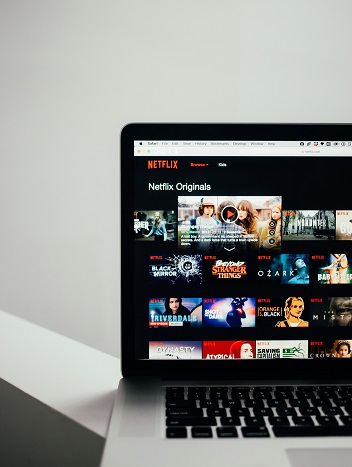
Reality TV, a genre that has transformed the landscape of entertainment, features unscripted programming that often highlights ordinary people in extraordinary situations. The origins of reality shows can be traced back to the late 20th century, with programs such as MTV’s “The Real World” paving the way for the modern iteration of this format. Since then, reality television has evolved significantly, gaining exponential popularity through the introduction of various subgenres including talent competitions, dating shows, and lifestyle programs. The transformation of television viewing habits has played a paramount role in the ascent of reality shows. With the advent of digital platforms and streaming services, audiences have gained unprecedented access to a myriad of choices, allowing them to engage with reality content on demand. Reality television offers viewers a unique blend of entertainment, drama, and relatability, with episodes often showcasing real-life events, conflicts, and experiences that resonate with audiences.
This genre’s widespread appeal lies in its ability to captivate through authenticity and emotional connection. Reality shows often provoke discussions about social issues, cultural norms, and human behavior, making them not just a source of entertainment but also a reflection of contemporary society. The allure of watching real people navigate life’s challenges has created a significant cultural impact, influencing trends, social conversations, and even shaping public perceptions.
As reality television continues to evolve, its influential role in popular culture remains undeniable. It serves not only as a window into the lives of others but also mirrors the aspirations, conflicts, and realities faced by everyday individuals. In the current media landscape, reality shows stand out as a quintessential form of entertainment that bridges gaps between various societal narratives, ultimately shaping the narrative of our times.
Top Trending Reality Shows of 2023
As we venture into 2023, several reality shows have surged in popularity, captivating audiences across different demographics. These shows not only reflect the diverse interests of viewers but also showcase unique themes and formats that keep them engaged. Below is a curated list of the top trending reality shows currently making waves.
1. The Hype House – This show follows the lives of social media influencers residing in the famous Hype House. It offers viewers an intimate look at their relationships, everyday challenges, and the pressure of maintaining relevance in the digital age. The combination of drama, humor, and lifestyle content creates an infectious appeal.
2. The Traitors – This unique competition show rings the bells of strategy and deception. Contestants are divided into two groups: the Traitors and the Faithful. Each week, they must navigate alliances and discover who among them is plotting to sabotage their chances of winning a cash prize. Its intricate gameplay and psychological aspects have garnered a significant following.
3. Below Deck Adventure – Expanding on the successful Below Deck franchise, this version introduces viewers to the high-seas journey aboard luxurious yachts. Team members and guests partake in thrilling excursions, while navigating personal drama and professional challenges. The breathtaking backdrops and dramatic encounters keep viewers glued to their screens.
4. Love Is Blind: Season 4 – This dating show continues to stir emotions as singles seek love while isolated from the outside world. Contestants engage in conversations through pods, proposing to their chosen partners without the influence of physical appearances. The innovative format fosters deep connections and showcases the complexities of modern romance.
These shows exemplify the current landscape of reality entertainment, appealing to varied interests and sparking conversations. As 2023 progresses, audiences can anticipate further evolution in reality television, driven by new concepts and formats aimed at maintaining viewer engagement.
Behind the Scenes: Production of Reality Shows
The production of reality shows involves a complex interplay of various roles and creative processes that contribute to the final product viewers enjoy. At the forefront of this process are producers, who oversee the entire production from conception to execution. They are responsible for budgeting, scheduling, and coordinating the different elements that come together to create engaging content. Producers often work closely with a creative team to ensure that the show’s concept resonates with its target audience.
Directors play a crucial role in shaping the narrative and visual style of reality shows. They guide the cast, manage the filming schedule, and make real-time decisions about shots and scenes. This requires not only strong communication skills but also the ability to remain adaptable, as reality television often contains unpredictable elements that can alter the flow of production. Additionally, directors collaborate with camera operators and sound technicians to capture the essence of the unfolding drama, ensuring that each moment is both authentic and captivating.
Editing is another critical aspect of reality show production. Editors sift through hours of footage to distill the most compelling moments that align with the show’s narrative arc. This process can be time-consuming and requires a keen sense of pacing and storytelling. In reality television, where the line between scripted and unscripted can blur, editors have the challenge of constructing a cohesive story while maintaining the spontaneity that characterizes this genre.
Overall, the production of reality shows is a collaborative effort that demands creativity, flexibility, and skill across multiple disciplines. Each role is essential in crafting an engaging viewing experience that keeps audiences coming back for more, showcasing the intricate behind-the-scenes work that makes these shows captivating.
Reality Show Genres Worth Watching
Reality television encompasses a diverse array of genres, each presenting unique content and engaging formats that cater to various viewer preferences. Among the most prevalent genres are competition shows, dating shows, home improvement programs, and docuseries. These categories not only entertain but also resonate with audiences on different levels, making them worth exploring.
Competition shows form a significant part of the reality genre, often bringing contestants together to compete in challenges that test their skills. Popular examples include shows like “Survivor” and “The Amazing Race,” where participants face obstacles both physically and mentally, vying for cash prizes or rewards. The thrill of competition coupled with unexpected alliances and rivalries keeps viewers on the edge of their seats, making these shows highly engaging.
In contrast, dating shows focus on romantic relationships, often utilizing unique settings and formats to connect singles. Shows like “The Bachelor” and “Love Is Blind” showcase individuals navigating the complexities of love and attraction in often unconventional circumstances. This genre not only entertains but also invites viewers to explore the dynamics of relationships, adding a layer of emotional investment.
Home improvement shows, such as “Fixer Upper” and “Property Brothers,” offer viewers an insight into renovation projects that blend design tips with real estate advice. These programs are particularly appealing to those interested in DIY culture and home aesthetics, as they often provide practical guidance alongside entertaining transformations.
Lastly, docuseries have gained significant traction, presenting real-life stories in structured episodes. Series like “Making a Murderer” and “Tiger King” delve into compelling narratives, often highlighting societal issues or unusual lifestyles that provoke thought and discussion among viewers. This genre’s factual basis combined with storytelling elements creates a profound impact.
Fan Favorites: The Most Liked Reality Shows
In recent years, reality television has experienced a surge in popularity, captivating audiences across various demographics. Analyzing audience feedback paints a vivid picture of which shows have won over the hearts of viewers. Social media platforms, particularly Twitter and Instagram, have played a pivotal role in shaping public opinion, with hashtags and trending topics amplifying the buzz surrounding favored programs.
Among the most celebrated reality shows is The Bachelor, which continues to attract a substantial viewership. With millions tuning in each season, its mix of romance and drama has provided viewers with memorable entertainment. The show’s fan engagement is significant, as evidenced by the extensive conversations taking place on social media, making it a central figure in the reality TV landscape.
Furthermore, RuPaul’s Drag Race has emerged as a cultural phenomenon, garnering a passionate fan base that actively promotes the show online. It’s celebrated for not only showcasing extraordinary talent but also for its inclusivity and representation of LGBTQ+ communities. The show has successfully transcended traditional viewing metrics, marking its influence across several platforms as fans share their favorite moments and contestants.
Other notable mentions include Survivor and The Great British Bake Off, both of which have demonstrated their ability to capture audience interest consistently. Viewership statistics reveal a loyal following that eagerly anticipates new seasons, with discussions frequently igniting across various online forums. Ratings and critical acclaim further reflect their standing in the realm of reality television.
As audience preferences evolve, the impact of fan sentiment continues to shape the reality TV genre. Whether through hashtags, online polls, or watch parties, it is evident that viewer engagement plays a crucial role in a show’s success, ultimately determining which programs hold the title of fan favorites.
Cultural Impact of Reality Television
Reality television has reshaped the cultural landscape significantly, influencing various aspects of everyday life, including fashion, language, and lifestyle choices. As these unscripted shows gain widespread popularity, they often reflect and contribute to societal trends, acting as a mirror to contemporary culture. One of the most notable impacts of reality TV is the evolution of fashion trends among viewers. Shows such as “The Kardashians” or “Project Runway” have not only set trends but have also made high fashion accessible to the everyday person. Audience members often emulate the styles showcased by their favorite reality stars, leading to rapid dissemination of new fashion concepts.
Beyond fashion, reality television also plays a crucial role in shaping language and communication styles. Terminology and phrases popularized by reality shows frequently permeate everyday conversation. For instance, phrases like “That’s so last season” or “Throwing shade” have entered the common lexicon as a result of catchphrases from these shows. This language evolution not only reflects changes in cultural discourse but also influences how audiences express themselves, potentially altering social interactions and communication norms.
Moreover, reality television can affect viewers’ lifestyle choices. The showcased lifestyles often create aspirational models for viewers, affecting their choices regarding travel, dining, fitness, and relationships. Programs that focus on weight loss transformations or luxury living can encourage audiences to aspire to similar feats, prompting significant lifestyle changes. However, such influences can also lead to unrealistic expectations and pressures among fans, as they navigate their everyday lives against the backdrop of curated, often idealized representations on screen.
Criticism and Controversies in Reality Shows
Reality television, despite its popularity, has faced significant criticism and controversies, often revolving around themes of authenticity, mental health implications, and ethical considerations. One of the primary criticisms is the perceived lack of authenticity. Many viewers question whether the experiences portrayed on screen are genuine or constructed for dramatic effect. Critics argue that the scripting and staging of certain situations diminish the authenticity of reality shows, misleading audiences into perceiving them as true reflections of real life.
Furthermore, participants in these shows often face considerable mental health challenges. The pressure to perform, coupled with public scrutiny, can lead to adverse psychological effects. Reports indicate that contestants may experience anxiety, depression, and other mental health issues due to the intense environment generated by reality television. The fast-paced editing, coupled with the portrayal of participants in a negative light, can exacerbate stress and lead to long-lasting emotional scars.
Ethical considerations are equally significant in discussions about reality shows. Many critics raise concerns about how real-life events, relationships, and personal struggles are depicted for entertainment purposes. There is an ongoing debate regarding the responsibilities of producers and networks in ensuring that participants’ dignity and privacy are respected. For instance, the sensationalization of tragic events or personal failures can raise ethical questions about the exploitation of individuals for viewer ratings.
In summary, while reality shows continue to captivate audiences, the criticisms and controversies surrounding them cannot be overlooked. The concerns regarding authenticity, the mental health impact on participants, and ethical implications add layers of complexity to our understanding of this genre, inviting viewers to reflect on the broader ramifications of consuming such content.
The Future of Reality Television
The landscape of reality television is continually evolving, influenced significantly by advancements in technology and changing consumer preferences. As we look ahead, several key trends are set to shape the future of this captivating genre. One of the most prominent factors is the rise of streaming services, which have transformed how audiences consume content. Platforms such as Netflix, Hulu, and Amazon Prime Video have expanded their offerings to include a plethora of reality shows, allowing viewers to access their favorite programs on-demand.
This shift towards streaming not only provides greater convenience for audiences but also encourages innovation within the reality TV format. Expect to see more niche reality shows catering to specific interests or subcultures, moving beyond traditional formats. We can anticipate a surge in interactive reality shows that engage viewers directly, perhaps even allowing them to influence the outcomes of episodes in real-time through voting or social media integration.
Moreover, as demographics shift, the representation of diverse voices and experiences is likely to increase within reality programming. This evolution seeks to reflect the complexities of contemporary society, appealing to a broader audience base. Shows that highlight multiculturalism and inclusive narratives may become more prominent, signaling a departure from cookie-cutter formats that have long dominated television.
Additionally, as viewers become more conscious of social issues, reality shows are increasingly being tasked with balancing entertainment with responsibility, prompting production companies to uphold ethical standards. This may lead to more transparent practices and a focus on genuine storytelling, which resonates with audiences who prioritize authenticity. Given these trends, the future of reality television seems poised for an exciting and transformative journey, aligning closely with the preferences of today’s viewers.
Conclusion: The Enduring Appeal of Reality Shows
Reality shows have established themselves as a prominent fixture in contemporary entertainment, captivating audiences across various demographics. Their success can be attributed to a myriad of factors, most notably the authentic emotional connections they foster with viewers. Unlike scripted television, reality shows offer an unfiltered glimpse into the lives of real people, creating relatable and often compelling narratives that resonate deeply with audiences. This immersion into genuine experiences provides a sense of connection and empathy, further attracting viewers to tune in regularly.
Furthermore, the diversity of reality programming has expanded significantly, catering to a wide range of interests and preferences. From competitive cooking and talent showcases to love and dating formats, these shows provide something for everyone. Such variety ensures that reality shows maintain relevance and appeal, drawing in new audiences while retaining loyal fans. The social aspect of these shows also contributes to their popularity, as people often engage in discussions about episodes, share reactions on social media, and create online communities centered around their favorite programs.
The interactive nature of reality shows enhances viewer engagement, with many formats incorporating audience voting or participation elements. This connection transforms passive viewing into an active experience, fostering a sense of investment in the outcome. As viewers aspire to see their favorites succeed or fail, the emotional stakes are perpetually high, ensuring that interest remains piqued throughout seasons and episodes.
In summary, the combination of authenticity, variety, emotional resonance, and viewer interaction solidifies the enduring appeal of reality shows. As they continue to adapt and evolve within the entertainment landscape, these programs are likely to remain a staple, reflecting societal trends and the complexities of human experiences in an accessible format.