
How Different Mixer Designs Handle Kitchen Tasks
Planetary Mixers for Multiple Preparation Needs
Planetary mixers use an attachment that moves around a stationary bowl. This movement helps combine ingredients throughout the mixing process. Operators can usually switch between a flat beater, dough hook, and wire whisk. Each attachment serves a different purpose. A flat beater works well for cake batter, fillings, and cookie mixtures. A wire whisk handles lighter ingredients that require air, such as cream and egg whites. A dough hook can knead suitable dough recipes. This flexibility makes planetary mixers useful for restaurants, bakeries, and catering kitchens that prepare different foods.Spiral Mixers for Dough Preparation
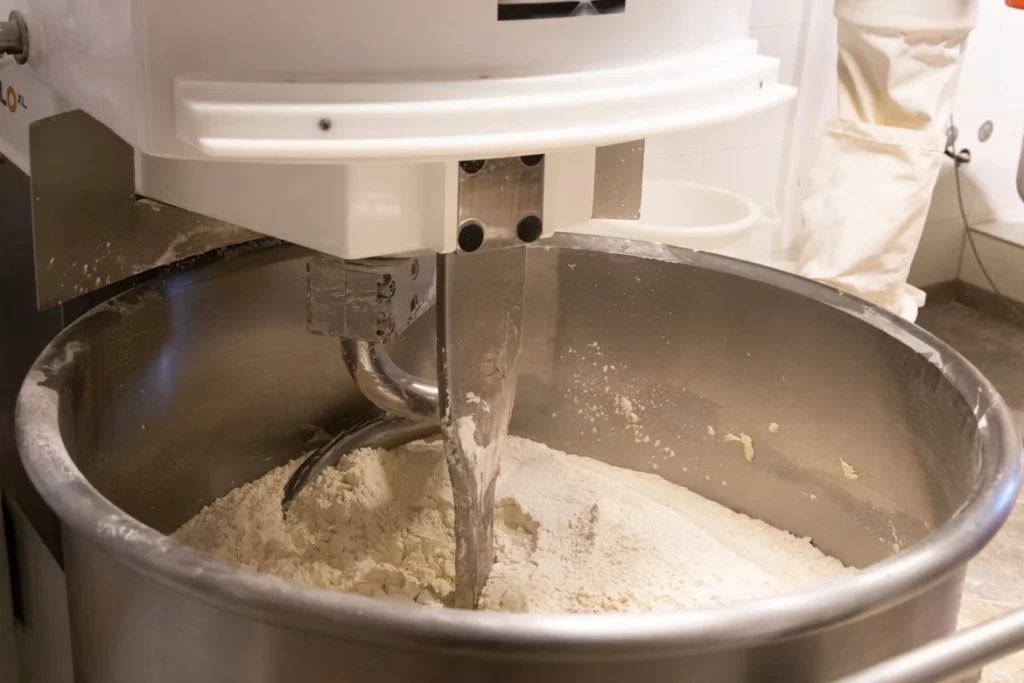
Spiral mixers use a rotating bowl and a spiral-shaped hook to knead dough. Their design supports the development of dough structure during mixing. It also helps manage friction and heat during longer kneading cycles. These characteristics make them useful for bread and pizza production. Commercial dough mixers with spiral mechanisms are particularly suitable for kitchens that prepare dough regularly. Their focused design supports repeatable kneading across batches. However, they are less flexible than planetary machines for tasks such as whipping cream or mixing cake batter. Businesses should consider their main production needs before choosing between these designs.Choosing the Right Capacity for Daily Production
Important Features That Affect Mixing Performance
Motor Power and Speed Settings
Motor power affects how a mixer handles different ingredients. Thick dough places more resistance on the mixing mechanism than light batter. A machine should have sufficient power for the recipes it will handle regularly. Buyers should review the manufacturer’s specifications instead of relying on motor wattage alone. Speed settings also influence the mixing process. Lower speeds help combine ingredients and begin kneading, while higher speeds suit certain whipping and mixing tasks. Not every recipe requires the same movement or intensity. Following the recommended speed for each attachment can support consistent preparation and reduce unnecessary strain.Attachments and Bowl Design
Attachments determine how a mixer handles different recipes. Planetary machines often include several tools for mixing, kneading, and whipping. Before purchasing, check which attachments come with the unit and whether additional tools are compatible. This prevents unexpected limitations during daily use. Bowl design affects ingredient loading and cleaning. Removable bowls can make it easier to transfer mixtures and wash equipment after preparation. Bowl guards and secure locking systems also support safer operation. Staff should know how to fit each attachment correctly before starting the machine.Matching Mixer Types to Different Food Businesses
Bakeries and Bread Production
Bakeries often prepare several dough varieties throughout the day. These may include sandwich bread, dinner rolls, sourdough, and specialty loaves. Each recipe has different mixing requirements. A spiral mixer can help bakeries maintain a consistent kneading process across suitable dough batches. For bakeries that also prepare cakes, pastries, and fillings, a planetary mixer can provide additional flexibility. The choice depends on how much of the daily workload involves dough. Some businesses may benefit from using both types of equipment. Separating heavy kneading from lighter mixing tasks can make production easier to organize.Pizzerias and Restaurant Kitchens
Pizza preparation requires dough with a suitable texture and structure. Mixing time, ingredient ratios, and kneading methods all influence the final result. Spiral mixers are commonly used in pizzerias because they are designed specifically for dough preparation. They can support regular production when the batch size matches the machine’s capacity. Restaurants have broader preparation requirements. Their menus may include sauces, mashed potatoes, batters, desserts, and selected dough recipes. Commercial food mixers with planetary mechanisms can handle many of these tasks using interchangeable attachments. This makes them useful for kitchens that need one machine for several preparation jobs.Catering and Institutional Food Services
Catering businesses often prepare food for different group sizes and events. Their production schedules can change depending on menus and customer requirements. A mixer with suitable capacity helps staff prepare ingredients in manageable batches. The machine should also fit the available workspace and power supply. Institutional kitchens, including cafeterias and food service facilities, may handle repeated preparation tasks throughout the day. Equipment selection should account for workload, operator access, and cleaning routines. A practical setup can reduce unnecessary movement between preparation stations. It also helps staff maintain a more predictable production schedule.How to Evaluate a Mixer Before Purchasing
Selecting a machine involves more than comparing its bowl size or motor specifications. Buyers should consider how the equipment will fit into existing kitchen operations. Reviewing a few important factors can help narrow the options.- Daily workload: Estimate how many batches the kitchen prepares during a normal shift.
- Recipe requirements: Identify whether the machine will handle bread dough, pizza dough, batter, cream, or several mixture types.
- Working capacity: Compare the manufacturer’s recommended batch limits with the kitchen’s actual recipes.
- Available space: Measure the installation area and leave enough room for loading, operation, and cleaning.
- Electrical requirements: Confirm that the kitchen’s power supply matches the machine’s specifications.
- Maintenance support: Check access to replacement parts, technical assistance, and service information.