
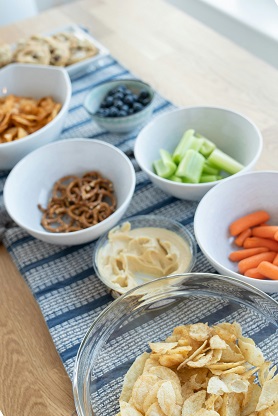
Healthy snacks for kids plays a pivotal role in the overall growth and development of children, particularly after a long day at school. As children transition from academic activities to home life, they often require nutritious snacks to replenish their energy and focus. These snacks can significantly impact their ability to concentrate on homework and engage in after-school activities.
Studies have shown that well-balanced snacks rich in essential nutrients contribute positively to children’s cognitive functions. For instance, snacks that include fruits, vegetables, whole grains, and healthy fats can enhance mood and improve cognitive performance. Research indicates that children who consume nutrient-dense foods tend to exhibit better concentration levels and overall enthusiasm towards learning. This is particularly essential after school when they may feel fatigued from their academic responsibilities.
Moreover, healthy snacks can help maintain energy levels, allowing children to remain active and engaged in various activities. Consuming snacks that are low in sugar and high in fiber can provide sustained energy release, reducing spikes and dips in blood sugar that often lead to irritability or lethargy. Additionally, providing nutritious options helps prevent excessive hunger that can lead to overeating during dinner. By incorporating healthy snacks into their routine, parents can teach children important lessons about nutrition and the value of making healthier choices.
In summary, the importance of healthy snacking cannot be overstated. It supports children’s growth, improves academic performance through better concentration, and helps regulate their appetite, ensuring they maintain a healthy lifestyle. Prioritizing nutritious snacks for kids after school can lay the groundwork for lifelong healthy eating habits.
Nutritious Snack Ideas for Kids
When it comes to providing healthy snacks for children after school, the options are vast and varied. It is essential to offer nutritious choices that are not only good for their health but also appealing to their taste buds. Fruits are an excellent snack choice, and options like apple slices, bananas, or berries provide essential vitamins and fiber. Pairing fruit with a small amount of nut butter can enhance its nutritional profile by adding healthy fats and proteins.
Vegetables should not be overlooked either; crunchy snacks such as carrot sticks, cucumber slices, or bell pepper strips can be accompanied by a delightful dip such as hummus or yogurt-based dressings. This not only increases vegetable consumption but also makes the eating experience enjoyable and interactive for kids.
Whole grains contribute significantly to a balanced diet; snacks like whole grain crackers or popcorn can be nutritious and satisfying. Providing these whole grain options allows children to consume important nutrients while enjoying a tasty treat. Combining whole grains with toppings like a sprinkle of cheese or a smear of avocado creates a delicious snack that children will love.
Incorporating protein-rich snacks is also vital for maintaining energy levels after a long day of school. Low-fat yogurt, string cheese, or hard-boiled eggs are excellent choices that support muscle development and provide lasting energy. Engaging children in the preparation of these snacks can also foster excitement. Encourage kids to create fun shapes with their fruits and vegetables or to assemble their own yogurt parfaits, allowing them to be a part of the process.
In summary, presenting a variety of healthy snack options after school can help children develop good eating habits. By emphasizing fruits, vegetables, whole grains, and protein-rich foods, parents can ensure that their children receive the necessary nutrients while enjoying delicious and enjoyable snacks.
Encouraging Healthy Snack Choices in Children
Encouraging children to select healthy snacks can be a fulfilling task for parents. By involving kids in the process of snack preparation, you can foster a sense of ownership and excitement around healthy eating. A simple approach is to allow children to assist in the selection of ingredients when making various snacks. For instance, introducing them to a variety of fruits and vegetables and letting them choose which ones to include in a smoothie can make the experience engaging. This involvement not only gives them a sense of control but also enhances their interest in the nutrition of the foods they consume.
Presentation plays a significant role in attracting children to healthy snacks. Transforming a mundane fruit into a fun snack can be as simple as creating fruit skewers or arranging vegetables into colorful shapes. When healthy foods are visually appealing, children are more likely to be interested. Using cookie cutters to shape fruit or veggies into fun designs may also entice children to try out new options. Creative presentation can turn an ordinary snack into an enticing treat that children are eager to try, thereby promoting their preference for healthier choices.
In addition, setting a positive snacking environment at home is crucial. Ensuring that healthy snacks are both visible and accessible encourages children to reach for nutritious options. Keeping a fruit bowl on the kitchen counter or placing pre-portioned fruits and nuts in snack bags can facilitate healthier choices. Furthermore, modeling healthy eating behaviors is essential for children; parents should show enthusiasm for healthy snacks themselves. By implementing these practices, families can create a sustainable routine around healthy snacking, making nutritious foods a preferred choice for children.
Quick and Easy Snack Preparation Tips
For parents looking to provide healthy snacks for their kids after school, efficient preparation plays a critical role. One of the best strategies to ensure healthy snacks for kids is to dedicate some time to meal preparation during the weekends. This can include washing and cutting vegetables like carrots and cucumbers, portioning out fruits such as berries or apple slices, and even making dip options, such as hummus or yogurt-based sauces, that can enhance the appeal of these snacks.
Emphasizing storage is crucial in maintaining the freshness and appeal of snacks. Invest in clear, airtight containers or snack bags to keep prepped fruits and vegetables fresh. Having these ready-to-eat snacks easily accessible encourages children to make healthier choices. For example, creating a vibrant “snack drawer” or a designated snack basket in the fridge can visually attract kids to fresh options, reducing the temptation for less healthy choices.
Furthermore, consider setting up a snack station in your home. This could be a shelf or cabinet dedicated to healthy snacks where kids can choose from a variety of options. Including items like whole grain crackers, trail mixes, or ready-to-eat fruit cups can make the selection process enjoyable for children. Additionally, involving kids in snack preparation can increase their willingness to choose healthier options, as they may feel a sense of ownership and curiosity about what they are eating.
Planning ahead not only minimizes weekday stress but also provides children with nutritious and appealing snacks after school. With a few simple strategies, parents can create an environment that promotes healthy snacking, turning post-school hours into a time for wholesome nourishment rather than unhealthy indulgence.