
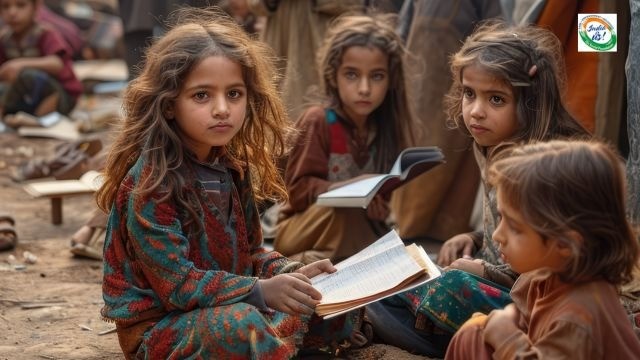
Education has the power to transform lives, but for many children in India, access to quality schooling is still shaped by where they are born. Economic hardship, social inequality, and limited resources often prevent children from reaching their full potential. While progress has been made over the years, there is still a significant gap between access to education and access to meaningful, high-quality learning experiences.
This is where the role of an India school charity becomes especially important. Organizations dedicated to long-term education do more than provide classrooms. They create opportunities, stability, and pathways that allow children to build entirely different futures from those they were born into.
One example of this approach can be seen through initiatives like India school charity programs that focus on comprehensive, long-term support. These programs are designed not only to educate children but to equip them with the tools needed to break cycles of poverty and create lasting change.
Addressing the Root Causes of Educational Inequality
In many underserved communities across India, children face multiple barriers to education. These challenges often go beyond school fees and include factors such as lack of infrastructure, limited access to trained teachers, and unstable home environments.
For children born into poverty, education is often interrupted by the need to support their families financially. In some cases, children may drop out of school entirely due to these pressures. Without intervention, this cycle can continue across generations.
India school charities focus on addressing these root causes. Rather than offering short-term solutions, they invest in long-term support systems that allow children to stay in school consistently and build a strong educational foundation.
Programs like those offered by Shanti Bhavan provide education from early childhood through high school and even into college, ensuring that children receive continuous guidance and support throughout their development.
The Importance of Long-Term Educational Support
One of the defining features of an effective school charity is its long-term commitment to each child. Education is not a one-time intervention. It is a journey that requires sustained effort, mentorship, and support.
Shanti Bhavan’s model, for example, provides up to 17 years of continuous support, starting from early childhood and extending into higher education and career placement (Great Nonprofits). This long-term approach ensures that students are not only educated but also prepared to navigate life beyond school.
Consistency plays a crucial role in student success. When children receive stable educational support over many years, they are more likely to develop confidence, resilience, and the skills needed to pursue meaningful opportunities.
Creating a Safe and Supportive Environment
For many children from disadvantaged backgrounds, stability is not always guaranteed. An effective India school charity recognizes that learning cannot happen in isolation from a child’s environment.
Residential school models, like the one used by Shanti Bhavan, provide a safe and structured setting where children can focus on their education without the disruptions they may face at home. These schools offer not only academic instruction but also housing, meals, healthcare, and emotional support.
This holistic approach ensures that children are cared for in every aspect of their lives. According to program descriptions, students receive comprehensive support that includes education, healthcare, nutrition, and mentorship, creating an environment where they can thrive.
Education That Goes Beyond Academics
A strong India school charity understands that education is about more than test scores. While academic achievement is important, true success comes from developing well-rounded individuals who are prepared for life beyond the classroom.
Programs often include extracurricular activities such as sports, arts, and leadership development. These experiences help students build confidence, creativity, and teamwork skills. They also provide opportunities for self-expression and personal growth.
In addition to academics, students are encouraged to develop critical thinking skills, communication abilities, and a sense of responsibility. These qualities are essential for navigating higher education, careers, and life challenges.
Breaking the Cycle of Poverty
One of the most powerful outcomes of education-focused charities is their ability to break cycles of poverty. Many children served by these programs come from families that have experienced financial hardship for generations.
When these children receive a high-quality education and go on to pursue higher education or professional careers, they create new opportunities not only for themselves but also for their families.
Graduates of long-term education programs often support their parents, help fund the education of younger siblings, and contribute to improving their communities. This ripple effect demonstrates how investing in one child can influence many lives.
Shanti Bhavan’s mission is built on this idea, focusing on helping children from marginalized communities achieve education and career success, ultimately uplifting their families and communities.
Building Future Leaders and Role Models
Education has the power to shape future leaders. Children who receive strong educational support often grow into individuals who contribute positively to society.
Many graduates of India school charity programs go on to become professionals in fields such as technology, healthcare, education, and business. These individuals not only improve their own lives but also serve as role models for others in their communities.
Their success stories inspire younger generations to pursue education and believe in their own potential. This cultural shift is an important part of long-term community development.
Strengthening Communities Through Education
The impact of education extends beyond individuals and families. Communities benefit when more children have access to quality education and opportunities.
Educated individuals contribute to local economies, improve public health awareness, and participate more actively in civic life. Over time, these contributions help create stronger and more resilient communities.
Education charities that focus on long-term development play a key role in fostering this kind of transformation. By investing in children today, they help build a foundation for sustainable progress in the future.
A Model for Lasting Change
What sets an effective India school charity apart is its commitment to long-term impact. Rather than focusing solely on immediate needs, these organizations invest in comprehensive solutions that address the full range of challenges children face.
This includes providing education, healthcare, mentorship, and opportunities for personal growth. It also involves maintaining strong relationships with students as they transition into higher education and careers.
Programs that take this approach demonstrate that meaningful change is possible when children are given the resources and support they need to succeed.
Looking Toward the Future
The future of education in India depends on continued efforts to expand access, improve quality, and address the underlying challenges that prevent children from reaching their potential.
India school charities play an essential role in this effort. By focusing on long-term, holistic support, they help create opportunities that can transform lives and communities.
Education is not just about learning facts or passing exams. It is about empowering children to build better futures for themselves and those around them. When children are given the chance to succeed, the impact can be felt for generations.
Through sustained commitment and thoughtful support, education-focused charities continue to show that real, lasting change is possible.