
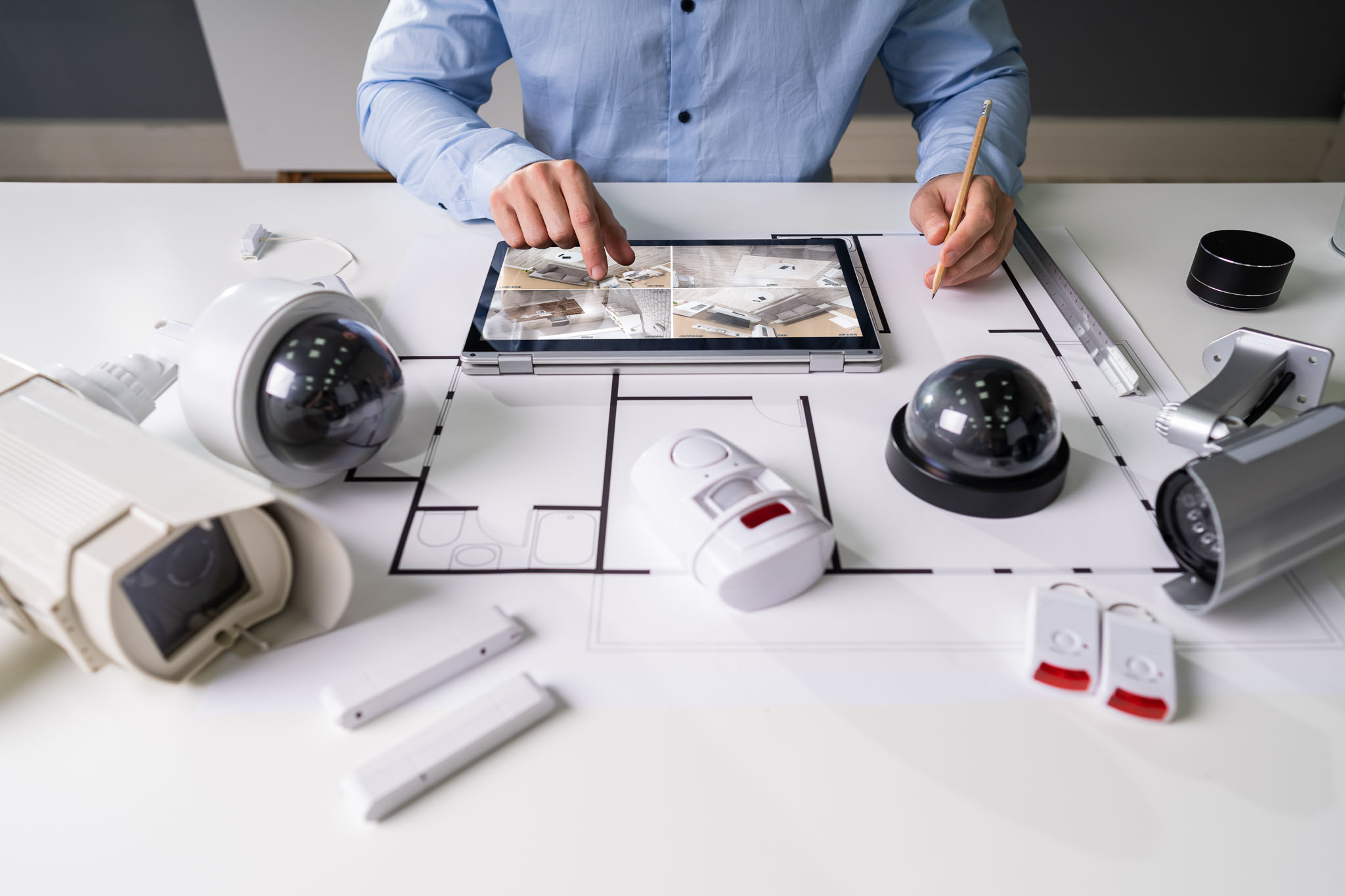
The Key Advantages of Commercial Security Systems
When you’re running a business, keeping things safe and sound is always a top priority. You’ve probably thought about security guards, maybe even just relying on a basic alarm system. But modern commercial security systems offer a whole lot more, and honestly, they’re a pretty smart move for most businesses. They’re not just about recording what happens; they’re about stopping bad stuff before it even starts.
Proactive Threat Detection With AI Analytics
Forget just reacting to alarms after the fact. Today’s systems use smart technology, like artificial intelligence, to actually spot trouble as it’s brewing. Think of it like having a security guard who can see someone casing the joint from a mile away. These AI tools can pick up on unusual patterns – maybe someone lingering too long in a restricted area, or a vehicle showing up at an odd hour. This early detection is a game-changer for preventing break-ins, vandalism, or other issues before they cause damage or loss. It means fewer false alarms too, so you’re not constantly getting calls about a squirrel setting off a sensor.
24/7 Real-Time Monitoring for Continuous Protection
Your business doesn’t just shut down at 5 PM, and neither does the risk. That’s where 24/7 real-time monitoring comes in. Instead of relying on a security guard who needs breaks and sleep, a professional monitoring center keeps an eye on your property around the clock. High-definition cameras stream live video, and trained operators are watching. If something looks off, they can investigate immediately, often before you even know there’s a problem. This constant vigilance means your business is protected even when you’re not there.
Cost Savings Compared to Traditional Security Staffing
Let’s talk numbers. Hiring and managing a full team of on-site security guards can get really expensive, really fast. You’ve got salaries, benefits, training, and the fact that one guard can only be in one place at a time. A well-designed electronic security system, with remote monitoring, can often provide more consistent and widespread coverage for a fraction of the cost. It’s about getting more bang for your buck, with technology working smarter, not just harder.
Comprehensive Incident Documentation and Verification
Sometimes, even with the best prevention, incidents happen. When they do, having clear, detailed records is super important. Modern systems don’t just record video; they document events with timestamps and provide verified evidence. This is invaluable for:
- Insurance Claims: Having proof of what happened can speed up and simplify the claims process.
- Law Enforcement Investigations: Accurate footage helps authorities identify suspects and understand the sequence of events.
- Internal Reviews: Understanding how an incident occurred can help you improve your security protocols going forward.
This detailed record-keeping moves beyond simple surveillance, turning your security system into a powerful tool for accountability and operational improvement. It provides a clear picture of events, helping to resolve disputes and support any necessary follow-up actions.
Tailoring Commercial Security Systems to Unique Business Environments
Every business is different, right? So why would your security system be a one-size-fits-all deal? It just wouldn’t make sense. That’s where tailoring comes in. We’re talking about making sure the cameras, the monitoring, and all the tech work specifically for your place, not just some generic template.
Customized Solutions for Single or Multi-Site Operations
Whether you’ve got one shop or a dozen spread across town, the security needs are going to shift. For a single location, you might focus on entrances, back rooms, and the main sales floor. But if you’re managing multiple sites, you need a system that can handle each one individually while still giving you a bird’s-eye view of everything. Think about it: a small boutique has different vulnerabilities than a large warehouse. The system needs to be flexible enough to cover all those bases without breaking the bank or becoming overly complicated.
Strategic Camera Placement for Maximum Coverage
This is a big one. Just sticking cameras up randomly isn’t going to cut it. You need to think about where the real risks are. That means looking at:
- Entry and Exit Points: Doors, loading docks, gates – these are obvious spots for unauthorized access.
- High-Value Areas: Where do you keep your most important inventory or equipment?
- Blind Spots: Are there corners or areas that are hard to see from a distance?
- Customer Traffic Flow: In retail, understanding movement can help spot suspicious behavior.
- Perimeter: Keeping an eye on the outside of your property can deter break-ins before they even start.
Getting this right means the system actually sees what it needs to see, when it needs to see it.
Integration With Existing Infrastructure and Upgrades
Maybe you already have some cameras or security measures in place. That’s great! A good security system shouldn’t force you to throw everything out. Often, new systems can work with what you’ve already got, upgrading it with smarter analytics and better monitoring. It’s like giving your old security setup a serious tech boost. This way, you can build on your existing investment rather than starting completely from scratch. It’s about making smart upgrades that fit your current setup and your budget.
The goal is to create a security net that’s as unique as your business. It’s not just about having cameras; it’s about having the right cameras, in the right places, connected to a system that actively works to protect your assets and people.
Increasing Safety and Minimizing Loss Across Industries
Commercial Security Systems for Retail Environments
Retail spaces, from small shops to large department stores, deal with a lot of people coming and going. This constant flow can make it tough to keep an eye on everything. Think about shoplifting, employee theft, or even just customers accidentally damaging displays. Traditional security guards can only be in so many places at once, and basic CCTV just records what happens, often too late to do much about it. That’s where modern commercial security systems really shine. They’re designed to spot trouble before it gets out of hand.
These systems use smart cameras and AI to look for unusual behavior. Maybe someone is lingering too long in a blind spot, or acting suspiciously near high-value items. When something like that is flagged, trained operators can step in. They might use two-way audio to warn the person directly, or alert your staff to check it out. This active approach can stop theft and vandalism right in its tracks.
Here’s a quick look at how these systems help retailers:
- Deterrence: Visible cameras and the knowledge that someone is watching can make potential thieves think twice.
- Early Detection: AI analytics spot suspicious patterns that might be missed by the human eye.
- Intervention: Live operators can communicate with individuals to de-escalate situations.
- Evidence: Recorded footage provides clear documentation for investigations or insurance claims.
The goal isn’t just to catch criminals after the fact, but to prevent incidents from happening in the first place. This proactive stance can significantly cut down on losses and create a safer shopping environment for everyone.
Protecting Industrial and Logistics Sites
Industrial and logistics sites are often large, with valuable equipment, materials, and inventory spread out over significant areas. These places can be targets for theft, vandalism, and unauthorized access, especially during off-hours or when operations are less active. The sheer size of these locations makes traditional security staffing difficult and expensive to implement effectively. You need eyes everywhere, all the time.
Advanced video surveillance systems are a game-changer here. They can cover vast perimeters, loading docks, storage yards, and sensitive equipment areas. AI analytics can detect unusual movement, like someone entering a restricted zone after hours or lingering near valuable assets. When a potential threat is identified, the system can alert on-site teams or even use audio warnings to deter intruders before they can cause damage or steal anything.
Consider the benefits for these types of sites:
- Perimeter Security: Monitoring fences, gates, and entry points to prevent unauthorized access.
- Asset Protection: Keeping a close watch on high-value inventory and equipment, both indoors and outdoors.
- Operational Safety: Identifying unsafe practices or conditions that could lead to accidents.
- After-Hours Protection: Providing continuous surveillance when the site is typically unattended.
For industrial and logistics operations, the ability to monitor large areas continuously and respond quickly to potential threats is key to minimizing loss and keeping operations running smoothly. It’s about having a constant, intelligent watch over your most important assets.
Securing Office Buildings and Multi-Tenant Facilities
Office buildings and places with multiple tenants have their own set of security needs. You’re not just protecting physical assets; you’re also concerned about the safety of employees and visitors, managing access to different areas, and preventing disruptions. Think about after-hours break-ins, vandalism in common areas, or unauthorized individuals gaining access to sensitive floors.
Modern security systems offer a flexible and effective way to address these concerns. Strategically placed cameras can monitor lobbies, hallways, parking garages, and entry points. AI analytics can help identify unusual activity, like someone trying to access a restricted floor or loitering in a less-trafficked area. When an alert is triggered, trained monitoring staff can verify the situation and take appropriate action, whether that’s notifying building management, security personnel, or even local authorities if necessary.
Key advantages for office environments include:
- Access Control: Monitoring entry and exit points to ensure only authorized individuals are present.
- Visitor Management: Providing a visual record of who is entering and leaving the premises.
- Incident Response: Quickly addressing issues like vandalism, unauthorized access, or disturbances.
- Deterrence: Visible security measures can discourage potential troublemakers.
In multi-tenant facilities, a robust security system provides peace of mind for both property managers and the businesses operating within. It helps maintain a professional and secure environment, reducing the risk of costly incidents and protecting the reputation of the building.
Critical Features That Set Modern Surveillance Apart
AI-Powered Analytics Versus Traditional CCTV
The main shift happening in commercial security is the move from passive camera systems to intelligent tools that “see” and understand real-world threats as they unfold. AI-powered analytics now allow systems to pick up on suspicious motion, loitering, or behaviors that typical cameras would miss or just record for later. This means the days of sifting through endless footage after an incident are ending. Now, operators can receive live alerts based on what’s truly worth noticing.
| Feature | Traditional CCTV | AI-Driven Surveillance |
| Records Events | Yes | Yes |
| Real-Time Threat Alerts | No | Yes |
| Automated Incident Tagging | No | Yes |
| False Alert Reduction | Low | High |
Two-Way Audio and Live Intervention Tools
Modern commercial security is not just about watching. It is about acting the moment something feels off. With two-way audio as part of today’s commercial security solutions, trained responders can speak directly to people on site, issue loud warnings, and help stop unwanted behavior before it escalates. Compared to silent cameras, this real-time response can make a major difference. Sometimes, hearing “You are being watched” is enough to send trespassers running.
Key Ways Live Audio Changes Security:
- Immediate voice deterrents for trespassers or vandals
- Directing lost visitors or diffusing situations without dispatching staff
- Fast escalation to local responders or management when needed
Being able to warn someone in real time, rather than watching helplessly from afar, often makes all the difference between a close call and a serious incident.
Scalable Security for Growing Business Needs
Business never stands still—and neither should your security setup. New sites, extra parking, or expanded hours all mean new risks. Modern surveillance systems are built to be as flexible as you need without demanding a big overhaul or costly new gear.
Here’s how scalable systems help:
- Add cameras, sensors, or monitoring coverage as business grows
- Tweak or expand AI analytics for new risk zones
- Central dashboard management across multiple sites or buildings
If you’re running a business that’s likely to grow or change, investing in scalable surveillance means you won’t get stuck with a system that no longer fits your needs.
The bottom line is that smart surveillance isn’t just about recording what happens—it’s about predicting, responding, and growing with your business. That’s what really sets today’s solutions apart from the old way security was done.
Optimizing Asset Protection and Reducing Liability Risks
When you’re running a business, protecting what you own is pretty important. We’re talking about everything from the equipment in your warehouse to the inventory on your shelves, and even the building itself. Traditional security might feel like enough, but it often just reacts after something bad happens. Modern commercial security systems, though, are designed to get ahead of problems. They actively work to prevent losses before they even start. This proactive approach not only keeps your assets safe but also cuts down on the headaches and costs that come with dealing with theft, vandalism, or unauthorized access.
Immediate Response to Incidents and Alarms
One of the biggest pluses of a smart security system is how fast it can react. Instead of waiting for someone to notice a problem or for a guard to patrol, these systems are always watching. When something unusual happens – like a door being forced open after hours or movement in a restricted area – the system flags it right away. Trained professionals at a monitoring center get an alert instantly. They can then see what’s going on through live video feeds. This means they can quickly decide if it’s a real threat and take action, like warning the person off with a two-way speaker or contacting the authorities. This speed is key to stopping damage before it gets serious.
Reducing Theft, Vandalism, and Unauthorized Access
Think about the costs associated with theft or vandalism. Replacing stolen goods, repairing damage, and dealing with the downtime can really add up. A good security system acts as a strong deterrent. Visible cameras often make potential troublemakers think twice. But it’s the active monitoring that really makes a difference. When suspicious activity is detected, the system can intervene. This might be a voice warning, or it could be alerting on-site staff or police. This immediate response can stop shoplifting in its tracks, prevent graffiti on your walls, or stop someone from breaking into your property. Over time, this can lead to significant savings.
Supporting Compliance and Insurance Documentation
Beyond just preventing crime, these systems create a detailed record of events. Every incident that triggers an alert is logged with a timestamp and recorded video. This is incredibly useful for a few reasons. For one, it helps you meet certain industry compliance standards that might require video evidence. More importantly, if you ever need to file an insurance claim after an incident, you’ll have clear, verifiable footage. This documentation can speed up the claims process and provide solid proof of what happened, potentially saving you money and hassle.
Having a system that not only records but actively monitors and intervenes can significantly lower your business’s exposure to risk. It’s about having a constant, intelligent watch over your property, day and night, which is hard to achieve with traditional methods alone.
Real-World Impact of Commercial Security Systems
Preventing Overnight Theft and Vandalism
Commercial properties can be targets for theft and vandalism, especially when they’re empty after business hours. Think about a retail store after closing, or an office building on a weekend. Without active security, these times are prime opportunities for break-ins or damage. Modern security systems, however, change the game. They act as a constant, vigilant presence, deterring potential wrongdoers before they even attempt to cause trouble. This isn’t just about recording what happened; it’s about stopping it before it starts. Imagine a scenario where a vehicle approaches a closed business late at night. An AI-powered system can detect this unusual activity, alert a monitoring center, and then, through two-way audio, a warning can be issued. This immediate, proactive response often sends intruders running, preventing damage and loss.
Enhancing Security for Unattended or Remote Locations
Many businesses have locations that aren’t always staffed, like storage yards, construction sites, or even remote office annexes. These places can be particularly vulnerable. Traditional security might involve infrequent patrols, which can leave significant gaps. With a smart commercial security system, you get continuous oversight. High-definition cameras cover key areas, and AI analytics can spot anything out of the ordinary – like someone trying to access a restricted area or dump waste illegally. This means you get alerts and can take action even when no one is physically present. It’s like having a security guard who never sleeps and can be everywhere at once.
Enabling Detailed Investigation With Recorded Events
Even with the best preventative measures, sometimes incidents still happen. That’s where the recording capabilities of commercial security systems become incredibly important. These systems don’t just record; they capture high-quality video with time stamps. This footage is invaluable for understanding exactly what occurred. It can help identify perpetrators, determine the extent of any damage or loss, and provide clear evidence for insurance claims or legal proceedings. Having this detailed record means you can conduct thorough investigations, learn from incidents, and improve your security strategy moving forward. It provides a factual account that can be crucial for resolving disputes and ensuring accountability.
Frequently Asked Questions
What is a commercial security system?
A commercial security system is a group of cameras, sensors, and alarms set up in a business to watch for and stop things like theft, break-ins, or vandalism. These systems often use smart technology to spot trouble before it happens.
How is modern video surveillance different from old CCTV systems?
Old CCTV systems just record video for later. Modern systems use smart cameras and live monitoring, so someone can watch what’s happening in real time and act fast if there’s a problem. Some systems even use AI to spot trouble and send alerts right away.
Can a commercial security system save my business money?
Yes, it can. With a good security system, you might not need as many security guards, which saves on staffing costs. Plus, by stopping theft or damage, you avoid losing money on stolen goods or repairs.
Can these systems be used in different types of businesses?
Absolutely. Commercial security systems can be set up for all kinds of places—like stores, warehouses, offices, and even buildings with lots of tenants. The system can be customized to fit each business’s needs.
Will a security system work with my current equipment?
Most modern security systems can connect with equipment you already have, like older cameras or alarms. Sometimes, you might need to add new parts or upgrade a few things to get the best results.
How does a security system help after an incident?
If something happens, like a break-in, the system records video and keeps a log of events. This makes it easier to see what happened, help police with their investigation, and give proof to insurance companies if you need to file a claim.