
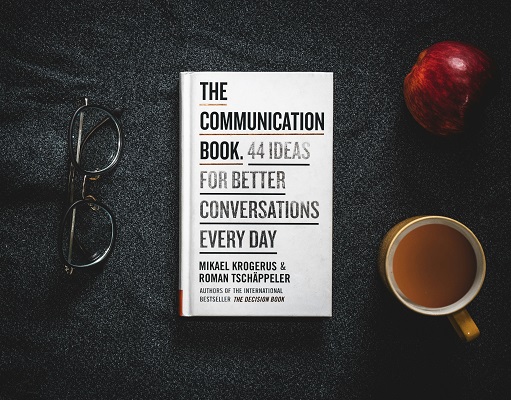
Effective communication is a fundamental process that enables individuals to convey thoughts, ideas, and emotions. It encompasses various forms, primarily categorized into verbal, non-verbal, written, and visual communication. Verbal communication involves the spoken or written words we use to transmit messages, while non-verbal communication encompasses body language, facial expressions, and gestures that can enhance or contradict what is said verbally. Written communication often includes emails, reports, and other textual forms that are essential in both academic and professional scenarios. Visual communication, on the other hand, employs visuals such as graphs, charts, or images to elucidate information and support comprehension. The significance of effective communication cannot be overstated, as it plays a crucial role in personal relationships and professional environments. In personal contexts, clear communication fosters understanding and strengthens connections between individuals. When people express their thoughts and feelings appropriately, it can prevent misunderstandings and resolve conflicts, thereby enhancing relationship satisfaction.
In professional settings, the ability to communicate effectively can strongly influence career advancement and success. Employers typically value employees who can articulate their ideas clearly and collaborate with teammates effectively. Strong communication skills can lead to improved teamwork, more productive meetings, and successful project outcomes. Furthermore, the ability to listen actively is a key component of effective communication that promotes a better understanding of teammates’ perspectives.
In summary, understanding the basics of communication and its various forms is critical for building effective interactions in both personal and professional domains. By honing these skills, individuals can positively impact their relationships and contribute to their career growth.
Identifying Your Communication Style
Effective communication is essential in both personal and professional settings, encompassing how individuals express themselves and interpret messages from others. Understanding your own communication style is a fundamental step towards improving your interactions. There are four primary communication styles: assertive, passive, aggressive, and passive-aggressive, each with distinct characteristics and implications.
Assertive communication is marked by a direct and honest approach. Individuals who possess this style express their thoughts and feelings openly while also respecting the rights and opinions of others. Practitioners of assertive communication typically exhibit high self-esteem, fostering a positive atmosphere where dialogue can thrive.
In contrast, passive communication is characterized by a lack of self-expression. Individuals may avoid asserting their needs or opinions, often leading to misunderstandings and resentment. Recognizing this style is crucial as it may hinder personal growth and fulfillment.
Aggressive communication involves expressing needs or opinions in a hostile or confrontational manner. This style can create tension and conflict, often alienating others and diminishing feelings of collaboration. Understanding this style helps individuals realize the impact of their approach and provides opportunities for change.
Lastly, the passive-aggressive style is a blend of passive and aggressive traits, where individuals may not express their feelings directly but instead display indirect resistance or avoidance. This can create confusion and hinder effective communication.
To identify your own communication style, consider reflecting on your interactions with others. Ask yourself how you express your needs and the reactions you observe. Understanding your style can lead to improved relationships and fulfill a vital role in enhancing your overall communication skills.
Active Listening Techniques
Active listening is an essential aspect of effective communication, as it fosters understanding and facilitates meaningful interactions between individuals. By embracing certain techniques, one can enhance their active listening capabilities and create a conducive environment for dialogue.
One fundamental technique is paraphrasing. This involves restating what the speaker has expressed in one’s own words. By doing so, the listener not only shows that they are paying attention but also provides an opportunity for clarification. Paraphrasing enables the speaker to feel valued and helps to ensure that the listener has accurately interpreted the message. For instance, if someone shares their concerns about a project at work, restating the essence of their thoughts can help validate their feelings and encourage a constructive exchange.
Additionally, asking open-ended questions is vital in active listening. These questions invite the speaker to elaborate on their thoughts and feelings, promoting a deeper exploration of the topic at hand. Open-ended questions, such as “Can you tell me more about your experience with this issue?” empower the speaker to share more details and can lead to richer discussions. This technique not only clarifies ambiguities but also demonstrates genuine interest in the speaker’s perspective.
Providing feedback is another integral technique of active listening. Feedback can be verbal or non-verbal, offering the speaker reassurance that their message is being acknowledged. Nodding, maintaining eye contact, and expressing affirmations, such as “I understand” or “That’s an interesting point,” reinforces the connection between the speaker and listener. This engagement enhances the overall experience, fostering trust and rapport in communication.
By employing active listening techniques like paraphrasing, asking open-ended questions, and providing feedback, individuals can significantly improve their communication skills. Listening actively encourages clearer understanding and builds stronger relationships.
Non-Verbal Communication Cues
Non-verbal communication plays a crucial role in conveying messages and can significantly influence interpersonal interactions. Body language, facial expressions, and eye contact are all integral components of this form of communication. These cues can either complement or contradict the verbal message being delivered, thereby impacting the overall message’s clarity and effectiveness.
Body language encompasses a range of physical behaviors, including gestures, posture, and movements. For instance, open and relaxed body posture often indicates receptiveness and confidence, whereas crossed arms can suggest defensiveness or discomfort. Understanding and interpreting these signals can help individuals communicate more effectively, as being aware of one’s own body language can prevent mixed messages that create confusion during conversations.
Facial expressions are another vital aspect of non-verbal communication. They convey emotions such as happiness, sadness, anger, or surprise, often more powerfully than words alone. A warm smile can foster a sense of connection and trust, while a frown may indicate displeasure or disagreement. By being mindful of facial expressions, individuals can ensure that their emotional state aligns with their verbal communications, enhancing mutual understanding.
Eye contact also plays an essential role in communication. It demonstrates attentiveness and engagement while fostering a sense of respect between conversation participants. However, the amount and nature of eye contact can vary significantly based on cultural norms. For example, in some cultures, prolonged eye contact can be seen as confrontational, while in others, it is regarded as a sign of sincerity. Being cognizant of these differences is important for effective cross-cultural communication.
In summary, mastering non-verbal communication cues can greatly enhance one’s overall communication skills. By paying close attention to body language, facial expressions, and eye contact, individuals can convey their intentions more clearly and effectively, minimizing the risk of misunderstandings in interactions.
Improving Your Verbal Communication Skills
Verbal communication is a fundamental aspect of effective interaction, encompassing not only what you say but how you say it. To enhance your verbal communication skills, clarity in speech is crucial. Speaking clearly involves articulating words distinctly and ensuring that your message is easily understood. This can be practiced by reading aloud, focusing on enunciation, and adjusting your pace to foster better comprehension among your listeners.
Moreover, the choice of vocabulary plays a significant role in verbal communication. Using appropriate words that resonate with your audience can elevate the quality of your conversations. It is advisable to broaden your vocabulary regularly by engaging with diverse reading materials and actively incorporating new words into your discussions. Striking a balance between sophisticated vocabulary and simplicity is key; overcomplicating your language can lead to confusion.
Another critical aspect is tone and modulation. The tone of your voice conveys emotions and intentions, significantly impacting how your message is received. Practicing variations in tone can help convey enthusiasm, seriousness, or empathy during different conversations. Modulation is equally important, as varying your pitch and volume can maintain the listener’s interest and emphasize key points. To enhance this skill, consider recording your speech and analyzing how your tone and modulation affect the overall delivery.
To support the development of these skills, practical exercises, such as engaging in public speaking, participating in discussions, or joining communication workshops, can be immensely beneficial. Regular practice not only reinforces the techniques learned but also builds confidence in verbal exchanges, fostering better relationships in both personal and professional settings. By committing to these strategies, you can significantly improve your verbal communication abilities, leading to more effective interactions.
Mastering Written Communication
Effective written communication is a vital skill in both professional and personal contexts. Achieving clarity in your writing begins with understanding your audience and tailoring your message accordingly. Consider the context in which you are writing; for example, structuring your emails or reports requires a different approach compared to informal messages. Starting with a clear subject line and maintaining a logical flow throughout the text can significantly enhance readability.
Conciseness is key when crafting written communication. Readers are often inundated with information, so it is essential to express your ideas succinctly. Avoid unnecessary jargon and be straightforward in your language. Use simple sentences and remove any redundant phrases to improve overall engagement and understanding. Precision in word choice will further strengthen your message and ensure that your key points resonate with the audience.
Proofreading is an indispensable part of the writing process. Typos, grammatical errors, and awkward phrasing can detract from your credibility and obscure your intended message. Allocating time to review your writing allows you to spot and correct errors, ensuring that your texts reflect a high standard of professionalism. Using tools for grammar checks can be beneficial, but they should be complemented by manual revisions to catch subtleties that automated tools may overlook.
Additionally, adapting your writing style according to the context is crucial for effective communication. Whether you are drafting a formal report, crafting a business email, or engaging with colleagues on collaborative platforms, recognizing the appropriate tone and format engrains respect and clarity into your communication. Overall, mastering these elements will enhance your written communication skills and foster more effective interactions.
Overcoming Communication Barriers
Effective communication is crucial in establishing strong relationships and achieving professional success. However, numerous barriers can hinder this process. Among these barriers, language differences, cultural misunderstandings, and emotional blocks are most common. Addressing these issues head-on is essential for fostering better interactions in diverse environments.
Language differences can create significant obstacles in communication. When individuals do not share a common language, misunderstandings are likely to arise. To overcome this barrier, it is essential to use clear and simple language when conveying messages. Utilizing visual aids, such as charts or infographics, can also enhance understanding. Additionally, learning basic phrases in another person’s language can facilitate more comfortable interactions and demonstrate respect for their culture.
Cultural misunderstandings often stem from varying norms, values, and communication styles. For instance, what may be considered polite in one culture might be perceived as rude in another. To navigate these complexities, it is vital to develop cultural awareness and sensitivity. This can be achieved by actively seeking to learn about different cultures and adapting communication styles accordingly. Engaging in open discussions about cultural norms can also help mitigate potential misunderstandings and promote mutual respect.
Emotional blocks, such as fear, anxiety, or low self-esteem, can significantly impede effective communication. These feelings can prevent individuals from expressing themselves openly or actively listening to others. To address emotional barriers, individuals should practice self-awareness and self-regulation. Techniques such as mindfulness and stress management can help alleviate anxiety and foster a more confident approach to communication. Additionally, seeking feedback from trusted peers can provide valuable insights and encourage individuals to assert themselves more effectively.
By understanding and addressing these communication barriers, individuals can improve their ability to connect with others, leading to more productive personal and professional relationships.
The Role of Empathy in Communication
Empathy plays a crucial role in effective communication by allowing individuals to connect with one another on a deeper level. This capacity to understand and share the feelings of others can significantly enhance interactions, fostering a more supportive and trusting environment. When people practice empathy, they are not merely hearing the words spoken; rather, they are comprehending the emotions that accompany those words. This deeper understanding often leads to more meaningful conversations.
Developing empathy requires active listening, a skill that involves giving full attention to the speaker while also being receptive to their emotional state. By acknowledging the other person’s feelings and perspectives, communicators can respond thoughtfully and appropriately, which can help to prevent misunderstandings. When individuals feel heard and valued, they are more likely to engage openly in conversation, contributing to a more fruitful dialogue.
Furthermore, when one cultivates empathy in communication, it paves the way for conflict resolution. By recognizing and validating the emotions of others, individuals can diffuse tension and create opportunities for collaborative problem-solving. This is particularly important in settings where differing viewpoints are prevalent, as empathetic communication encourages respect and understanding, thereby enabling constructive debates and discussions.
In both personal and professional contexts, fostering empathy can enhance relationships and improve overall communication effectiveness. Leaders who demonstrate empathy are often more successful in motivating their teams, as they can relate to their employees’ experiences and aspirations. Ultimately, by embracing empathy as a fundamental component of communication, individuals can improve their interactions and create a more inclusive environment.
Continuing to Develop Your Communication Skills
Communication, much like any other skill, is not static; it can be developed and refined over time. This dynamic process starts with acknowledging that there is always room for improvement, regardless of one’s current proficiency level. Embracing the journey of enhancing communication abilities can lead to both personal and professional benefits.
To foster growth in this area, individuals are encouraged to engage actively with various resources. Workshops focused on communication techniques often provide practical skills and scenarios for participants to practice. These interactive sessions can also offer valuable peer feedback, which is essential for recognizing one’s strengths and areas needing improvement.
Additionally, reading books dedicated to communication strategies can deepen understanding. For example, literature that explores topics such as non-verbal cues, active listening, and persuasive speaking can provide insights that are applicable in multiple contexts. Practical exercises suggested in these resources can facilitate the conceptual understanding necessary for effective application in real-world situations.
Engaging in regular practice scenarios is another effective method to enhance communication skills. Role-playing different situations enables individuals to refine their verbal and non-verbal communication methods. Through simulated interactions, one can experiment with various communication styles and observe the impact on listeners.
Importantly, self-reflection and soliciting constructive feedback from trusted peers are key components of this developmental journey. Reflecting on past interactions helps identify patterns and areas where improvements can be made. Gathering feedback fosters a growth mindset and can provide insights that one might overlook during self-assessment.
Overall, by continuously seeking knowledge and practicing communication skills, individuals can effectively enhance their capability to convey messages clearly and confidently, ultimately leading to more meaningful interactions.