
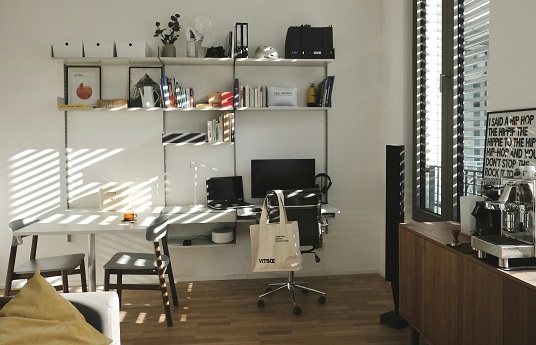
In recent years, the concept of a home office tips has gained significant traction, particularly as more individuals transition to remote work. Creating a comfortable home office is essential for enhancing productivity and overall well-being. An inviting workspace can greatly influence focus levels and emotional health, providing an environment where individuals can thrive professionally while maintaining a sense of personal comfort. The shift towards remote work has prompted many people to reevaluate their workspaces. Unlike traditional office environments, which are often designed with standard furniture and layouts, a home office offers the unique opportunity to customize one’s surroundings. A comfortable home office is not merely a desk and chair; it encompasses a thoughtful arrangement of elements that contribute to both functionality and comfort. This includes ergonomic furniture that supports good posture, adequate lighting to reduce eye strain, and personalized decor that inspires creativity.
Furthermore, an inviting workspace can aid in reducing stress levels. When individuals feel comfortable in their home office, they are more likely to remain engaged in their tasks and less prone to distractions. A harmonious environment, characterized by elements such as plants, artwork, and personal touches, can create a calming atmosphere that fosters concentration and reduces anxiety associated with work. In essence, a well-designed home office serves not only as a space for achieving professional objectives but also as a sanctuary where individuals can find balance and peace.
Choosing the Right Location
When establishing a comfortable home office, selecting the right location within your residence is paramount. The chosen spot should optimize both productivity and comfort, catering to your work habits while mitigating distractions. One critical factor to consider is natural light. An area that benefits from ample sunlight can enhance mood and improve focus, making it conducive to a productive work environment. Therefore, positioning your desk near a window can be advantageous; however, be mindful of reflections on your computer screen and consider using shades or curtains where necessary.
Equally important is evaluating the noise levels in potential locations. A quiet environment allows for concentration, whereas interruptions from household activities or external sounds can be detrimental to workflow. Ideally, choose a room that can be closed off from the rest of the house, reducing ambient noise and allowing for a more focused atmosphere. If the home office is located in a high-traffic area, consider soundproofing solutions such as rugs, curtains, or acoustic panels to minimize disruptions.
Another consideration is the proximity to distractions. It is essential to separate your workspace from personal or recreational areas to create a boundary between work and home life. This separation can help signal to your brain that it is time for work, thus enhancing your overall productivity. A dedicated home office, away from leisure spaces, provides a professional ambiance, making it easier to maintain focus during working hours. Furthermore, it helps to establish a routine, reinforcing that work is to be taken seriously.
In conclusion, carefully selecting the location for your home office by considering factors such as natural light, noise levels, and potential distractions will foster a more productive and enjoyable work environment. A well-thought-out workspace can significantly contribute to achieving your professional goals while allowing for a healthy balance between work and personal life.
Essential Furniture for Comfort
Creating a comfortable home office begins with selecting the right furniture, as it directly influences productivity and overall well-being. An ergonomic chair is often the centerpiece of an efficient workspace. These chairs are specifically designed to support the natural curve of the spine, promoting good posture and minimizing discomfort during long hours of work. Look for chairs with adjustable height, lumbar support, and armrests, allowing customization to fit your individual body shape and preferences. This personalization ensures that your chair aligns with your unique work style and height.
Equally important is the choice of desk in a home office environment. A desk that complements your ergonomic chair can enhance comfort and make daily tasks feel less strenuous. Adjustable desks, often referred to as sit-stand desks, have gained popularity for their ability to accommodate various working positions. These desks allow you to shift from sitting to standing, which can enhance circulation and reduce the health risks associated with prolonged sitting.
When selecting furniture, consider the layout of your workspace and the physical dimensions of the furniture. Ensure there is enough room for movement and that items within reach are conveniently organized. An ideal workspace should encourage fluid transitions between tasks while keeping essentials like monitors and keyboards at a comfortable height. Additionally, incorporating storage solutions such as shelving units or filing cabinets can help maintain an organized environment, minimizing distractions.
Ultimately, investing in ergonomic furniture like adjustable chairs and desks is crucial for establishing a comfortable home office. These specific choices will not only enhance your physical comfort during work hours but will also contribute positively to your productivity and mental well-being, leading to a more satisfying work from home experience.
Optimizing Lighting and Color Schemes
Creating a comfortable home office environment requires careful consideration of both lighting and color schemes, as these elements significantly influence mood and productivity. Natural light is particularly beneficial; it not only enhances visibility but also has been shown to improve overall well-being and alertness. To maximize natural light, position your desk near windows that allow ample daylight to enter. Additionally, utilizing sheer curtains can help diffuse harsh sunlight while still brightening the space.
In instances where natural light is limited, strategic use of artificial lighting becomes essential. Employ a combination of ambient lighting, such as ceiling fixtures, and task lighting, like desk lamps, to create a well-lit workspace. It is advisable to select lighting that mimics daylight, as this type of lighting can reduce eye strain and fatigue, thereby enhancing productivity during long working hours. Moreover, adjustable lighting options can help tailor the brightness to your activity, fostering an inviting atmosphere.
The psychological impact of color schemes in a home office cannot be understated. Calming colors, such as soft blues and greens, can create a tranquil environment conducive to concentration and creativity. These colors are known to evoke feelings of calm and relaxation, which can help in reducing stress levels during hectic work periods. In contrast, warmer tones like yellows and oranges can stimulate energy and enthusiasm; however, these should be used sparingly to avoid overwhelming the senses.
Incorporating neutrals as a base color while adding highlights of brighter or cooler shades can create a balanced and harmonious environment. This approach not only promotes focus but also serves as a visually appealing backdrop that fosters creativity and productivity. Therefore, thoughtfully integrating lighting and color schemes in your home office can vastly improve your work experience.
Incorporating Technology and Tools
Creating a comfortable home office necessitates the integration of effective technology and tools that enhance productivity while maintaining an inviting atmosphere. The foundation of any efficient office setup begins with selecting the right computer. Invest in a high-performance desktop or laptop that meets your needs, whether for general tasks, graphic design, or programming. Ensure that it is equipped with ample memory and storage to run necessary applications smoothly.
A reliable printer is another essential component of your home office configuration. A multifunction printer that can also scan and copy can significantly streamline your workflow, minimizing the need for outside printing services. Additionally, consider incorporating tools such as cloud storage solutions to help organize and access documents efficiently. This not only aids in decluttering your digital workspace but also enhances collaboration if you’re working with a team.
In terms of office supplies, staples such as notebooks, pens, and post-it notes play a crucial role in aiding workflow organization. Opt for ergonomic office supplies, such as a comfortable chair and adjustable desk, to promote a healthy posture, reducing the risk of strain during extended work hours. Furthermore, adding a few organizational tools like file folders, trays, and label makers can assist in keeping your workspace tidy and promote an environment conducive to concentration.
Finally, don’t underestimate the value of software tools designed to boost productivity. Task management applications, calendar schedulers, and communication platforms can help streamline tasks, keep deadlines in check, and enhance overall efficiency. By carefully selecting and integrating these technological elements into your workspace, you can create a functional and comfortable home office that encourages productivity and comfort.
Personalizing Your Workspace
Creating a comfortable home office begins with personalizing your workspace in a way that reflects your unique style. Personalization not only enhances the aesthetic appeal of your office but also contributes to a more enjoyable and motivating atmosphere conducive to productivity and creativity.
One effective way to personalize your home office is by incorporating decorations that speak to your personality, such as artwork or photographs. Art can be a powerful source of inspiration; it has the ability to uplift your mood and stimulate creativity. Choose pieces that resonate with you—whether they are vibrant paintings, calming landscapes, or even abstract designs. This will help in establishing a positive environment where you feel both at ease and motivated.
Additionally, introducing plants into your workspace can significantly enhance the ambiance of your home office. Green plants not only purify the air but also add a touch of nature that promotes well-being. Studies have shown that incorporating greenery into your workspace can help reduce stress levels and improve focus. Consider low-maintenance plants such as succulents or snake plants if you prefer minimal care, or opt for more vibrant options like pothos or peace lilies if you have a green thumb.
Furthermore, integrating personal items such as mementos, books, or favorite quotes can also contribute to a comforting home office space. These items serve as reminders of your interests and accomplishments, creating an inviting environment that feels uniquely yours. When surrounded by objects that spark joy, you will find it easier to concentrate and stay motivated throughout your workday.
Incorporating these elements of personalization into your workspace enhances not just its aesthetic value but also its functionality. This approach transforms an ordinary office into a space that fosters creativity and comfort, ultimately leading to increased productivity and satisfaction with your work environment.
Creating an Organized Environment
Establishing an organized environment in a home office tips is crucial for enhancing productivity and reducing stress. A clutter-free workspace allows individuals to concentrate on tasks without the distraction of disarray. Organization not only fosters efficiency but also contributes to a professional atmosphere, which can positively influence one’s work ethic and overall mental well-being.
One of the primary strategies for creating an organized home office is decluttering. Begin by assessing items that are necessary for daily tasks and those that can be removed. This includes sorting through stationery, documents, and digital files. Implementing a regular decluttering schedule—perhaps at the end of each week—can help in maintaining a tidy space and prevent the accumulation of unnecessary items.
Utilizing effective storage solutions is another vital aspect of organization. Consider the use of shelves, filing cabinets, and desktop organizers to allocate a designated space for every item. Vertical storage options are especially effective for smaller areas, as they maximize space while keeping essentials readily accessible. Additionally, employing labeled boxes or folders can simplify locating documents and supplies when needed.
Lastly, maintaining an orderly workspace requires a commitment to a systematic approach. Develop a habit of returning items to their designated spots after use and regularly reviewing organizational methods to ensure they continue to meet individual needs. Incorporating technology, such as digital task management apps, can also aid in keeping track of ongoing projects and deadlines, thereby promoting an organized mindset.
In essence, an organized home office is pivotal for optimizing focus and reducing stress levels. By implementing decluttering strategies, utilizing appropriate storage solutions, and committing to ongoing organization, individuals can create a conducive working environment that supports their professional endeavors.
Establishing Boundaries and Routine
As remote work becomes increasingly prevalent, establishing boundaries and routines is essential for maintaining both productivity and personal well-being. When working from home, it can be challenging to separate work responsibilities from personal activities, leading to possible burnout. To create a comfortable home office environment, it is vital to set clear boundaries that define work hours and personal time.
One effective approach to establishing boundaries is to designate a specific workspace within the home. This area should be solely dedicated to work-related tasks, free from distractions typically found in personal spaces. By physically separating these environments, individuals can psychologically reinforce the transition between work and leisure. Additionally, communicating these boundaries to others in the household—by informing family or roommates of work hours—can further minimize disruptions and distractions.
Creating a consistent work routine is another critical element in fostering productivity. Start by setting specific working hours and adhere to them as closely as possible. This helps create a rhythm and signals to both yourself and those around you when you are available for work and when you are not. Incorporating regular breaks throughout the day can enhance focus and maintain motivation. Utilizing techniques such as the Pomodoro technique, which involves working for a set period followed by a short break, can also be beneficial.
Moreover, it is crucial to allow flexibility within this routine to accommodate unforeseen events or personal responsibilities. Striving for a healthy work-life balance will ensure that both productivity and personal satisfaction are achieved in a home office setting. Ultimately, being disciplined in establishing boundaries and routines promotes a more structured approach to remote work, leading to overall enhanced productivity and mental well-being.
Conclusion and Final Tips
Creating a comfortable home office tips is essential for fostering productivity and promoting well-being in a remote work environment. Throughout this blog post, we have explored various aspects involved in setting up a workspace that not only accommodates your professional needs but also enhances your comfort.
To summarize, it is crucial to invest in ergonomic furniture, as it significantly contributes to your physical health and efficiency. Optimizing your workspace layout can lead to better organization, reducing distractions and improving focus. Furthermore, adding personal touches, such as artwork or plants, can create an inviting atmosphere that makes the space feel more enjoyable and less sterile.
Lighting plays a pivotal role in your workspace. Natural light should be maximized when possible, while artificial lighting should be chosen to reduce eye strain and improve mood. Additionally, integrating technology such as dual monitors or noise-canceling headphones can enhance your productivity levels, allowing for a seamless working experience.
It is beneficial to establish boundaries, ensuring you allocate specific times for work and for breaks. Taking regular pauses and maintaining a work-life balance are crucial for sustaining motivation and preventing burnout. Lastly, staying organized with tools and apps that fit your workflow can streamline tasks and enhance overall efficiency.
As you embark on creating your home office, remember that even small adjustments can lead to significant improvements in your work environment. Take deliberate steps to re-evaluate your setup, introduce comfort, and cultivate an atmosphere conducive to productivity. By focusing on these elements, you can transform your home office into a space that not only meets your professional needs but also nurtures your personal well-being.