
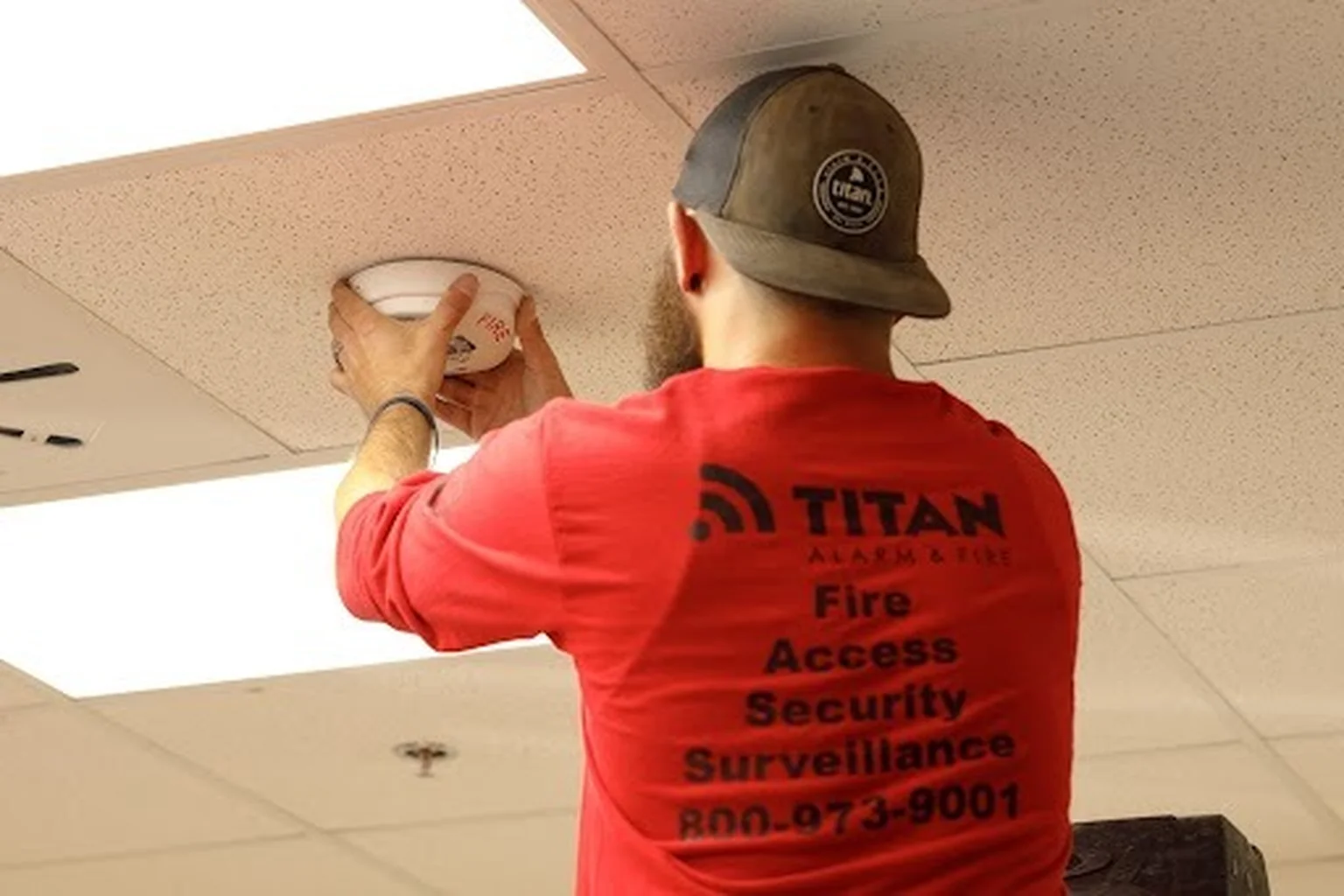
Every business relies on properly working Fire Alarms to catch danger early, but many owners assume the system is doing its job until the day it fails. Fire alarm failures rarely happen because the equipment is bad. They happen because of small, overlooked mistakes that build up over time. Whether you run a warehouse, retail store, or office building, understanding these common errors can be the difference between a minor inspection note and a devastating loss.
Here are 10 mistakes businesses make with their fire alarm systems — and how to avoid them.
1. Skipping Routine Testing
Many businesses install a system and assume it will work forever without checks. Fire alarms need monthly and annual testing to confirm sensors, panels, and notification devices are functioning correctly. Skipping this step means problems go unnoticed until it’s too late.
2. Ignoring Manufacturer Maintenance Schedules
Every fire alarm system has a maintenance timeline set by the manufacturer. Businesses that ignore these schedules risk component failure, false alarms, or complete system shutdowns during an actual emergency.
3. Poor Placement of Detectors
Smoke and heat detectors placed too close to vents, kitchens, or high-humidity areas often trigger false alarms — or worse, fail to detect real smoke because airflow pushes it away from the sensor. Correct placement based on room layout and airflow patterns is essential.
4. Outdated Fire Alarm Panels
Older control panels may not meet current fire codes or communicate properly with newer detection devices. An outdated panel can create blind spots in your building’s fire detection coverage, leaving certain zones unmonitored.
5. No Integration With Monitoring Services
A fire alarm that only sounds locally doesn’t help if no one is on-site to hear it. Systems should be tied to 24/7 monitoring services that automatically alert the fire department, reducing response time significantly.
6. Dead or Weak Batteries
Backup batteries keep your system running during power outages. Businesses often forget these need replacement on a set cycle. A dead battery during a blackout means your entire fire alarm system is offline exactly when you need it most.
7. Untrained Staff
Even the most advanced fire alarm system is only as effective as the people who respond to it. Employees who don’t know evacuation routes, panel resets, or how to respond to different alarm signals put everyone at greater risk during an emergency.
8. DIY Installations and Repairs
Fire alarm systems must comply with local and national fire codes. DIY installations or repairs by unlicensed technicians often miss code requirements, void warranties, and, most importantly — fail when they’re needed most. Professional installation and service ensure your system is compliant, reliable, and properly calibrated.
9. Failing to Update Systems After Renovations
When businesses expand, remodel, or change floor layouts, they often forget to update their fire alarm coverage accordingly. New rooms, walls, or storage areas may end up outside the detection zone, creating dangerous gaps in protection.
10. Overlooking Local Fire Code Compliance
City and state fire codes change annually (or even more frequently) Fire codes, such as NFPA, are adjusted year to year; a fire system that was satisfactory 5 years prior may be to outdated to pass the latest requirements. Fire system failure and related penalties (fines, inspections, failed equipment use) can all trace back to an outdated or non-compliant system.
Why These Mistakes Matter
Fire alarm failures aren’t just about property damage. They put employees, customers, and your entire operation at risk. A single overlooked detail, a dead battery, a misplaced sensor, an outdated panel — can mean the difference between an alarm sounding early enough to evacuate safely or a fire spreading undetected.
Investing in properly maintained, code-compliant Fire Alarms is one of the simplest ways to protect your business from these risks. Regular inspections, professional installation, and staff training all work together to keep your fire detection system reliable when it matters most.
Protect Your Business the Right Way
Avoiding these ten mistakes starts with working alongside a trusted fire safety provider who understands local codes, proper system design, and ongoing maintenance requirements. Titan Alarm & Fire specializes in helping businesses stay protected with dependable fire alarm systems, expert installation, and reliable monitoring services.
Don’t wait for an inspection failure — or worse, an actual emergency- to find out your system has gaps. A proactive approach to fire alarm maintenance today can prevent costly consequences tomorrow.