
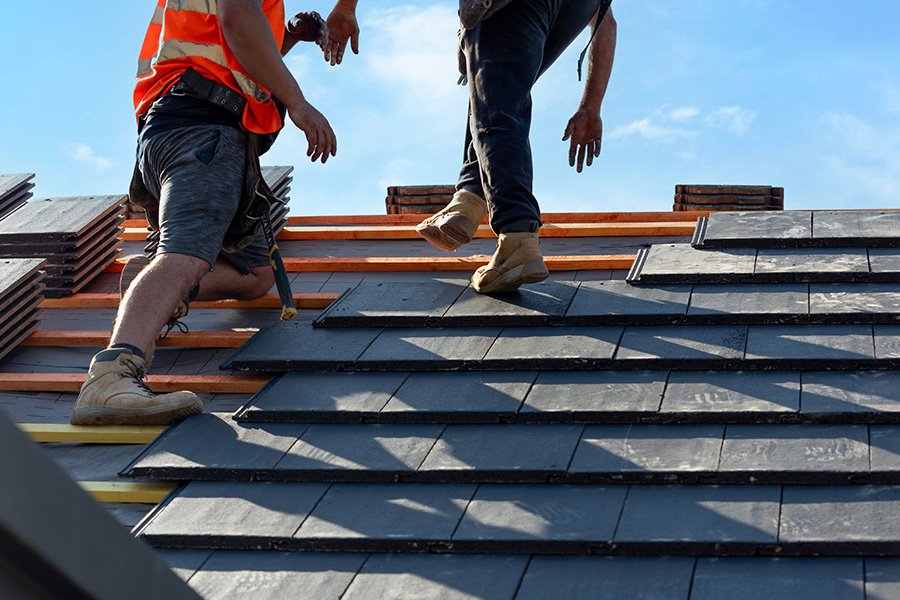
Choosing the right roofing company is an important decision for any homeowner or business owner. A roof protects the property from rain, wind, sunlight, storms, and changing temperatures, so poor workmanship or unsuitable materials can create expensive problems later. Whether you need a minor repair, regular maintenance, storm restoration, or a complete roof replacement, selecting a dependable contractor can make the entire process easier.
With many roofing companies available, it can be difficult to know which one is the right choice. Looking beyond the lowest estimate and evaluating experience, reputation, insurance, communication, materials, warranties, and project details can help you make a more informed decision. Visit website for more details
Understand Your Roofing Needs
Before contacting contractors, determine why you need roofing services. You may have noticed a leak, missing shingles, damaged flashing, or visible deterioration. In other cases, you may simply want an inspection or maintenance service.
Common roofing services include:
- Roof inspections
- Leak repairs
- Shingle replacement
- Storm damage repairs
- Roof maintenance
- Roof replacement
- New roof installation
- Commercial roofing
- Gutter and drainage services
Understanding your needs can help you ask more relevant questions when speaking with potential contractors.
Start With a Professional Inspection
If you’re unsure about the condition of your roof, arrange an inspection before making major decisions. A professional roofing contractor can evaluate visible materials and important components of the roofing system.
An inspection may identify:
- Damaged or missing shingles
- Cracked flashing
- Water intrusion
- Sagging areas
- Poor ventilation
- Damaged decking
- Gutter problems
- Aging materials
A reliable roofing company should explain its findings clearly rather than automatically recommending the most expensive option.
Check Experience
Experience is one of the most important factors when choosing a roofing contractor. Roofing systems involve numerous details, and contractors with relevant experience are more likely to understand different materials, roof designs, installation requirements, and common problems.
Ask how long the company has been operating and whether it has experience with projects similar to yours.
For example, residential shingle replacement and commercial flat-roof installation can require very different knowledge and equipment.
Verify Licensing and Insurance
Depending on your location, roofing contractors may need specific licenses or registrations. Requirements vary, so homeowners should understand the rules applicable to their area.
Insurance is also important. Ask whether the contractor maintains appropriate coverage for workers and property-related risks.
Don’t hesitate to request documentation where appropriate. A professional company should be comfortable discussing its credentials.
Read Reviews and References
Online reviews can provide useful information about a contractor’s communication, punctuality, workmanship, and customer service.
However, don’t rely on reviews alone. If possible, ask for references from previous customers or examples of completed projects.
When speaking with references, consider asking:
- Was the project completed on time?
- Was communication clear?
- Were unexpected issues explained?
- Was the work area cleaned afterward?
- Did the final cost match the agreement?
- Would you hire the contractor again?
This can provide valuable insight into the company’s working style.
Compare Multiple Roofing Estimates
Getting estimates from several contractors can help you understand the typical cost of your project.
However, comparing roofing estimates isn’t simply about choosing the lowest number.
Look at:
- Materials
- Labor
- Removal
- Disposal
- Underlayment
- Flashing
- Ventilation
- Cleanup
- Warranty coverage
Two contractors may provide very different prices because they are proposing different materials or scopes of work.
Ask for a Written Estimate
A written estimate should clearly describe the proposed project.
It may include:
- Project scope
- Roofing materials
- Labor costs
- Estimated timeline
- Payment schedule
- Removal and disposal
- Cleanup
- Warranty details
Having these details in writing helps reduce misunderstandings.
Be cautious if a contractor is unwilling to provide basic project information in writing.
Discuss Roofing Materials
A reliable roofing company should be able to explain the available material options.
Depending on the property, choices may include:
- Asphalt shingles
- Metal roofing
- Tile
- Slate
- Synthetic roofing
- Flat roofing membranes
Each option has different characteristics related to appearance, cost, maintenance, weight, durability, and installation requirements.
The right material should suit the property’s structure, local conditions, and budget.
Consider Workmanship
The quality of installation can have a major impact on roof performance. Even premium materials may not perform as expected if installed incorrectly.
Ask contractors about their installation practices and whether they follow applicable manufacturer requirements.
Important details include:
- Flashing
- Fastening
- Underlayment
- Roof edges
- Ventilation
- Drainage
- Sealing
A thorough approach to these details can help support long-term performance.
Ask About Warranties
Roofing warranties can vary considerably. Some cover materials, while others address workmanship.
Before signing an agreement, ask:
- What does the material warranty cover?
- Is workmanship covered?
- How long does coverage last?
- Are there exclusions?
- Who handles warranty claims?
Understanding warranty terms beforehand can prevent confusion later.
Evaluate Communication
Good communication is often an overlooked part of a successful roofing project.
A dependable contractor should respond to questions, explain changes, and provide updates throughout the project.
Pay attention to how the company communicates during the estimate process. If it is difficult to get answers before the contract is signed, communication may become even more challenging once work begins.
Avoid High-Pressure Sales Tactics
Be cautious if a contractor pressures you to sign immediately or claims that a major problem must be addressed without providing a clear explanation.
A professional roofing company should give you enough information to evaluate your options.
Take time to review estimates, warranties, contracts, and material choices before making a decision.
Understand the Contract
Before work begins, carefully review the contract.
It should clearly explain:
- Scope of work
- Materials
- Price
- Payment terms
- Project schedule
- Warranty information
- Cleanup responsibilities
- Change-order procedures
Ask questions about anything you don’t understand.
Ask About Cleanup
Roofing projects can create substantial amounts of debris. Shingles, packaging, nails, old underlayment, and other materials may need to be removed.
Ask the contractor how cleanup and disposal will be handled.
A professional roofing company should have a clear process for leaving the property in an appropriate condition after the work is completed.
Consider Local Experience
Local roofing companies may have useful knowledge of regional weather conditions, common roofing materials, and local building practices.
This can be particularly valuable in areas where roofs regularly experience heavy rain, strong winds, extreme heat, snow, or other challenging conditions.
Local experience can also make communication and follow-up more convenient.
Don’t Ignore Maintenance
Choosing a reliable contractor isn’t only about completing one project. Regular maintenance can help protect your investment after installation.
Maintenance may include:
- Periodic inspections
- Gutter cleaning
- Debris removal
- Flashing checks
- Ventilation inspections
- Drainage checks
Addressing small issues early may help prevent more extensive damage.
Watch for Red Flags
Certain warning signs deserve additional attention when comparing contractors.
Be cautious if a company:
- Refuses to provide a written estimate
- Avoids questions about insurance
- Demands unusual payment arrangements
- Uses aggressive sales tactics
- Provides vague project details
- Offers an unusually low estimate without explanation
- Cannot provide relevant references
These signs don’t automatically prove that a contractor is unreliable, but they justify further investigation.
Make the Final Decision
After comparing contractors, consider the complete value of each proposal.
Look at:
- Experience
- Reputation
- Materials
- Workmanship
- Insurance
- Warranty
- Communication
- Price
- Project scope
The cheapest estimate may not provide the best long-term value. A slightly higher investment in quality materials and professional workmanship may be worthwhile when it improves durability and reduces future maintenance concerns.
Conclusion
Choosing a reliable Roofing Company requires more than comparing prices. Homeowners and property managers should evaluate experience, credentials, insurance, reputation, materials, warranties, communication, and the details of the proposed work.
Start with a professional inspection, obtain multiple written estimates, ask questions, and carefully review the contract before work begins. A trustworthy roofing contractor should be willing to explain the project clearly and provide realistic information about materials, costs, timelines, and maintenance.
With careful research and the right professional team, you can invest in a roofing system that provides dependable protection and supports the long-term condition and value of your property.