
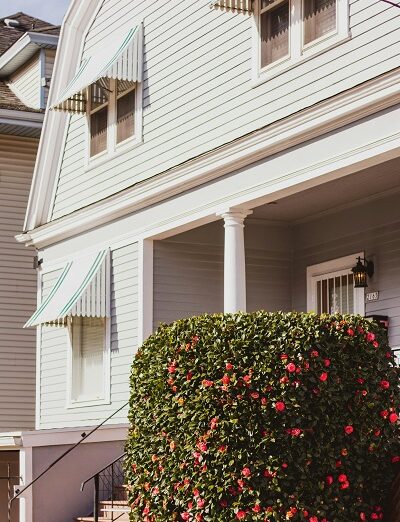
Regular home maintenance is a fundamental aspect every homeowner must prioritize to ensure the longevity and functionality of their property. Neglecting routine upkeep can lead to a cascade of issues that not only diminish the quality of living but also significantly impact property value. Home maintenance is not just an optional task; it is a crucial investment in the safety and welfare of residents. One of the primary benefits of consistent home maintenance is the enhancement of safety. Regular inspections and prompt repairs can prevent hazardous situations such as electrical failures, plumbing leaks, and structural damage. For instance, a simple roof inspection could reveal signs of wear that, if left unaddressed, might lead to leaking, mold growth, or even dangerous structural failure. Addressing these issues proactively not only safeguards the inhabitants but also avoids potentially costly legal liabilities.
Moreover, maintaining your home can lead to improved energy efficiency. Systems such as heating, ventilation, and air conditioning (HVAC) require regular servicing to function effectively. A well-maintained HVAC system can reduce energy consumption, which not only lowers utility bills but also contributes to environmental sustainability. Homeowners who invest time in maintenance often notice a marked difference in their energy expenses after addressing common inefficiencies, such as dirty filters or poorly insulated ducts.
Additionally, regular maintenance guards against expensive repairs in the future. For example, a small crack in a foundation can be relatively inexpensive to fix. However, if overlooked, it could develop into a major structural issue that necessitates extensive repair work costing thousands of dollars. Taking time to conduct routine inspections can mitigate such risks, saving homeowners substantial amounts in the long run.
In essence, understanding the importance of home maintenance is about recognizing the intrinsic value of a safe, efficient, and well-preserved living environment. The commitment to regular upkeep assures homeowners not only the protection of their investment but also a higher quality of life.
Seasonal Maintenance Checklist
Maintaining a home requires attention throughout the year, and a seasonal maintenance checklist is an effective way to ensure that all essential tasks are addressed in a timely manner. Each season presents unique challenges, and homeowners should prioritize specific tasks accordingly.
Spring: As the weather warms, it is crucial to prepare your home for the upcoming summer. Begin by inspecting your roof for any signs of damage caused by winter storms. Clear out gutters to ensure proper water flow and prevent mold accumulation. It’s also an ideal time to service your HVAC system; replace filters and schedule a professional cleaning if necessary. Additionally, engage in landscaping tasks like planting new flowers and trimming back overgrown shrubs.
Summer: The summer heat can strain your home systems. Check the HVAC system’s performance and ensure that the exterior paint is intact to protect against heat and moisture damage. Inspect driveways and walkways for cracks, and seal them to prevent further deterioration. Furthermore, maintain your pool by cleaning and checking for chemical balance, if applicable.
Fall: As temperatures drop, it’s time to prepare for winter. Rake leaves from the yard and cover or store outdoor furniture. Inspect and clean the chimney and fireplace to ready them for use, and drain hoses and outdoor faucets to prevent freezing. Consider scheduling a furnace inspection to ensure your heating system operates efficiently through the colder months.
Winter: During winter, focus on indoor maintenance. Replace any worn weather stripping around windows and doors to enhance insulation. Periodically check for ice dams on the roof and melting snow near your foundation. Ensure that smoke and carbon monoxide detectors are functional by testing their batteries. Lastly, keep pathways clear of snow and ice to maintain safety.
By diligently following this seasonal maintenance checklist, homeowners can safeguard their properties, improving both their longevity and comfort throughout the year.
Exterior Home Maintenance Tips
Maintaining the exterior of your home is crucial for both aesthetic appeal and structural integrity. One of the primary aspects of exterior maintenance is ensuring the siding is in good condition. Inspect the siding regularly for signs of damage or wear, such as cracks, discoloration, or mold growth. Regular cleaning can prevent buildup and prolong the life of the materials used. Depending on the siding type, pressure washing or gentle scrubbing may be appropriate.
Windows and doors also require careful attention. Check for any cracks or gaps in seals, as these can lead to energy loss and water infiltration. Regularly clean the glass and inspect the frames for signs of rot or decay. Ensure all locks and mechanisms are functioning correctly to enhance security.
Your roof is another essential element requiring routine inspections. Look for missing or damaged shingles, and pay attention to areas around vents and chimneys that can be prone to leaks. It is advisable to schedule professional roof inspections annually, especially after severe weather, to catch any potential issues early.
Outdoor living spaces, such as decks and patios, benefit from regular upkeep as well. Cleaning surfaces, applying sealants, and checking for stability or signs of weather-related damage can ensure these areas remain safe and enjoyable.
Landscaping is not just about aesthetic appeal; maintaining a healthy garden can prevent pest infestations that may enter your home. Trim overgrown plants, clear away debris, and apply mulch to suppress weeds. Be proactive about pest control by utilizing natural deterrents and regularly inspecting your property for any signs of infestations.
Interior Maintenance Essentials
Regular interior maintenance is vital for sustaining the functionality and aesthetics of one’s home. Homeowners are encouraged to perform systematic inspections and upkeep of essential systems such as plumbing, electrical systems, and appliances. By proactively addressing these areas, potential hazards can be mitigated, and the lifespan of these systems can be extended.
Conducting routine checks on plumbing is crucial. Homeowners should inspect for leaks under sinks and along visible pipes. Water stains on walls or ceilings might indicate hidden leaks that require immediate attention. Additionally, ensuring that drainages are clear of blockages helps to prevent overflow and unwanted odors.
Attention to electrical systems is equally important. Homeowners should routinely test smoke detectors and carbon monoxide alarms to ensure they are operational. The inspection of electrical cords for wear and tear is vital to prevent fire hazards. It’s also wise to consult a qualified electrician for any unusual fluctuations in power or frequently blown fuses.
Moreover, proper maintenance of household appliances can lead to enhanced usability. Cleaning refrigerator coils, descaling the dishwasher, and replacing the air filters in HVAC systems can lead to greater efficiency and longevity. Homeowners should also follow the manufacturer’s guidelines for regular maintenance schedules.
Neglecting surfaces can lead to unsightly deterioration. Regular dusting, vacuuming, and cleaning of floors, walls, and countertops help in preserving these elements. Moreover, addressing common indoor issues, such as moisture control, is essential. Utilizing exhaust fans in areas prone to humidity can reduce mold growth and improve air quality. Ensuring adequate ventilation throughout the home will help maintain a comfortable living environment.
The Importance of Regular Inspections
Regular inspections are an essential part of effective home maintenance, often serving as the backbone of a homeowner’s preventative strategy. Such inspections can be conducted independently or with the assistance of professional services, both of which offer merits that contribute to the longevity and safety of a home. The benefits of regular inspections cannot be understated, as they help identify areas that might otherwise be overlooked, potentially leading to more significant issues down the line.
Commonly neglected areas during regular observations include attics, basements, and roofs, which are prone to wear and tear. Inspections can unveil early warning signs such as water stains on ceilings, cracks in walls, and mold growth. These indicators often signal underlying problems which, if left unaddressed, can escalate into costly repairs. Furthermore, inspecting ventilation systems and electrical wiring regularly ensures that vital home systems run efficiently and adhere to safety standards.
The frequency of these inspections may vary depending on several factors, including the age of the home, local climate conditions, and previous maintenance history. As a general guideline, homeowners should aim for an interior and exterior inspection at least bi-annually, with additional checks after severe weather incidents. Employing professionals for comprehensive inspections every few years can also provide deeper insights into potential issues, ensuring that no detail is missed.
Ultimately, regular inspections not only enhance the home’s safety and efficiency but also foster a sense of assurance for homeowners regarding their living environment. Investing time and energy into routine evaluation safeguards the investment and promotes a healthier living space for all occupants.
Energy Efficiency Maintenance Tips
Maintaining energy efficiency in the home is essential not only for reducing utility bills but also for contributing to environmental sustainability. Homeowners can undertake several practices to ensure their residences operate efficiently. One of the crucial aspects is regular maintenance of the heating, ventilation, and air conditioning (HVAC) systems. Scheduled inspections and filter replacements enhance airflow and improve the system’s overall efficiency, preventing unnecessary energy consumption.
Furthermore, insulating your home effectively is vital for energy conservation. Homeowners should periodically check insulation levels in attics, walls, and basements to ensure they are adequate. Proper insulation minimizes heat transfer, resulting in less reliance on heating systems during winter and cooling systems during summer. Furthermore, investing in quality insulation materials can yield significant long-term savings on energy costs.
Sealing drafts is another effective strategy for maintaining energy efficiency. Homeowners should routinely inspect windows and doors for gaps where air might escape or enter. By utilizing weather stripping or caulking, it’s possible to significantly reduce air leaks, leading to a more consistent indoor temperature and lower energy use. Choosing energy-efficient windows can also make a considerable difference in heating and cooling costs.
Additionally, optimizing window usage can enhance natural light and reduce reliance on artificial lighting. Homeowners should consider installing shades or blinds that can be opened during the day to allow sunlight to warm the space naturally. The correct placement of windows can also facilitate cross-ventilation, allowing fresh air to circulate effectively.
Incorporating these energy efficiency maintenance tips contributes to cost savings and promotes a sustainable living environment. By prioritizing these practices, homeowners can play their part in conserving energy and benefiting from a more efficient home.
DIY vs. Professional Help: When to Call the Experts
Homeownership comes with a myriad of responsibilities, one of which is regular maintenance. Many homeowners grapple with the decision of whether to tackle home maintenance tasks themselves or hire professionals. Balancing DIY efforts and understanding when to call in the experts is crucial to ensuring the longevity and functionality of your home.
There are several home maintenance tasks that are both safe and feasible for homeowners to perform. Routine chores such as changing air filters, cleaning gutters, and painting small sections can typically be managed by individuals with basic tools and skills. In addition, gardening and landscaping tasks like mowing the lawn and planting flowers are ideal for DIY enthusiasts. By taking on these activities, homeowners can save money and develop a sense of accomplishment that often accompanies hands-on care.
However, certain maintenance tasks should be left to professionals due to their complexity and potential risks. Plumbing issues such as repairing main water lines or tackling significant leaks often require specialized tools and knowledge. Similarly, electrical work involving wiring, circuit boards, or fixtures should be performed by licensed electricians to ensure safety and adherence to local codes. Additionally, structural issues, such as roof repairs or foundation problems, necessitate expert evaluation and services to prevent further damage and ensure compliance with safety standards.
To avoid costly errors that could arise from improper handling of intricate tasks, it is imperative for homeowners to assess their own skills and resources accurately. When in doubt, reaching out for professional assistance can save time, reduce stress, and ultimately protect one’s investment in their home. Striking the right balance between DIY efforts and professional help can lead to effective home maintenance and a well-functioning living space.
Budgeting for Home Maintenance
Effective budgeting for home maintenance is essential for every homeowner, as it ensures that your property remains in good condition while also providing financial stability. The first step in this process is to prioritize maintenance tasks based on their urgency and potential impact on your home. Evaluate each task and identify which ones are critical, such as roof repairs or plumbing issues, and which can wait. This will help you create a clear action plan and allocate financial resources accordingly.
When estimating costs for both DIY projects and professional services, it is crucial to research and gather information. For DIY projects, consider the cost of materials and tools needed to complete the tasks. Meanwhile, for professional services, obtain quotes from multiple contractors to ensure you are getting the best value for your money. By comparing different professionals, you can find a service that meets your budget while still delivering quality results.
Creating a maintenance fund is a proactive strategy for budgeting home maintenance. Set aside a specific amount of money each month dedicated to this fund, which can accumulate over time. Experts often recommend saving 1% to 3% of your home’s value annually, depending on factors such as the age of the home and the local climate. This fund will help cover both expected and unexpected repair costs, providing you peace of mind.
It is also vital to remain financially prepared for unexpected repairs, as these can arise at any time. Regularly review your budget and adjust it according to your home’s needs. Staying committed to these budgeting practices will not only enhance the longevity of your home but also safeguard your financial health over time.
Creating a Personalized Home Maintenance Plan
Establishing a personalized home maintenance plan is essential for every homeowner aiming to protect their investment and ensure the longevity of their property. By following a systematic approach, homeowners can effectively manage their maintenance tasks, reducing the likelihood of unexpected repairs.
The first step in creating a personalized home maintenance plan involves assessing your home. Conduct a thorough inspection of both the interior and exterior areas, identifying specific components that may require attention. This includes checking the roof, HVAC systems, plumbing, and electrical systems. Taking detailed notes during the assessment is crucial as it will serve as the foundation for your maintenance plan.
Next, compile a comprehensive list of maintenance tasks based on your assessment. Categorize these tasks by frequency—such as monthly, quarterly, bi-annually, and annually. This categorization helps in organizing your responsibilities and ensures that no essential tasks are overlooked. For example, changing air filters should occur monthly, while gutter cleaning might be a semi-annual task. By delineating these tasks, you create clear expectations for ongoing home maintenance.
Setting timelines for each task is also paramount. By scheduling these tasks into your calendar, you create a reliable reminder system that encourages adherence to your maintenance routine. Whether you utilize a digital calendar or a physical planner, regular reminders foster a proactive approach, preventing maintenance issues from escalating into costly repairs.
Finally, accountability plays a vital role in the successful implementation of your home maintenance plan. Consider assigning specific tasks to family members or hiring professionals for specialized tasks. By doing so, you ensure that everyone takes ownership of their responsibilities, making it easier to maintain a safe and efficient home environment.