
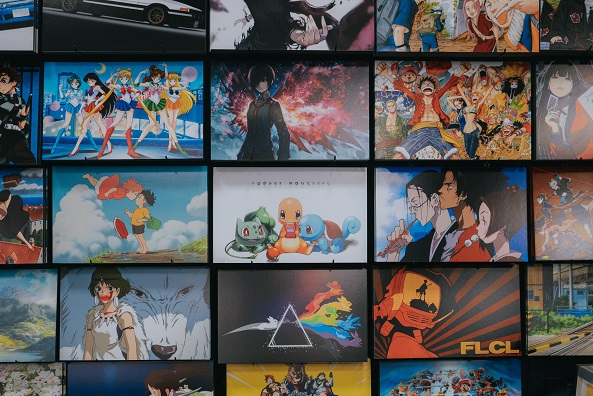
Cultural significance of anime, a uniquely Japanese art form, has its roots deeply embedded in the country’s rich cultural heritage. Emerging as an artistic medium in the early 20th century, anime has evolved from hand-drawn animations into a vibrant global phenomenon. Its development mirrors significant historical events in Japan, reflecting changes in society, technology, and art conventions. At its core, anime draws heavily from traditional Japanese art forms, including ukiyo-e (woodblock prints), calligraphy, and folklore. These influences manifest vividly in the aesthetics of anime, where character design, background art, and storytelling often reveal traits associated with Japanese culture. The use of vibrant colors, detailed backdrops, and elaborate character expressions lend a distinctive flavor to anime, making it instantly recognizable and appealing to audiences worldwide.
Folklore plays a crucial role in shaping the narratives within anime. Many series and films incorporate elements from Shinto and Buddhist traditions, historical events, or mythical creatures, which resonate with domestic viewers familiar with such themes. Importantly, these cultural touchpoints are often woven into universal narratives of growth, conflict, and friendship, allowing international audiences to connect with them on multiple levels.
Moreover, the themes presented in anime often delve into pertinent social issues such as identity, mental health, family ties, and personal ambition. The relatability of these themes transcends cultural boundaries, enabling stories to resonate globally while maintaining their localized charm. With this blend of familiarity and uniqueness, anime serves not only as a form of entertainment but as a cultural bridge, fostering greater understanding and appreciation for Japanese culture around the world.
Diverse Genres and Storytelling
Anime encompasses a broad spectrum of genres, which contributes to its widespread appeal among diverse age groups and interests. Genres such as shonen (targeted primarily at young males), shojo (aimed at young females), josei (focused on adult women), and seinen (for adult males) reflect this diversity. Beyond these categories, anime also includes genres like supernatural, horror, romance, and slice-of-life, each offering distinct narratives and visual styles. This vast array allows viewers to find series that resonate with their personal experiences and tastes, thereby enhancing its global popularity.
In addition to genre variety, anime is renowned for its compelling storytelling. Many series tackle complex themes such as friendship, love, ambition, and existentialism, often with a depth that encourages thoughtful engagement. For instance, works like “Attack on Titan” not only offer thrilling action but also delve into moral dilemmas and societal issues, urging viewers to question their values and beliefs. Similarly, romantic dramas like “Your Lie in April” explore emotional wounds and personal growth, making them deeply relatable.
This capacity to convey intricate narratives is particularly relevant in a global context. Anime creators often draw upon cultural elements that resonate universally while still maintaining their unique identity. As a result, stories that incorporate universal emotions such as love, loss, and resilience appeal to audiences regardless of cultural background. Moreover, the artistic techniques employed in anime, from detailed character designs to stunning backgrounds, enhance the storytelling experience, making it visually captivating.
Overall, the combination of diverse genres and sophisticated storytelling contributes to anime’s status as a form of entertainment that transcends cultural barriers. By offering engaging narratives that reflect a multitude of perspectives and experiences, anime continues to attract a dedicated global audience, ensuring its place in the world of entertainment.
The Role of Fandom and Community
The anime fandom is a vibrant and multifaceted community that has contributed significantly to the popularity of this form of entertainment across the globe. Engaging with anime involves much more than passive viewing; fans actively participate in a myriad of activities that foster a sense of belonging and shared experiences. Conventions are one of the most notable aspects of this culture, offering fans an opportunity to convene, meet creators, attend panels, and engage in discussions about their favorite series. These events, which occur worldwide, celebrate not only the animated shows themselves but also the broader cultural phenomena surrounding them.
Online forums and social media platforms have revolutionized the way fans engage with anime content. Platforms such as Reddit, Twitter, and dedicated anime websites enable users to discuss episodes, share theories, and critique developments in their favorite shows. This constant dialogue nurtures a sense of community, as fans can connect over shared interests and support one another in their passion for anime. The accessibility of these platforms has led to a democratization of voice within the fandom, where every opinion is valued and every contribution is welcomed.
Cosplay, or dressing up as characters from anime, is another vital aspect of the anime community. It serves as a creative outlet for fans to express their admiration for characters and the narratives they represent. Through cosplay, fans engage in craftsmanship and performance, often showcasing their work at conventions or online. Furthermore, fan art and original content created by enthusiasts further enriches the anime landscape, allowing for innovation and reinterpretation of beloved characters and stories. Together, these activities strengthen the bonds within the community while also extending the reach of anime to new audiences, reinforcing its global appeal.
In recent years, the global accessibility of anime has been significantly enhanced by the rise of streaming services, which has fundamentally transformed how audiences engage with this unique form of entertainment. Platforms such as Crunchyroll, Funimation, Netflix, and Hulu have collectively broadened the reach of anime by offering extensive libraries of both new and classic series. This surge in content availability, alongside localized versions in the form of subtitles and dubbing, has allowed fans from different linguistic backgrounds to enjoy anime without barriers.
The introduction of streaming services has not only made anime readily available but has also catalyzed a renaissance in its popularity worldwide. Audiences from diverse regions are now able to access genres that excite their interests, ranging from action-packed shounen to the more introspective shoujo narratives. Moreover, these platforms often curate anime based on user preferences and viewing history, facilitating personalized recommendations that further engage global viewers. This targeted approach has been instrumental in introducing new audiences to anime and sustaining viewership.
Additionally, the convenience of streaming allows users to watch anime at their own pace, which differs from traditional broadcast methods. With the option for binge-watching entire series, viewers are less likely to miss episodes, allowing them to immerse themselves fully in storylines and character arcs. This adaptability aligns with modern consumption patterns and has contributed to the establishment of a dedicated anime community across social media platforms, where fans share recommendations and engage in discussions.
Overall, the accessibility provided by streaming services has played a pivotal role in the growth of anime’s popularity on a global scale. By transcending geographical and linguistic barriers, these platforms have successfully fostered a communal atmosphere for fans and have made anime an integral part of contemporary entertainment consumption.
The Influence of Technology and Animation Quality
The exponential growth in animation technology has significantly enhanced the visual appeal of anime, drawing global audiences and expanding its fanbase. In recent years, advancements in 3D animation and computer-generated imagery (CGI) have transformed traditional hand-drawn techniques, introducing a dynamic and immersive experience for viewers. These innovations enable creators to produce visually stunning sequences that capture intricate details and movements, making scenes more engaging and lifelike.
One of the most pivotal breakthroughs is the integration of CGI into anime production. This technique allows for more complex backgrounds, fluid character animations, and elaborate action sequences that were previously difficult to achieve through traditional methods alone. Notable anime such as “Attack on Titan” and “Demon Slayer” exemplify this evolution, showcasing breathtaking visuals that elevate storytelling and captivate audiences. The seamless blend of traditional art styles with modern technology demonstrates the versatility of anime and its ability to adapt to contemporary viewing preferences.
High-quality character design is another crucial aspect that influences the perception of anime. Studios now invest considerable resources in character development, ensuring that designs are not only aesthetically appealing but also well-defined in terms of personality and emotion. As a result, audiences become more attached to characters, fostering loyalty and engagement. This meticulous attention to detail resonates particularly well with new viewers, who may be initially drawn to the superficial beauty of the art, while existing fans appreciate the depth and evolution of their favorite characters.
Overall, the fusion of advanced technology and superior animation quality has played a significant role in the globalization of anime, solidifying its status as a cultural phenomenon that appeals to diverse audiences across the world.
Cultural Exchange and Globalization
Anime has emerged as a significant conduit for cultural exchange between Japan and the rest of the world. This medium, originally rooted within Japanese cultural narratives, has expanded its reach far beyond its borders, introducing audiences to the rich tapestry of Japanese traditions, values, and societal norms. As globalization fosters a more interconnected world, anime serves as a bridge, offering insights into Japanese life that resonate with diverse international audiences.
The role of anime in promoting interest in the Japanese language and culture is particularly noteworthy. As fans across the globe engage with various anime series, they often find themselves drawn to learning the Japanese language in order to better understand the nuances of the original content. This burgeoning interest has fueled a rise in language schools and online courses dedicated to Japanese, making it more accessible to those eager to delve deeper into the cultural aspects presented through anime. Furthermore, communities form around these interests, fostering connections and friendships among individuals who share a passion for Japanese culture.
Globalization has also allowed anime to influence various aspects of pop culture in different countries. Elements of anime are increasingly integrated into local media, fashion, and even culinary arts, proving its adaptability and appeal across different cultures. For instance, anime-inspired art styles can be seen in Western animations, and popular anime conventions draw in crowds worldwide, further solidifying its global impact. Through its participatory culture, fans engage in activities such as cosplay and fan art creation, contributing to a vibrant community that celebrates and shares the essence of anime.
Iconic Characters and Memorable Story Arcs
Anime has an extraordinary ability to create iconic characters and engrossing story arcs that resonate deeply with viewers across the globe. These characters often possess distinctive traits and complexities that go beyond mere sketches; they embody emotions, struggles, and aspirations that many people can relate to. For instance, characters such as Naruto Uzumaki from the series “Naruto” or Edward Elric from “Fullmetal Alchemist” demonstrate profound development through their respective journeys, allowing audiences to invest in their growth, challenges, and victories.
The emotional connection that viewers develop with anime characters is a significant factor in the medium’s appeal. Characters like Sailor Moon or Goku have transcended their stories to become cultural icons, securing a loyal fanbase that identifies with their values, courage, or vulnerability. This connection often transforms their arcs into journeys where viewers not only watch but feel compelled to engage with the unfolding drama. The relatability of these characters often leads to a robust emotional investment, which fuels ongoing interest and discussions in fan communities.
Moreover, the intricate story arcs in anime serve to enhance the characters’ depth. By weaving emotional subplots and confronting ethical dilemmas, these narratives enable a profound exploration of themes such as friendship, sacrifice, and redemption. Series like “Attack on Titan” or “Your Lie in April” are celebrated for their ability to intertwine character development with compelling storytelling, leading viewers through unexpected twists that challenge their perspectives. As a result, anime series often foster not just loyalty to individual characters but also a long-lasting dedication to the anime culture as a whole.
Anime in the Modern Media Landscape
In contemporary entertainment, anime has established a significant presence, influencing various media forms and engaging a global audience. Its artistry, storytelling, and unique characters have led to a surge in popularity that transcends cultural boundaries. As a result, the anime industry is not confined to Japan; it has become a driving force in the global media landscape.
One of the hallmark aspects of anime’s integration into mainstream media is its collaborations with Western filmmakers and production companies. Notable examples include adaptations of popular anime series and films into live-action formats, demonstrating the genre’s appeal and versatility. Series such as “Cowboy Bebop” and films like “Ghost in the Shell” have bridged the gap between Eastern and Western narratives, highlighting how anime can resonate with diverse audiences.
Moreover, the influence of anime extends to video games, where the art style and storytelling techniques have become integral elements of many popular titles. Games inspired by anime aesthetics, such as “Final Fantasy” and “Persona,” have garnered significant followings and have contributed to the gaming industry’s growth. This cross-pollination enriches both mediums, enabling fans to appreciate the interconnectedness of anime and video gaming.
In addition to film and gaming, anime has also made major inroads into merchandising. Iconic characters and series have spawned a vast array of merchandise ranging from figurines to clothing, further embedding anime into everyday life. This commercialization showcases the widespread allure of anime, as fans engage with their favorite series beyond mere viewing.
Through these various channels, anime has solidified its place in modern media, reflecting a dynamic exchange between cultures and showcasing the potential of storytelling that resonates across borders. As the collaboration between anime and Western media continues to evolve, its influence appears poised to expand even further, cementing its role in the broader entertainment landscape.
Future Trends in Anime
As the anime industry continues to thrive on a global scale, several future trends can be anticipated that may shape its trajectory. One significant area of growth is the rising popularity of streaming platforms. Services like Crunchyroll, Funimation, and Netflix have expanded access to anime for international audiences. This trend is likely to continue as these platforms invest in exclusive content, localization, and access to a broader catalog of titles. The increased availability fosters a diverse viewership, allowing fans from different continents to engage with anime culture more deeply.
Additionally, technological advancements will play a crucial role in transforming how anime is produced and consumed. Innovations in animation techniques, such as the use of 3D rendering alongside traditional 2D animation, are already becoming more commonplace. These technologies can enhance visual storytelling, appealing to a new generation of viewers who value high-quality production. Moreover, the rise of virtual reality (VR) and augmented reality (AR) may introduce immersive anime experiences, allowing audiences to interact with their favorite characters and stories in novel ways.
Emerging genres will further enrich the landscape of anime. While shonen and shojo continue to dominate, there is a growing interest in niche genres such as isekai (another world), slice of life, and psychological thrillers. These trends reflect evolving audience preferences, especially among younger viewers seeking fresh narratives. Furthermore, collaboration between anime creators and international artists may result in hybrid genres that blend cultural elements, thereby attracting even more global fans.
Lastly, the relationship between anime and its international audiences will evolve as fan communities become more involved in content creation through platforms like TikTok and YouTube. This interaction opens up channels for feedback and engagement, influencing future anime projects and enabling creators to cater to diverse tastes. The fusion of technology, innovative storytelling, and interactive audience participation will undoubtedly redefine the landscape of anime in the years to come.