
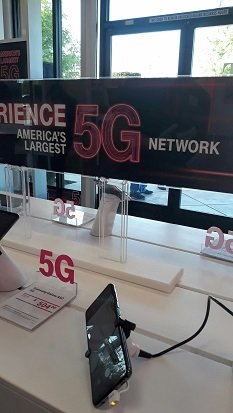
Fifth-generation wireless technology, commonly referred to as 5G, represents a transformative leap in mobile communications, designed to support the rapidly growing demand for connectivity and data transfer. Unlike its predecessor, 4G, 5G is engineered to provide faster speeds, lower latency, and greater bandwidth, thereby enhancing the way users interact with the digital world. This evolution from previous generations is not merely an incremental upgrade; it significantly redefines the possibilities for various industries and everyday applications.
At its core, 5G technology operates on three primary components: enhanced mobile broadband, ultra-reliable low-latency communication, and massive machine-type communications. Enhanced mobile broadband focuses on delivering high throughput and low latency, enabling applications such as 4K video streaming and virtual reality experiences. Ultra-reliable low-latency communication caters to mission-critical use cases, such as remote surgery or autonomous driving, where timing is crucial. Lastly, massive machine-type communications facilitate connectivity for a vast number of devices in the Internet of Things (IoT), all operating simultaneously without compromising performance.
The architecture of 5G is also noteworthy, featuring a combination of higher frequency bands (known as millimeter waves) and advanced technologies like beamforming and network slicing. These innovations allow more efficient use of the available spectrum, quelling some of the congestion issues experienced in prior generations. 5G is poised to impact various sectors, including healthcare, transportation, and entertainment, by supporting advancements like smart cities and improved telemedicine solutions.
As 5G continues to roll out globally, it is essential for stakeholders including businesses, consumers, and policymakers to understand its defining features and the profound implications it holds for future digital experiences. With a robust 5G infrastructure, the connected world will witness unprecedented advancements, signifying a new era in technology.
Key Features and Innovations of 5G
5G technology represents a significant advancement in the field of telecommunications, introducing a range of key features that set it apart from previous generations. One of the most notable features is its capability for high-speed data transfer, enabling download speeds that can exceed 10 Gbps. This remarkable speed not only enhances user experiences for streaming and online gaming but also facilitates rapid data exchange between devices, which is crucial for applications such as augmented reality (AR) and virtual reality (VR).
Another critical feature of 5G is low latency, which refers to the reduced delay in communication between devices. With latencies as low as one millisecond, 5G empowers real-time interactions, making it suitable for applications such as autonomous vehicles and telemedicine, where instant response times are paramount. The reduced latency ensures that instructions sent between devices are executed almost instantaneously, which can significantly improve operational efficiency in various sectors.
Moreover, 5G is designed to support an increased capacity for connections. This means that a significantly larger number of devices can be connected simultaneously without compromising service quality. This increased capacity is essential as the Internet of Things (IoT) continues to expand, demanding a robust network to support billions of interconnected devices. By allowing a greater number of devices to communicate at once, 5G paves the way for smarter cities and advanced industrial automation.
In addition to these core features, 5G technology includes innovations such as network slicing and beamforming. Network slicing enables the creation of multiple virtual networks with tailored characteristics for specific applications, optimizing resource allocation. Beamforming enhances signal quality and range by directing signals toward specific devices rather than broadcasting in all directions, thus improving overall network efficiency. Collectively, these innovations exemplify how 5G technology is set to transform the landscape of mobile communications, setting new standards for performance and connectivity.
Potential Applications of 5G Technology
5G technology represents a significant leap forward in wireless communication, offering enhanced speed, reduced latency, and increased connectivity. Its potential applications span multiple sectors, each poised to benefit dramatically from this advanced technology.
In healthcare, 5G enables innovations such as remote surgery and telemedicine, allowing healthcare professionals to perform complex procedures from remote locations. High-speed connections facilitate the instantaneous transmission of large medical data files, including high-resolution imaging, thereby improving diagnostic accuracy and patient treatment. Additionally, the Internet of Medical Things (IoMT) can leverage 5G to connect devices, enhancing patient monitoring in real-time.
The transportation sector is another area where 5G technology is set to transform operations. With connected vehicles and smart traffic management systems, 5G can create a safer and more efficient transportation ecosystem. Applications such as vehicle-to-vehicle (V2V) and vehicle-to-infrastructure (V2I) communication can significantly reduce the risk of accidents and optimize traffic flow, leading to shorter commute times and reduced emissions.
Smart cities are anticipated to thrive under the influence of 5G, utilizing connected infrastructure to improve urban living conditions. With sensor networks powered by 5G, city planners can gather data on traffic patterns, energy usage, and environmental conditions, allowing for informed decision-making. Furthermore, 5G can optimize public services, such as waste management and emergency response, ultimately enhancing the quality of life for city inhabitants.
In the realm of entertainment, 5G technology offers the promise of immersive experiences through augmented reality (AR) and virtual reality (VR) applications. With the capacity for high-definition streaming and rapid data transfer, users can access content at unprecedented speeds, transforming the way they engage with media. The gaming industry, in particular, stands to benefit from reduced latency, allowing for smoother and more interactive experiences.
Impact on Internet of Things (IoT)
The emergence of 5G technology significantly transforms the landscape of the Internet of Things (IoT). By enhancing connectivity and enabling faster data transfer, 5G provides the foundation necessary for the seamless interaction of numerous connected devices. This is essential for the development of smart environments, which rely on real-time communication between devices to optimize functionality and efficiency.
With 5G’s increased bandwidth and lower latency, IoT devices can exchange information almost instantaneously. This capability is critical for applications such as smart cities, where numerous sensors and devices must work in synchrony to manage traffic flow, energy consumption, and waste management. For example, traffic lights equipped with IoT sensors can communicate with vehicles to adjust signal timing based on real-time conditions, thus reducing congestion and enhancing road safety.
Moreover, the potential for massive device connectivity offered by 5G is unprecedented. While 4G networks could connect approximately 2,000 devices per square kilometer, 5G is projected to support up to 1 million devices in the same area. This capacity allows for widespread deployment of smart technologies across homes, industries, and cities. From smart appliances that optimize energy usage to industrial sensors that monitor machinery health, the potential applications of IoT powered by 5G technology are vast.
Additionally, 5G paves the way for innovations such as augmented reality (AR) and virtual reality (VR) experiences by ensuring minimal lag in data transmission. This can enhance remote work capabilities and entertainment, providing immersive experiences that were previously unattainable. Ultimately, the integration of 5G into the IoT ecosystem promises a future that is more interconnected and responsive, reshaping the way we interact with our environment.
Challenges and Concerns with 5G Implementation
The rollout and adoption of 5G technology, while promising transformative advancements, presents multiple challenges and concerns that must be addressed before it can be fully realized. A pivotal aspect of 5G implementation is the requirement for extensive infrastructure upgrades. This next-generation network relies on a dense web of small cell towers to provide ubiquitous coverage and high-speed connectivity. The deployment of these towers can be met with significant local resistance, zoning laws, and logistical challenges associated with installation.
Additionally, security issues play a crucial role in the conversation surrounding 5G. The increased connectivity and number of devices involved heightens vulnerability to cyberattacks and breaches. As more devices rely on this technology, from medical equipment to industrial machinery, any compromise can have far-reaching implications. Ensuring robust cybersecurity measures is imperative to gain public trust and encourage widespread adoption.
Health concerns related to 5G have generated considerable discussion among the public and in scientific circles. Critics argue that the electromagnetic fields produced by 5G networks could pose health risks, despite existing research generally supporting the safety of compliant mobile technology. Regulatory agencies have yet to conduct extensive studies specifically targeting the high-frequency bands utilized by 5G, stirring skepticism and concern among citizens.
Economic factors also influence the successful deployment of 5G technology. The substantial financial investment required for infrastructure modernizations can create hurdles, particularly for adapting existing systems. Smaller firms may struggle to compete with larger telecommunications companies, exacerbating issues of equity in access to advanced technology. Without a strategic approach to funding and investment, widespread implementation may become uneven.
Global Rollout of 5G Technology
The global rollout of 5G technology represents a significant leap forward in wireless communication, providing faster speeds, lower latency, and greater connectivity. As of 2023, numerous countries are at various stages of 5G deployment, each showcasing a distinct approach tailored to its infrastructure, regulatory environment, and market needs. In the United States, major telecommunications companies have focused on expanding their 5G networks, with cities witnessing expansive coverage and enhanced mobile broadband capabilities. Nonetheless, the rollout has faced challenges, including spectrum allocation and regulatory hurdles.
In contrast, countries like South Korea have aggressively positioned themselves as leaders in 5G technology. With the earliest commercial launches in 2019, South Korea continues to enhance its network infrastructure, emphasizing urban areas to maximize the benefits of 5G. Similarly, China has rapidly expanded its 5G infrastructure, aiming to secure global leadership through substantial investments and extensive development plans, which include vast deployment of base stations and collaboration with tech companies to foster innovation.
Europe, on the other hand, demonstrates a more fragmented approach, with varying levels of adoption and regulatory strategies among its member states. The European Union has laid out ambitious plans to harmonize its 5G efforts, driven by the Digital Single Market strategy. Countries such as Germany and the UK are leading the charge, actively promoting nationwide networks while also emphasizing cybersecurity and privacy measures connected to 5G advancements.
The competitive landscape thus reflects a broader geopolitical context, as nations vie for technological supremacy in 5G. Investments in research, development, and infrastructure are critical as countries recognize the transformative potential of 5G across various sectors, including healthcare, transportation, and smart cities. Ultimately, the global race to implement 5G technology continues to evolve as nations balance innovation with regulatory frameworks, each striving to harness its full capabilities while respecting privacy and safety concerns.
Future Trends in 5G Development
The development of 5G technology is progressing rapidly, with numerous trends indicating a promising future for mobile networks. As the telecommunications industry continues to evolve, attention is now turning towards the next generation, 6G. Although it is currently in the research phase, there is speculation regarding its potential impact on connectivity, which could reshape how we perceive network capabilities. 6G is expected to offer even higher speeds, lower latency, and increased capacity compared to its predecessor, and researchers anticipate its rollout as early as 2030.
Moreover, the enhancement of service delivery is a significant trend in 5G development. As various industries integrate 5G technologies into their operations, there is a growing demand for customized solutions that can leverage the unique features of 5G networks. This includes advancements in Internet of Things (IoT) applications, which are poised to benefit immensely from the high bandwidth and low latency that 5G provides. In particular, the manufacturing and healthcare sectors are likely to experience transformative changes through the implementation of smart devices and real-time data transmission, leading to improved efficiencies and outcomes.
Ongoing research and development are critical for the future of 5G technology. Universities, research institutions, and private companies are tirelessly exploring new technologies, such as advanced antenna systems and intelligent reflecting surfaces, which aim to optimize network performance. These innovations are geared towards enhancing user experiences and addressing challenges such as signal interference and urban density. Additionally, policies geared towards regulatory and infrastructure support will play a vital role in accelerating the deployment of 5G networks and ensuring equitable access for various communities.
5G and its Societal Impact
The advent of 5G technology is poised to significantly alter various facets of societal life. Equipped with faster data transfer rates, lower latency, and enhanced connection density, 5G brings about transformative changes in how people communicate, work, and engage with their environments. One of the most notable impacts of 5G is its potential to enhance remote work opportunities. With the ability to support high-definition video conferencing and real-time collaboration tools, 5G enables a more fluid and productive remote working experience. Employees can expect improved connectivity, allowing them to perform tasks that require high bandwidth without interruptions.
Similarly, 5G technology supports innovative online education frameworks. Educational institutions can harness the capabilities of high-speed internet to offer interactive and immersive learning experiences. Virtual reality (VR) and augmented reality (AR) educational applications become more viable, creating engaging environments that can facilitate better understanding of complex subjects. This transformation in education could not only enhance learning outcomes but also widen access to quality education across diverse demographics.
However, the implementation of 5G is not without challenges. A significant concern is the potential for a digital divide to emerge, exacerbating existing inequalities. As urban regions are likely to experience faster rollouts of 5G infrastructure compared to rural or underserved areas, individuals in less connected locations may find themselves disadvantaged in terms of access to the benefits that 5G offers. This inequity could influence social behavior, as communities with limited access may struggle to keep pace with those that benefit from the enhancements provided by 5G technology.
Overall, while 5G promises remarkable advances and opportunities in various domains, it also necessitates a coordinated effort to ensure that its benefits are equitably distributed across society, thereby mitigating the risk of creating further divides.
Conclusion
In examining the future of 5G technology, it becomes evident that its implications extend far beyond merely increased internet speeds. The advent of 5G heralds a new era of connectivity, characterized by ultra-reliable low latency, massive device connectivity, and significantly enhanced capacity. These attributes will not only transform how consumers interact with their devices but will also impact industries on a global scale.
Healthcare, for example, stands to gain immensely from 5G implementation, with potential advancements in telemedicine and remote surgeries facilitated by the technology’s reduced latency. Similarly, the automotive sector is poised for evolution through enhanced vehicle-to-vehicle communications, paving the way for safer and more efficient transportation systems. Furthermore, smart cities, empowered by the Internet of Things (IoT), will leverage 5G networks to optimize resource efficiency and improve urban living conditions.
As we move toward a future where 5G technology becomes increasingly integrated into daily life, it is crucial for stakeholders—including governments, businesses, and individuals—to recognize its transformative potential. Embracing the changes brought by 5G will not only foster innovation but also address some of the world’s most pressing challenges. The role of advanced connectivity will be pivotal in shaping the way we live, work, and interact with one another in a rapidly evolving digital landscape.
Ultimately, individuals are encouraged to contemplate the ways in which 5G will affect their own lives and communities. The possibilities are vast, and as implementation continues, staying informed about these advancements will ensure that one is prepared to leverage the opportunities that arise from this revolutionary technology.