
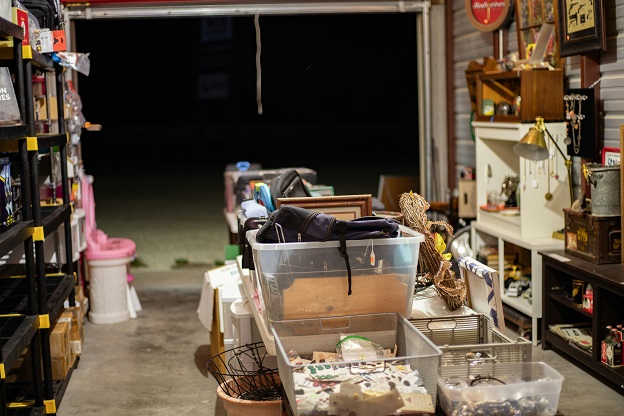
In the context of small home storage, effective storage solutions play an essential role in maximizing available space. The growing trend towards compact living reflects a shift in lifestyle preferences, necessitating innovative storage strategies to address the unique challenges of limited environments. One primary concern for residents of small homes is the constant battle against clutter, which can hinder both functionality and comfort. Limited square footage often leads to a sense of confinement, making it crucial to implement storage solutions that not only conserve space but also streamline daily activities. When belongings are systematically organized and easily accessible, individuals can navigate their living spaces more efficiently. This organization significantly enhances the quality of life, creating a harmonious environment that fosters productivity and relaxation.
Furthermore, effective storage solutions can transform a small home into a well-functioning living area. For instance, multi-functional furniture—such as ottomans with hidden compartments or bed frames that incorporate drawers—offers dual purposes, thus optimizing floor space. Similarly, vertical storage options, including wall-mounted shelves or hanging racks, utilize often-overlooked areas, freeing up valuable floor territory.
Incorporating effective storage not only alleviates the issues posed by clutter but also positively affects one’s overall mood and well-being. An organized space contributes to a sense of tranquility, which is especially vital in smaller homes where individuals may experience the effects of a cramped environment more acutely. Such thoughtful design promotes comfort while maintaining practicality, as it encourages residents to keep only the essentials within reach.
Ultimately, the integration of organized storage solutions is not merely about tidiness; it is a fundamental aspect of enhancing functionality and improving the living experience in small homes. By addressing the prominent need for space management, residents can ensure that their homes remain pleasant and usable, despite physical limitations.
Maximizing Vertical Space
In small homes, making the most of vertical space is crucial for creating an organized, clutter-free environment. Wall space often goes underutilized; however, with strategic planning and creative solutions, it can become a significant storage asset. Incorporating wall-mounted shelves is an effective way to take advantage of vertical surfaces. These shelves can be used for displaying decorative items, books, or storing everyday essentials, thus keeping the floor area open and spacious.
Another excellent option for small homes is installing cabinets that reach the ceiling. Floor-to-ceiling cabinets not only provide ample storage but also draw the eye upwards, giving the illusion of higher ceilings. Consider using cabinets with a mix of opaque and glass doors, which can help balance functionality with aesthetics. This blend allows homeowners to showcase their favorite items while keeping less attractive ones out of sight.
Hooks and pegboards offer additional ways to maximize wall space creatively. They are a versatile storage solution for kitchens, entryways, or home offices, where items such as pots, bags, and tools can be neatly arranged. A well-designed pegboard can also become a dynamic focal point in a room, especially when painted in a bold color or complemented with aesthetically pleasing accessories.
Furthermore, when designing vertical storage, it is essential to maintain visual balance. Grouping items by height or color can create a cohesive look, while incorporating decorative boxes or baskets can help keep smaller items organized. Utilizing vertical space in this manner not only serves a practical purpose but also enhances the overall style and feel of your small home, making every square inch count.
Multi-Functional Furniture
In the quest for effective storage solutions, multi-functional furniture plays a crucial role, particularly in small homes where space is often limited. This innovative type of furniture serves dual purposes, significantly enhancing usability and functionality. For instance, a sofa bed offers a comfortable seating option during the day, and when converted, it provides a cozy sleeping area at night. This adaptability allows homeowners to maximize their living space without sacrificing comfort.
Another popular example is the ottoman that doubles as a storage unit. These versatile pieces can serve as a footrest, an extra seating option, or even a coffee table while discreetly hiding away blankets, toys, or seasonal items inside. Integrating multi-functional furniture into a design can lead to a more organized and spacious environment, reducing clutter that often accumulates in small spaces.
Moreover, investing in such pieces can be cost-effective in the long run. By purchasing furniture that can cater to multiple needs, individuals can minimize the number of separate items required, saving both money and space. Additionally, these items often come in stylish designs, allowing homeowners to maintain their aesthetic preferences while meeting practical needs.
Utilizing multi-functional furniture aligns perfectly with modern living trends that emphasize simplicity and efficiency. By carefully selecting versatile furniture, homeowners can create an atmosphere that feels open and inviting, enabling them to enjoy a clutter-free lifestyle. The strategic use of these items not only enhances daily living but also contributes to a more organized and manageable home environment.
Creative Under-Bed Storage Solutions
The space beneath the bed is frequently overlooked, yet it presents a valuable opportunity for maximizing storage in small homes. Utilizing this area effectively can significantly contribute to organization without invading the living space. Various under-bed storage solutions can be implemented, ranging from simple bins to customized drawers, each designed to cater to different storage needs.
One popular option is under-bed storage bins, which come in a variety of sizes and materials. These bins can be made from sturdy plastic or fabric, providing a practical and dust-proof way to stow away seasonal clothing, shoes, or extra linens. When selecting bins, ensure that they are low-profile to fit comfortably under the bed, making access easy while still keeping the area tidy.
Another innovative option is pull-out drawers, which can be built into the bed frame. These drawers offer a seamless look and easy accessibility, enabling users to store items like books, electronics, or spare bedding. Customized solutions can be crafted to match the aesthetics of the room while maximizing storage potential.
For those who prefer a more flexible approach, roll-out boxes can be a great choice. With wheels or sliding mechanisms, these boxes allow for easy maneuverability, and they can be pulled out when needed and neatly tucked away when not in use. This type of storage solution is particularly beneficial in smaller rooms, where efficiency and accessibility are paramount.
Ultimately, creative under-bed storage solutions not only help declutter your living space but also make use of an often neglected area of your home. By integrating items that you don’t use daily but still wish to keep, you can create a harmonious and organized environment that maximizes your home’s storage potential.
Using Baskets and Decorative Boxes
Baskets and decorative boxes serve as both practical and aesthetic solutions for storage in small homes. These versatile items can significantly enhance organization while complementing the overall decor of various rooms. With their diverse shapes, sizes, and materials, they can easily be integrated into any living space, making them invaluable for decluttering and beautifying one’s home.
In the living room, for instance, baskets can be placed under coffee tables or beside couches to hold blankets, magazines, or children’s toys. This not only maintains an orderly appearance but also provides easy access to items that may otherwise create visual clutter. Similarly, decorative boxes can be used on shelves or tabletops to store remote controls, coasters, or other small items. Their unique designs can act as eye-catching statements while keeping the space organized.
In the bedroom, baskets can be useful for storing extra pillows, throws, or laundry, while decorative boxes can hold jewelry or keepsakes, adding a personal touch to the decor. Moreover, in the bathroom, utilize waterproof baskets to organize toiletries or towels; this approach declutters countertops while contributing to a serene aesthetic. Decorative boxes can similarly store first aid supplies or beauty products, keeping essentials out of sight.
Incorporating baskets and decorative boxes into your home not only serves a functional purpose but also elevates the visual appeal of the space. By choosing items that reflect your style, you can create a harmonious environment that feels both organized and inviting. Thus, these storage solutions embody a perfect blend of practicality and design, making them ideal for small homes seeking to maximize both efficiency and beauty.
Closet Organization Tips
Maximizing a small closet’s potential requires strategic organization techniques that not only enhance its functionality but also create an aesthetically pleasing space. The first step in this process is sorting items into categories such as clothing type, seasonal wear, and frequency of use. This simple method enables homeowners to quickly identify the items they need, reducing time spent rummaging through cluttered spaces.
Utilizing hanging dividers can play a significant role in maintaining an orderly environment. These dividers help effectively separate different types of clothing, ensuring that shirts, pants, and accessories do not become jumbled together. Additionally, consider investing in adjustable shelves to optimize vertical space. This allows for the stacking of items or even the organization of shoes and handbags, promoting a clearer view of what one owns.
Shoe racks are another practical solution for small closets. By employing these racks, individuals can create designated spaces for their footwear, making them easily accessible while keeping the floor area clear. For those with limited shelf space, over-the-door organizers can be a game changer, providing additional compartments for shoes, accessories, or even small clothing items such as scarves and belts.
The use of clear bins or baskets is also highly recommended. These containers allow for efficient categorization while offering visibility, which saves time when locating specific items. Labeling each bin can further streamline the process, making it easy for anyone to find and return items to their proper place.
In conclusion, implementing these closet organization techniques can truly transform a small closet into a functional storage haven. By sorting, categorizing, and utilizing appropriate organizers like shoe racks and hanging dividers, one can ensure that every inch of space is used effectively, creating a more usable and enjoyable closet environment.
The Value of Decluttering
Decluttering is a crucial first step in developing efficient storage solutions, especially in small homes where space is limited. It involves meticulously evaluating your belongings to distinguish between what is necessary and what can be discarded or donated. This process not only creates additional space but also enhances the overall function and aesthetics of your living environment.
One effective strategy for assessing your items is to categorize them based on their utility and emotional significance. Begin by creating separate groups: essentials, occasional use, and items that hold sentimental value. This can help you make informed decisions about what to keep, as well as identify items that may no longer serve a purpose. It is often helpful to set a time limit for each category to avoid overthinking and facilitate quicker decision-making.
Letting go of unnecessary items can be challenging. A practical approach is to employ the “one-year rule” — if you haven’t used an item in the past year, it may be time to let it go. This rule encourages a mindset focused on current needs rather than past attachments, fostering a more efficient living space. Additionally, consider digital alternatives for important documents or photos, which can free up physical space while preserving essential information.
Once decluttering is accomplished, the next phase involves maintaining an organized space. Establishing designated storage areas for frequently used items will aid in developing a consistent routine. Regularly reassessing your belongings, perhaps every season, ensures that your space remains clutter-free and organized. Overall, decluttering not only paves the way for effective storage solutions but also contributes to a calmer, more harmonious living environment.
Utilizing Nooks and Crannies
In small homes, every square inch counts, and often overlooked spaces can provide invaluable storage solutions. Nooks and crannies, such as corners, alcoves, and spaces above cabinets, hold significant potential for creative storage options. By strategically utilizing these neglected areas, homeowners can optimize their space and enhance organization.
One effective way to utilize corner spaces is by installing corner shelves. These shelves can be customized to fit specific measurements, ensuring that even the smallest corners are not wasted. They can serve multiple purposes, from displaying decorative items to holding books or kitchen essentials. Furthermore, triangular-shaped shelving units can create dynamic visual interest while fulfilling storage needs.
Alcoves are another opportunity for innovation. With the addition of fitted cabinetry or open shelves, homeowners can transform these areas into functional spots for storing everything from shoes to seasonal decor. Consider opting for stylish storage bins or baskets that match the decor to maintain a cohesive look. These storage solutions can easily be pulled out for access, providing hidden organization when needed.
Additionally, the space above kitchen cabinets is frequently ignored but can be utilized effectively. This area is ideal for placing decorative boxes or less frequently used kitchen items, clearing up valuable counter space. When arranging items up high, make sure they are not obtrusive and maintain a clean and organized appearance.
Incorporating creativity into the design of these spaces can yield rewarding results. For example, integrating a built-in bench with storage underneath can provide both seating and functionality, enhancing both comfort and organization in small living environments. Overall, maximizing nooks and crannies can lead to a seamlessly organized and aesthetically pleasing home.
Incorporating Technology into Storage Solutions
In today’s fast-paced world, technology has permeated all areas of life, including home organization. For small homes, utilizing technology in storage solutions allows for smart organization, efficient use of space, and streamlined inventory management. Smart home devices have become invaluable allies in this regard, enabling residents to maintain a clutter-free environment.
One of the most effective technological advancements for small homes is the use of smart organization apps. These applications serve a variety of functions, from tracking inventory to optimizing storage space. Intelligent inventory management apps can help homeowners visualize their stored items, thereby minimizing the chances of purchasing duplicates and maximizing the efficient use of available space. Features such as categorization, reminders, and even integration with smart home systems make these apps pivotal for effective household management.
Moreover, smart storage solutions have gained popularity, such as digitally controlled shelving units and automated cabinets that adjust according to user preferences. These units can be programmed to open at specified times or when prompted by voice commands, facilitating easy access while maintaining organization. Furthermore, some modern furniture doubles as smart storage, such as ottomans or beds with hidden compartments, which blend functionality with design.
Additionally, technologies like augmented reality (AR) now offer virtual simulations where homeowners can visualize how their spaces can be optimized. By mapping out room dimensions and potential furniture placements, users can better decide how to arrange their environments, ensuring an organized and spacious feel.
In summary, incorporating technology into storage solutions presents a myriad of opportunities for small homes. From smart devices that simplify access to apps that track inventory, the combination of modern technology and innovative thinking empowers homeowners to create efficient, organized living spaces.