
Melanoma is a type of skin cancer that develops from melanocytes, the cells responsible for producing melanin, the pigment that gives skin its color. Although melanoma is less common than some other forms of skin cancer, it can be more serious because it has the potential to spread to other parts of the body. Early detection and appropriate treatment can make a significant difference, which is why anyone concerned about a changing mole or unusual skin lesion should seek medical assessment.
For people researching melanoma treatment UK, it is important to understand that treatment depends on factors such as the stage of melanoma, tumor characteristics, overall health, and whether the cancer has spread. Treatment plans should always be developed by qualified healthcare professionals rather than based solely on general information.
Understanding Melanoma
Melanoma most commonly develops in the skin, although it can occasionally occur in other areas containing melanocytes. It may develop from an existing mole or appear as a new mark.
Possible warning signs include changes in:
- Size
- Shape
- Color
- Border
- Texture
- Appearance
A useful approach is to pay attention to a mole that looks different from other marks on the skin, sometimes described as the “ugly duckling” sign.
Other symptoms can include itching, bleeding, crusting, or a lesion that continues to change.
Not every unusual mole is melanoma, but changes should be assessed by a healthcare professional.
Why Early Diagnosis Matters
Melanoma can sometimes grow deeper into the skin and spread to lymph nodes or other organs. The earlier it is identified, the more treatment options may be available.
In the UK, people with suspicious skin changes can contact their GP or seek appropriate medical advice. A clinician may examine the skin and decide whether referral to a specialist is necessary.
Early evaluation is particularly important when a mole changes quickly or develops concerning characteristics.
How Melanoma Is Diagnosed
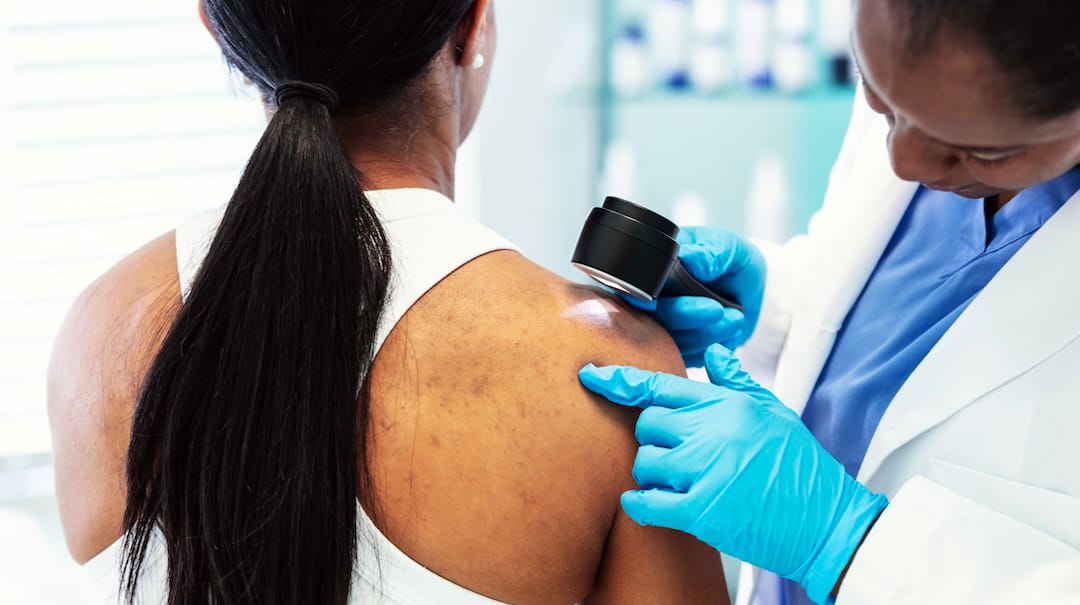
Diagnosis generally begins with a clinical examination. A healthcare professional may use a dermatoscope, a specialized device that provides a magnified view of skin structures.
If melanoma is suspected, a biopsy may be performed. This involves removing some or all of the suspicious tissue so it can be examined by a specialist laboratory.
The pathology report can provide information about the melanoma and help doctors determine appropriate treatment.
Further investigations may be recommended depending on the characteristics and suspected stage of the cancer.
Melanoma Staging
Staging describes how advanced the melanoma is. It helps healthcare professionals determine the most appropriate treatment strategy.
Important factors can include:
- Tumor thickness
- Ulceration
- Lymph node involvement
- Spread to other parts of the body
Early-stage melanoma is generally confined to the original area, while advanced melanoma may have spread to lymph nodes or distant organs.
Treatment recommendations can therefore vary substantially between patients.
Surgery for Early Melanoma
Surgery is a common treatment for localized melanoma. The initial procedure may involve removing the melanoma along with a margin of surrounding healthy-looking tissue.
The amount of tissue removed depends on factors such as the melanoma’s characteristics and location.
For some patients, additional procedures may be considered to determine whether melanoma cells have reached nearby lymph nodes.
Surgery can be highly effective for many localized melanomas, particularly when the cancer is detected before it spreads.
Sentinel Lymph Node Assessment
For certain melanomas, doctors may recommend a sentinel lymph node biopsy. This procedure evaluates the first lymph node or nodes to which cancer cells would be likely to spread.
The results can provide useful staging information and help doctors determine whether additional treatment should be considered.
Not every person with melanoma needs this procedure. The decision depends on individual clinical factors.
Treatment for Advanced Melanoma
When melanoma has spread beyond its original location, treatment can become more complex. Modern cancer care may include systemic therapies designed to target melanoma cells or stimulate the immune system.
Two important categories are targeted therapy and immunotherapy.
The appropriate treatment depends on the patient’s melanoma characteristics, including genetic changes within the tumor, stage, previous treatments, and overall health.
Immunotherapy
Immunotherapy uses medicines that help the immune system recognize and attack cancer cells more effectively.
Immune checkpoint inhibitors are an important part of modern melanoma treatment. They have changed the treatment landscape for some people with advanced disease.
However, immunotherapy can cause side effects because activating the immune system may also affect healthy tissues.
Patients receiving immunotherapy are monitored carefully, and new symptoms should be reported promptly to the treating medical team.
Targeted Therapy
Some melanomas contain specific genetic changes that can be targeted with medicines.
For example, certain melanomas have changes involving the BRAF gene. When appropriate, targeted medicines may be used to interfere with pathways that help cancer cells grow.
Genetic testing of melanoma tissue can therefore help doctors determine whether targeted treatment may be appropriate.
Targeted therapy is not suitable for every patient, and treatment decisions should be made by the oncology team.
Radiotherapy
Radiotherapy uses high-energy radiation to damage cancer cells. It may have a role in selected melanoma cases, particularly when melanoma has spread to certain locations or when treatment is needed to relieve symptoms.
The role of radiotherapy depends on the location and extent of disease and the patient’s overall treatment plan.
Clinical Trials
Clinical trials play an important role in improving melanoma treatment. They allow researchers to investigate new medicines, combinations, procedures, or approaches to cancer care.
Some patients may be eligible to participate in a clinical trial depending on their diagnosis and treatment history.
Patients interested in clinical research can discuss available opportunities with their specialist team.
Melanoma Care in the UK
The UK’s healthcare system provides pathways for diagnosing and treating melanoma through specialist dermatology, surgical, oncology, and multidisciplinary teams.
Treatment may involve several professionals, including:
- Dermatologists
- Skin cancer specialists
- Surgeons
- Pathologists
- Medical oncologists
- Specialist nurses
- Radiologists
Multidisciplinary care allows different specialists to contribute to diagnosis, staging, treatment, and follow-up planning.
Follow-Up After Treatment
Completing initial treatment does not necessarily mean that medical care ends. Follow-up appointments may be recommended depending on the stage and characteristics of the melanoma.
Follow-up may involve:
- Skin examinations
- Lymph node checks
- Review of symptoms
- Monitoring for recurrence
- Education about self-examination
Patients should also become familiar with their own skin and report new or changing lesions.
Protecting Your Skin
Sun protection is an important part of reducing exposure to ultraviolet radiation.
Useful measures include:
- Seeking shade during strong sunlight
- Wearing protective clothing
- Using suitable sunscreen
- Avoiding intentional tanning
- Avoiding sunbeds
Sunscreen should not be considered a reason to spend longer in strong sunlight. Combining several protective measures offers better protection.
Checking Your Skin
Regularly becoming familiar with the appearance of your skin can make it easier to notice changes.
When checking your skin, pay attention to new or changing moles and unusual lesions. Areas that are difficult to see, such as the scalp or back, may require assistance from another person.
If you notice something concerning, don’t wait for it to resolve on its own. Seek professional medical advice.
Finding Reliable Melanoma Information
People researching melanoma treatment UK should rely on reputable medical sources and qualified healthcare professionals.
Treatment information found online can provide useful background, but it cannot replace an examination, biopsy, pathology assessment, or personalized medical advice.
Patients should ask their healthcare team about the purpose of recommended treatments, potential benefits, possible side effects, and available alternatives.
Supporting Patients During Treatment
A melanoma diagnosis can be emotionally difficult. Patients may benefit from practical and emotional support from family, friends, specialist nurses, healthcare professionals, or reputable cancer support organizations.
Keeping a list of questions for appointments can also help patients understand their diagnosis and treatment plan.
Questions might include:
- What stage is my melanoma?
- What treatment is recommended?
- Why is this treatment appropriate?
- What side effects should I watch for?
- What follow-up will I need?
Conclusion
Researching melanoma treatment UK can help patients understand the different approaches used in modern melanoma care. Treatment may involve surgery, lymph node assessment, immunotherapy, targeted therapy, radiotherapy, clinical trials, or combinations of these approaches, depending on the individual diagnosis.
The most important step is obtaining professional medical assessment when a mole or skin lesion changes. Early diagnosis can improve treatment options, while specialist staging helps doctors develop an appropriate care plan.
If you notice a new or changing mole, bleeding lesion, unusual pigmentation, or other persistent skin change, speak with a GP or qualified healthcare professional. General online information can help you prepare for a conversation with your medical team, but personalized diagnosis and treatment decisions should always come from appropriately qualified clinicians.