
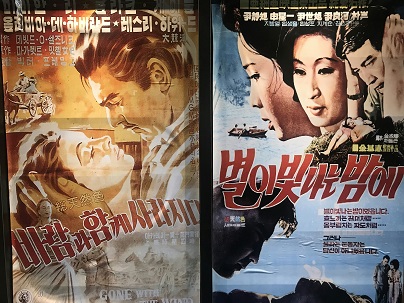
Romantic drama is a captivating genre that combines the complexities of romantic relationships with the intricacies of human emotions. At its core, this genre encapsulates narratives where love is intertwined with personal struggles, presenting characters who navigate the tumultuous waters of relationships while addressing their individual challenges. This dual focus is what sets romantic dramas apart from pure romance films; they do not simply dwell on the joy of love but explore the depth of commitment, heartbreak, and often the transformative power of love during trying times. The appeal of romantic dramas lies in their ability to evoke powerful emotions. Audiences are drawn to these films, not only for the romantic elements but also for the relatable experiences portrayed. The characters often find themselves in complex situations, reflecting real-life dilemmas such as loss, ambition, and self-discovery, which resonate with viewers on a personal level. This relatability fosters a deeper connection, allowing audiences to empathize and reflect on their own experiences of love and heartache.
Moreover, the artistry involved in storytelling within romantic dramas cannot be overlooked. The cinematography, score, and dialogues are crafted to amplify the emotional journey of the characters. Directors and screenwriters understand that the authenticity of a love story hinges on believable character development and realistic portrayals of relationships. The compelling nature of these narratives captivates viewers, drawing them into a world where the human experience is laid bare, revealing vulnerabilities and the essence of love itself.
In this blog post, we will delve into some of the top romantic drama movies, celebrating the depth and beauty of this genre. These films represent the pinnacle of storytelling where love thrives amidst conflict, making them enduring staples in cinematic history.
Criteria for Ranking Romantic Drama Movies
Ranking romantic drama movies is a nuanced task that requires careful consideration of multiple factors. Each movie stands apart not only for its narrative but also for the emotional resonance it creates with audiences. To accurately assess these films, we rely on several key criteria.
Firstly, emotional impact is central to the romantic drama genre. This cinematic category thrives on its ability to elicit powerful feelings from viewers, whether through heartwarming scenes or heart-wrenching moments. Movies that leave a lasting emotional impression tend to be prioritized in our rankings, as they often resonate deeply with audiences long after viewing.
Next, storytelling plays a crucial role in our evaluations. A well-crafted narrative that either follows traditional romantic frameworks or breaks convention can elevate a film’s status. We assess the structure and pacing of the story, as well as its ability to engage the viewer throughout its duration. In addition, character development is an essential element. Films that feature well-rounded, relatable characters tend to engage audiences more effectively, allowing for deeper connections to be formed during the viewing experience.
Critical reception is another vital factor in our ranking criteria. We look at reviews from professional critics and aggregate scores from various platforms to gauge how a film has been received by the film industry. Audience preferences also inform our rankings, reflecting the tastes and expectations of the general public. By evaluating both critical and audience responses, we aim to provide a well-rounded perspective on each film’s significance in the romantic drama genre.
These criteria combine to create a comprehensive framework for ranking romantic drama movies, ensuring that our evaluations are thoughtful and reflective of both critical standards and viewer experiences.
Top 10 Romantic Drama Movies: Countdown Begins
As the genre of romantic dramas captivates audiences with its heartfelt storytelling and emotional resonance, we present a countdown of the top ten romantic drama movies that have significantly impacted both viewers and the cinematic landscape.
10. The Notebook (2004) – Directed by Nick Cassavetes, this film is based on Nicholas Sparks’ novel and tells the love story of Noah and Allie, whose romance transcends class differences and the trials of life. Its unforgettable moments and the passionate bond showcased became iconic in the romantic drama genre.
9. A Walk to Remember (2002) – Another adaptation of a Nicholas Sparks’ novel, this film portrays the relationship between high school students Jamie and Landon, who come from very different backgrounds. Their journey of love and transformation highlights themes of redemption and self-discovery, making it a staple in romantic dramas.
8. Titanic (1997) – Directed by James Cameron, this epic romance set against the tragic sinking of the Titanic tells the story of Jack and Rose. Their whirlwind romance amidst societal constraints emphasizes themes of love and loss, earning it a cherished place in both romantic and dramatic cinema.
7. Pride & Prejudice (2005) – This adaptation of Jane Austen’s classic novel captures the nuanced relationship between Elizabeth Bennet and Mr. Darcy. The film explores issues of class, reputation, and the complexities of human relationships, making it a prominent film in the romantic drama category.
6. La La Land (2016) – A modern musical directed by Damien Chazelle, La La Land presents the love story of an aspiring actress and a jazz musician navigating their respective dreams. Its blend of romance, ambition, and bittersweet reality offers a contemporary twist on traditional romantic dramas, leaving a lasting impact on audiences.
The Best of the Best: Top 5 Romantic Drama Movies
Romantic drama movies have a unique way of capturing the complexities of love and relationships, intertwining emotional narratives with profound character development. The top five romantic drama films stand out for their excellence in storytelling, stunning cinematography, and memorable performances that resonate with audiences around the world.
First on the list is The Notebook, directed by Nick Cassavetes. This film, adapted from Nicholas Sparks’ novel, has become a cultural phenomenon since its release. The poignant love story between Noah and Allie is beautifully portrayed by Ryan Gosling and Rachel McAdams, transcending time and societal barriers. Their romance is heartfelt, drawing viewers into a world where love conquers all obstacles.
Next up is Pride and Prejudice, a classic adapted from Jane Austen’s novel, directed by Joe Wright. This period drama captivates with its exploration of class and relationships, showcasing the chemistry between Elizabeth Bennet and Mr. Darcy, brought to life by Keira Knightley and Matthew Macfadyen. The film’s lush cinematography and period-accurate settings enhance the romantic tension, making it a favorite among audiences.
Third, we examine La La Land, a modern musical that blends romance with the struggles of ambition. Starring Emma Stone and Ryan Gosling, this film captures the bittersweet essence of love in pursuit of dreams. Its vibrant visuals and an unforgettable soundtrack elevate the emotional stakes, earning it critical acclaim and numerous awards.
Fourth on the list is A Star Is Born, directed by Bradley Cooper. This contemporary retelling of the classic story showcases the rise of an aspiring musician, played by Lady Gaga, juxtaposed against the fall of a seasoned rock star. Their powerful performances evoke deep emotional responses, illustrating the agonies and triumphs of love and ambition.
Finally, Titanic remains an iconic romantic drama that transcends generations. Directed by James Cameron, this epic tale of star-crossed lovers aboard a doomed ship is filled with memorable moments and emotional depth. Leonardo DiCaprio and Kate Winslet’s portrayal of Jack and Rose resonates as they navigate the trials of class and the tragedy of fate, cementing the film’s legacy.
Themes and Motifs in Romantic Dramas
Romantic drama movies often encompass a diverse range of themes and motifs that resonate deeply with audiences. One prevalent theme is the notion of love overcoming obstacles. These obstacles can take various forms, such as societal pressures, familial disapproval, or even personal insecurities. By portraying characters who strive to overcome these challenges in the name of love, filmmakers illustrate the complexity and resilience of romantic relationships.
Another common theme is unrequited love. This motif speaks to the universal human experience of longing and heartache, which serves to cultivate empathy and connection with viewers. Characters often navigate the emotional turmoil associated with loving someone who does not reciprocate their feelings, allowing audiences to reflect on their own experiences of love and loss. The portrayal of unrequited love often highlights the bittersweet aspect of desire, making it a compelling aspect of many romantic dramas.
Additionally, sacrifice is a crucial component within many romantic narratives. The characters’ willingness to make personal sacrifices for the sake of love demonstrates a deep commitment and serves to elevate the emotional stakes of the narrative. This theme underscores the idea that love often requires compromise, whether that entails giving up one’s dreams for the sake of a partner or making difficult choices to ensure a loved one’s happiness.
Lastly, personal growth frequently emerges as an essential motif in romantic dramas. Characters often embark on journeys of self-discovery, evolving as individuals while navigating the complexities of love. This theme resonates with viewers as it reflects the transformative power of love, emphasizing that relationships can inspire personal development and introspection. Overall, these recurring themes not only drive the narrative of romantic dramas but also enhance their emotional impact and audience engagement, contributing to their enduring appeal in cinema.
Iconic Performances in Romantic Drama
Romantic drama films have produced some of the most unforgettable performances in cinematic history, characterized by the emotional depth and complexity that actors bring to their roles. These performances not only define the essence of the genre but also resonate with audiences, connecting them with the intricate stories of love, loss, and human connection.
One prime example is the legendary performance by Leonardo DiCaprio in “The Notebook.” His portrayal of Noah Calhoun showcases raw vulnerability and fervent passion, making him a quintessential figure in romantic dramas. The on-screen chemistry between DiCaprio and co-star Carey Mulligan is palpable, capturing the essence of young love and heartache.
Another standout performance is delivered by Meryl Streep in “The Bridges of Madison County.” Streep’s ability to embody the character of Francesca Johnson presents a masterclass in conveying the complexities of desire and sacrifice. Her subtle expressions and nuanced delivery serve to heighten the narrative’s emotional stakes, making viewers empathize with her character’s choices.
Additionally, the performance by Ryan Gosling in “La La Land” exemplifies the quintessential romantic hero. With his striking demeanor and soulful musical talent, Gosling effectively captures the dreams and disappointments intertwined in romantic relationships. His dynamic with Emma Stone, who also delivers a compelling performance, reinforces the film’s themes of aspiration and love.
These performances, among many others in the romantic drama genre, highlight the significance of skilled actors in bringing poignant stories to life. The emotional journeys they portray elevate romantic dramas, ensuring their status as timeless classics deserving of recognition for their impactful storytelling and impressive acting prowess.
Audience Reactions and Cultural Impact
Romantic drama movies have consistently captivated audience hearts, leading to various reactions over the years. These films often spark intense emotional engagement, with viewers resonating deeply with the portrayal of love, heartache, and relationships. The cultural significance of romantic dramas can be discerned through their box office performance as well as critical reviews. For instance, hits like “The Notebook” and “Pride and Prejudice” not only achieved financial success but also became staple references in discussions about love and personal relationships.
Box office receipts reveal the magnetic pull these films have; many entries in this genre have grossed hundreds of millions worldwide. Films such as “Titanic” and “La La Land” have not only dominated the charts but have frequently been celebrated in award ceremonies, reinforcing their cultural relevance. These box office successes illustrate the public’s voracious appetite for narratives that explore the complexities of romantic relationships.
Critically, romantic dramas are often appraised for their ability to reflect societal norms and expectations surrounding love. Reviews frequently highlight how these films challenge or reinforce ideas about romantic ideals and emotional connections. For example, the evolution from traditional courtship narratives in earlier films to more progressive representations of love in contemporary cinema demonstrates an adaptability that resonates with modern audiences.
Moreover, the influence of these films often extends beyond the screen—impacting societal views on love and relationships. They inspire dialogues about regional and cultural nuances in romantic expression, while also challenging stereotypes. By capturing cultural sentiments and portraying multifaceted characters, romantic dramas contribute to ongoing conversations surrounding love, identity, and connection, thus cementing their enduring role in contemporary cinema.
The Evolution of Romantic Drama Movies
The journey of romantic drama movies has undergone significant transformations over the decades, reflecting changes in societal norms, storytelling techniques, and audience expectations. The genre finds its roots as far back as the early 20th century, with classics such as “Gone with the Wind” (1939) and “Casablanca” (1942) setting the stage for future narratives. These films established a template characterized by intense emotional conflicts, passionate love stories, and often tragic endings, resonating deeply with viewers of their time.
In the 1950s and 1960s, the style of romantic dramas evolved, embracing a more realistic portrayal of relationships. Films like “The Graduate” (1967) introduced complex characters and themes, moving away from the idealized love stories of earlier productions. As society began to tackle issues such as sexual liberation and feminism, romantic dramas reflected this shift, presenting nuanced relationships that often explored the struggles between societal expectations and personal desires.
The 1980s and 1990s marked a significant turning point with the rise of romantic comedies, blending humor with romantic tension. Movies like “When Harry Met Sally…” (1989) and “Notting Hill” (1999) showcased narratives that combined charm with emotional depth, captivating a new generation of fans. The increasing reliance on high-profile stars and marketing strategies began to change the production dynamics, making these films significant cultural phenomena.
In recent years, the resurgence of independent cinema has once again transformed the romantic drama genre. Contemporary films often prioritize diverse narratives and unconventional storytelling. Independent movies such as “Moonlight” (2016) and “Call Me by Your Name” (2017) explore themes of identity and love with an authenticity that resonates with today’s audiences. As we delve further into the 21st century, the evolution of romantic drama movies continues to reflect our changing attitudes toward love, relationships, and social discourse.
Conclusion and Final Thoughts
Romantic drama movies have a profound ability to connect with audiences on an emotional level, weaving intricate narratives that explore the complexities of love and relationships. This genre captures the essence of human experiences, showcasing both the joys and the heartaches that accompany romantic endeavors. As we have examined various films throughout this blog post, it becomes evident that romantic dramas have made a significant impact on cinema, shaping storytelling and character development norms.
The films we discussed not only highlight passionate love stories but also tackle the nuances of personal growth, sacrifice, and the journey toward self-discovery. From classic entries to modern masterpieces, these films resonate with a wide array of viewers, reflecting their emotions and experiences. Each romantic drama presents a unique perspective on love, inviting audiences to engage with themes that transcend the screen.
As you delve deeper into the realm of romantic dramas, consider revisiting the films mentioned in this post. They not only provide entertainment but also offer valuable insights into the human experience, encouraging reflection on one’s own romantic encounters. Furthermore, the lasting impact of these films contributes to their enduring popularity, allowing them to be revisited time and again, often leading to renewed discussions and interpretations.
In conclusion, the genre of romantic drama continues to evolve while holding closely to its roots of deep emotional storytelling. By exploring both timeless classics and contemporary narratives, viewers can appreciate the artistry involved in crafting poignant love stories. As you embark on your cinematic journey, may you discover new favorites that resonate with your own experiences of love and connection.