
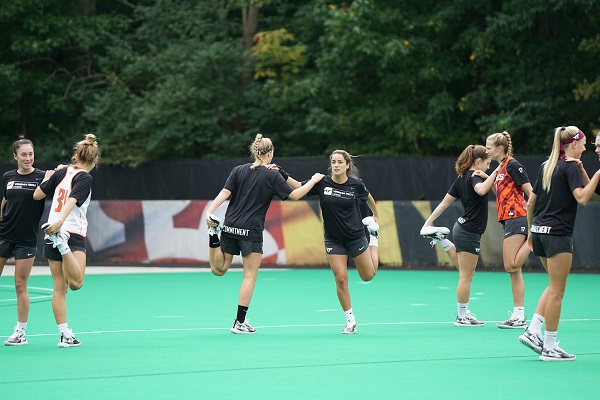
Warm-up benefits is a critical phase of any athletic endeavor, serving as a necessary precursor to physical activity. Engaging in a structured warm-up benefits effectively prepares the body for the rigors of sports by gradually increasing the heart rate and enhancing blood flow to the muscles. This increase in circulation ensures that the muscle tissues receive adequate oxygen and nutrients, which are vital for optimal performance.
Moreover, warming up facilitates the loosening of joints and improves muscle elasticity. This heightened flexibility plays a crucial role in enhancing athletic performance, as it allows for a greater range of motion and reduces stiffness. As muscles are warmed, they are more responsive, which translates into improved strength and coordination during physical activities.
Another significant benefit of a proper warm-up routine is its potential to minimize the risk of injuries. By preparing the muscles, ligaments, and tendons for action, the chance of strains, sprains, and other injuries decreases considerably. This is particularly important in high-impact sports or activities that require quick bursts of movement, where the body is more susceptible to injury if not adequately prepared.
Furthermore, mental readiness is equally essential for athletes. A well-structured warm-up routine can enhance focus and concentration, enabling athletes to mentally shift gears and enter a competitive mindset. This psychological preparation is often overlooked, yet it can significantly influence performance outcomes.
In essence, a thorough warm-up routine is integral to both physical and mental aspects of sports participation. By taking the time to adequately prepare the body, athletes can boost their performance and enjoyment while ensuring safety throughout their engagement in sports activities.
Key Components of an Effective Warm-Up
To optimize athletic performance and minimize the risk of injury, a well-structured warm-up routine is essential. An effective warm-up typically comprises three fundamental components: cardiovascular exercises, dynamic stretching, and sport-specific movements.
The first component, cardiovascular exercises, serves to elevate the heart rate and increase blood circulation to the muscles. Activities such as jogging, jumping jacks, or cycling for approximately 5 to 10 minutes are common forms of cardiovascular warm-up. This initial phase prepares the cardiovascular system for the upcoming activity, enhancing both endurance and efficiency.
Next, dynamic stretching is crucial for enhancing flexibility and range of motion. Unlike static stretches, dynamic stretches involve movement, which helps to activate the muscles and joints in a functional manner. Examples include leg swings, arm circles, and walking lunges. Engaging in these movements not only improves flexibility but also prepares the muscles for the specific actions and movements that will be performed in the sport.
Finally, sport-specific movements are tailored to the particular demands of the sport in question. For instance, a basketball player may perform lateral shuffles and lay-up drills, while a soccer player might practice dribbling or kicking the ball. This component focuses on activating the neuromuscular pathways that are pivotal for the athlete’s performance, ensuring that the body is ready for the specific challenges ahead.
Incorporating these three key components—cardiovascular exercises, dynamic stretching, and sport-specific movements—into a warm-up routine contributes significantly to athletic readiness. Each component plays a vital role in preparing the body physically and mentally, thus ensuring optimal performance and reducing the likelihood of injury during physical activities.
Sample Warm-Up Routines for Different Sports
Warm-up routines are essential components of sports preparation, as they help enhance performance and reduce the risk of injury. Each sport has its distinct requirements, necessitating different warm-up activities. Below, we explore tailored warm-up routines for soccer, basketball, swimming, and running.
For soccer, a comprehensive warm-up benefits includes jogging for five minutes, followed by dynamic stretches such as leg swings, lunges, and high knees. Incorporating ball handling activities like dribbling and passing can further prepare players for the agility and coordination needed during the match. This routine effectively increases heart rate and loosens up muscles, reinforcing the importance of sport-specific movements in enhancing performance.
In basketball, players can benefit from a warm-up that lasts approximately 15 minutes. Start with light jogging followed by dynamic stretches focusing on the arms and legs. Exercises might include butt kicks, karaoke, and side shuffles, then transitioning into shooting drills. This pattern not only prepares athletes musically but also helps with overall muscle activation, ultimately improving ball-handling skills.
For swimmers, a warm-up benefits should include both land and water components. On land, swimmers can perform shoulder and hip mobility exercises, followed by dynamic stretches targeting the spine and legs. Upon entering the pool, a suitable routine consists of swimming at an easy pace, gradually incorporating strokes that resemble the upcoming events. This structured warm-up enhances flexibility and activates swimming muscles, ensuring readiness for the water.
Finally, a running warm-up focuses on elevating heart rates. Starting with a slow jog for about 10 minutes, followed by dynamic movements like leg swings, walking lunges, and skipping, conditions the body for the rigors of a run. This routine increases blood flow to crucial muscle groups, optimally preparing runners for sustained effort. Understanding these warm-up protocols is vital, as they enable athletes to achieve peak performance while minimizing the likelihood of injury.
Tips for Customizing Your Warm-Up Routine
Personalizing a warm-up benefits is crucial for optimizing performance and minimizing the risk of injury. Athletes should begin by assessing their individual needs based on the specific sport they are engaging in. This assessment includes understanding the skills, movements, and muscle groups most utilized in the sport, as well as considering the athlete’s fitness level and any prior injuries that may require special attention.
For instance, a sprinter would benefit from dynamic stretches that focus primarily on the lower body, while a swimmer might prioritize shoulder mobility and core activation. Incorporating sport-specific drills during the warm-up process can be highly effective in preparing the body for competition. Additionally, athletes should adjust the intensity of the warm-up to suit their current fitness level, ensuring that it is adequately challenging without leading to fatigue.
Consistency is another key aspect of an effective warm-up routine. Engaging in a regular warming-up practice can help athletes transition smoothly into their physical activities, promoting a habit that enhances overall performance. By establishing a routine that feels both comfortable and effective, athletes can reduce anxiety and improve their focus before competition or training sessions.
Moreover, it is essential for athletes to avoid common mistakes during the warm-up benefits process. Rushing through exercises, neglecting to target key muscle groups, or overextending themselves can lead to suboptimal performance and potential injuries. Athletes should take the time to listen to their bodies and fine-tune their warm-up sequences to better meet their individual requirements. In the end, developing a customized warm-up routine that accommodates personal needs and avoids common pitfalls will foster greater readiness in any sport.