
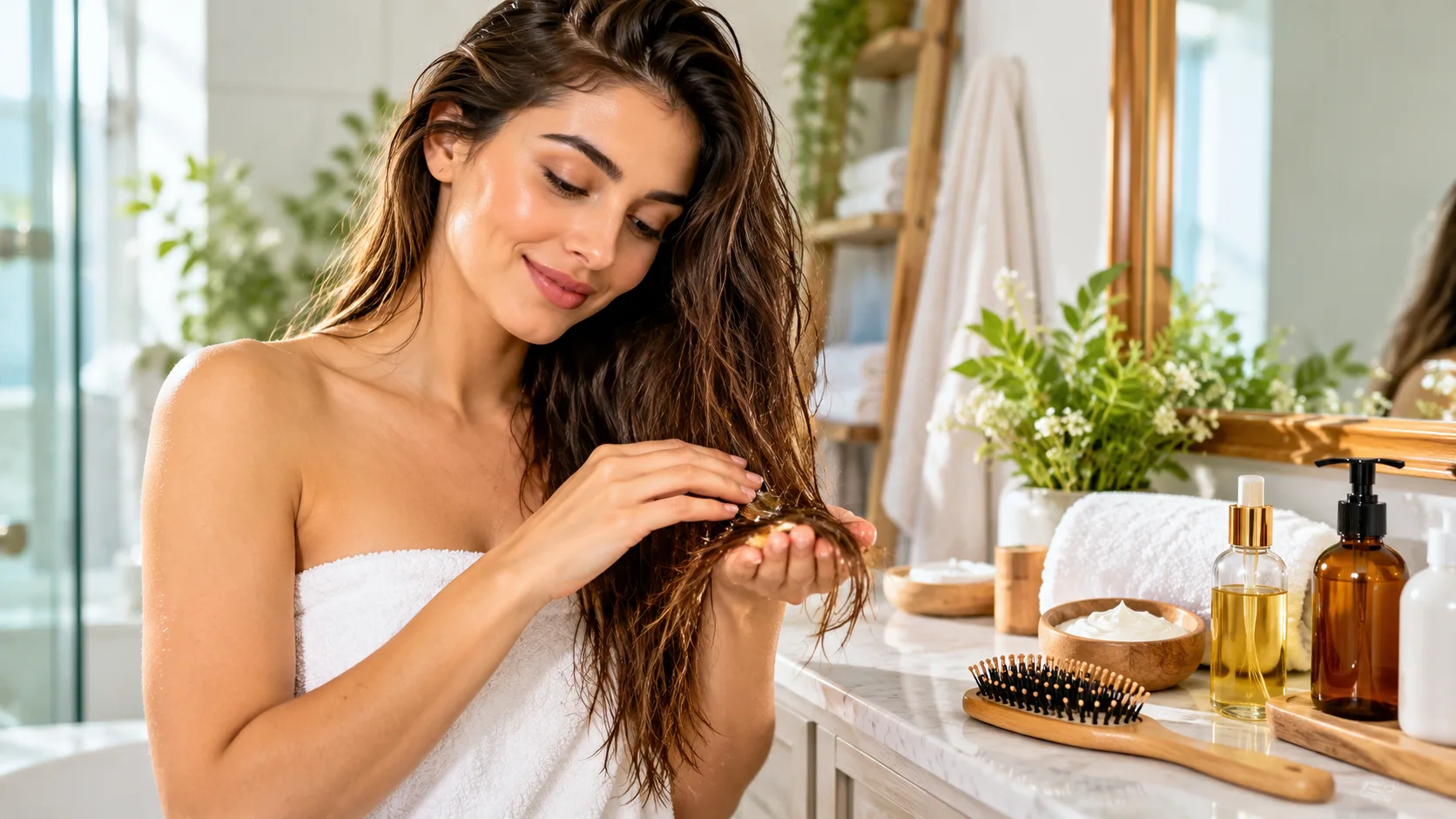
Dry hair can feel rough, look dull, and become difficult to manage, especially when it lacks enough moisture and natural oils. Heat styling, harsh shampoos, environmental conditions, and everyday hair habits can make dryness worse over time. Fortunately, understanding your hair’s needs and making gentle changes to your routine can help improve softness, manageability, and overall hair health.
Whether your hair is naturally dry, curly, chemically treated, or damaged by frequent styling, a consistent hair care routine can make a noticeable difference. The following dry hair care tips explain how to maintain moisture, reduce breakage, and keep your hair feeling comfortable without relying on complicated treatments.
Understanding What Causes Dry Hair
Dry hair develops when the hair shaft lacks sufficient lubrication or struggles to retain moisture. Natural oils produced by the scalp help coat hair strands, but these oils may not reach the ends of longer, curly, or tightly coiled hair easily. As a result, certain hair types naturally experience more dryness than others and may need additional conditioning.
External factors also contribute to moisture loss and rough hair texture. Frequent blow-drying, straightening, coloring, and exposure to strong sunlight can damage the protective outer layer of the hair. When this cuticle becomes disrupted, hair may feel coarse, tangle more easily, and become increasingly vulnerable to breakage during brushing or styling.
Hair care habits can either improve or worsen these conditions. Washing too frequently with strong cleansers, skipping conditioner, and handling wet hair roughly may increase dryness. Identifying the main causes helps you choose suitable products and develop a routine that supports healthier-looking, softer, and more manageable hair over time.
Choose a Gentle Shampoo for Dry Hair
Choosing the right shampoo is one of the most important steps in managing dry hair. A gentle, moisturizing shampoo removes dirt, sweat, and product buildup without leaving hair feeling excessively stripped. Look for formulas specifically designed for dry or damaged hair, especially those containing conditioning ingredients that improve softness and reduce friction.
Shampoos containing glycerin, panthenol, and mild cleansing agents may help hair feel more comfortable after washing. Sulfate-free products can be useful for some people, although sulfate-containing shampoos are not automatically harmful. The best option depends on your scalp condition, hair texture, washing frequency, and how your hair responds to different formulations.
Apply shampoo mainly to your scalp rather than rubbing it aggressively through your hair lengths. As the shampoo rinses away, it usually cleans the remaining strands sufficiently. This approach reduces unnecessary friction and helps prevent additional dryness, particularly around the mid-lengths and ends where hair is often more fragile.
Avoid Washing Your Hair Too Frequently
Washing hair too often can contribute to dryness, especially when strong cleansing products are used repeatedly. Shampoo removes accumulated oil and dirt, but it also removes some of the natural oils that help lubricate hair. For people with naturally dry hair, unnecessary washing may leave strands feeling rough or difficult to manage.
There is no universal washing schedule that suits every hair type. Fine hair and oily scalps may need more frequent cleansing, while curly, coily, or very dry hair may remain comfortable with longer intervals. Your activity level, scalp health, climate, and use of styling products also influence how often shampooing is appropriate.
Pay attention to signs that your hair needs cleansing, such as noticeable oil buildup, sweat, dirt, or an uncomfortable scalp. Avoid delaying washing when your scalp becomes itchy or heavily coated with products. The goal is to balance cleanliness with moisture retention rather than follow a strict schedule that does not suit your needs.
Use a Moisturizing Conditioner After Shampooing
Conditioner plays an essential role in a dry hair care routine because it reduces friction and improves the feel of the hair surface. Conditioning ingredients help strands become smoother, softer, and easier to detangle. Regular conditioning can also reduce breakage caused by rough handling and help hair look shinier after washing.
Look for conditioners containing ingredients such as fatty alcohols, glycerin, shea butter, or conditioning silicones. These ingredients serve different purposes, including improving slip, reducing moisture loss, and smoothing the hair cuticle. Richer formulas may benefit coarse or highly textured hair, while lightweight conditioners can work better for fine strands.
Apply conditioner primarily to the lengths and ends, where dryness is often most noticeable. Follow the product’s instructions before rinsing, and use enough to distribute it evenly without unnecessary pulling. If your hair feels dry after washing, consider a more conditioning formula rather than simply applying excessive amounts of several different products.
Add Deep Conditioning Treatments to Your Routine
Deep conditioning treatments can be useful when ordinary conditioners do not leave hair feeling sufficiently soft. These products often contain richer conditioning ingredients that coat hair strands and improve their texture. They may be particularly helpful for hair exposed to frequent styling, coloring, environmental stress, or mechanical damage.
Hair masks containing shea butter, coconut oil, fatty alcohols, and other conditioning agents can temporarily improve softness and manageability. However, deep conditioners cannot permanently repair every form of structural hair damage. Their main benefits involve reducing friction, improving the feel of the hair surface, and making vulnerable strands easier to handle.
Use a deep conditioner according to its label and adjust the frequency based on your hair’s response. Some people enjoy using a mask weekly, while others need it less often. If your hair becomes heavy, coated, or difficult to style, reduce the amount or frequency and return to a simpler conditioning routine.
Apply Leave-In Conditioner for Extra Moisture Support
Leave-in conditioner is a practical addition to many dry hair routines because it remains on the hair after washing. Unlike rinse-out conditioner, it continues to reduce friction and improve manageability between wash days. It can be especially useful for curly, textured, long, or tangle-prone hair that benefits from additional lubrication.
Many leave-in products contain conditioning agents, humectants, and lightweight oils that help hair feel smoother. Cream-based formulas may work well for thicker strands, while sprays and light lotions can suit finer hair. Choosing an appropriate texture helps avoid excessive buildup while still supporting softness and easier detangling throughout the day.
Apply leave-in conditioner to damp hair, concentrating on the lengths and ends rather than automatically covering the scalp. Begin with a modest amount and distribute it gently using your fingers or a suitable comb. Follow the product directions, and avoid applying regular rinse-out conditioner as a leave-in unless its label specifically allows that use.
Use Hair Oils to Reduce Dryness and Friction
Hair oils can improve the appearance and feel of dry hair by adding lubrication and reducing surface friction. Some oils also help limit the amount of water absorbed or lost during washing and drying. However, oils do not hydrate hair in the same way that water does, and different hair types respond differently to oil-based products.
Coconut oil has been studied for its ability to penetrate hair fibers and reduce protein loss in certain circumstances. Argan oil and other cosmetic oils are commonly used to improve shine and smoothness, although evidence varies by ingredient. Heavy oils may weigh down fine hair, so choosing a suitable amount and formulation matters.
For dry ends, a small amount of hair oil can help reduce a rough appearance after conditioning. Avoid assuming that more oil always means healthier hair, because excessive application may cause buildup. Products marketed as natural are not necessarily irritation-free, so discontinue any oil that causes itching, redness, or other discomfort.
Reduce Heat Styling to Prevent Further Dryness
Heat styling can make hair feel drier and more fragile when used frequently or at high temperatures. Straighteners, curling irons, and blow-dryers can damage the cuticle and weaken hair fibers. Repeated exposure may lead to increased tangling, dullness, split ends, and breakage, particularly when hair is already chemically treated.
Reducing the frequency of heat styling is one of the simplest ways to limit additional damage. When using a blow-dryer, choosing a moderate temperature and maintaining some distance from the hair can help reduce excessive heat exposure. Avoid using heated straightening or curling tools on wet hair unless they are specifically designed for that purpose.
Heat protectant products may reduce some styling-related damage, but they cannot make very high temperatures completely harmless. Follow the directions on both styling tools and protective products. Gentle air-drying or low-heat styling, when suitable for your hair type, can help maintain a smoother appearance without repeated exposure to intense heat.
Wash Your Hair With Lukewarm Water
Water temperature can influence how comfortable your hair and scalp feel during washing. Very hot water may contribute to dryness or irritation for some people, especially when combined with frequent shampooing. Lukewarm water is generally a comfortable choice that allows cleansing without unnecessary exposure to intense heat.
Using extremely cold water is not necessary to achieve shiny or healthy hair. Although cool rinses are sometimes promoted as a way to seal the cuticle, evidence for a special sealing effect is limited. Conditioner choice, cuticle condition, and gentle handling are more important for improving the overall appearance of dry strands.
During washing, focus on using a comfortable water temperature and avoiding vigorous rubbing. Gently massage the scalp with your fingertips and allow the water to rinse products thoroughly. These habits help maintain cleanliness while minimizing mechanical stress that could otherwise contribute to tangling and breakage.
Dry Your Hair Gently After Washing
Wet hair requires careful handling because its physical properties change when it absorbs water. Rough towel drying can increase friction, disturb the cuticle, and encourage tangling. Hair that is already dry or damaged may be particularly vulnerable to breakage when pulled or rubbed aggressively.
Instead of rubbing with a conventional towel, gently squeeze excess water from the hair. A soft microfiber towel or smooth cotton fabric can help absorb moisture with less friction. Avoid twisting the hair tightly or leaving it under excessive tension while it dries, especially if strands are fragile.
Drying methods should also consider your scalp and hair texture. Leaving hair damp for long periods may be uncomfortable for some people, while vigorous blow-drying can cause additional damage. A gentle combination of towel blotting and controlled drying often provides a practical balance between convenience and careful hair handling.
Detangle Dry Hair Without Causing Breakage
Dry hair often develops knots because rough surfaces and insufficient lubrication increase friction between strands. Pulling forcefully through tangles can damage the hair shaft and cause breakage. Choosing a gentle detangling method is particularly important for long, curly, coily, or chemically treated hair.
Use a suitable conditioner or detangling product to improve slip before working through stubborn knots. Start near the ends and gradually move toward the roots, separating small sections rather than pulling through large tangles. Fingers, wide-tooth combs, or specialized detangling brushes may be useful depending on your hair texture.
The best time to detangle varies by hair type. Curly and tightly coiled hair may be easier to detangle while conditioned and damp, whereas some fine or straight hair types benefit from careful detangling before washing. Focus on minimizing pulling, friction, and unnecessary tension rather than following one universal rule.
Protect Your Hair While Sleeping
Nighttime friction can contribute to tangles, frizz, and breakage, especially when hair is already dry. Repeated contact with bedding may disturb hairstyles and make strands difficult to manage the following morning. Protective nighttime habits can help reduce mechanical stress without requiring an elaborate routine.
A smooth satin or silk pillowcase may reduce friction compared with rougher fabrics. Loose braids, gentle twists, or comfortable protective styles can also help keep longer hair from becoming tangled. Avoid tight hairstyles or uncomfortable accessories that pull on the roots throughout the night.
Hair coverings and protective styles should fit comfortably and allow the scalp to remain clean and healthy. If a bonnet, scarf, or hair tie causes tension or irritation, try a looser alternative. Consistent gentle handling is more important than purchasing expensive accessories marketed as essential for healthy hair.
Trim Split Ends and Manage Existing Hair Damage
Split ends occur when the protective structure of the hair fiber becomes worn or damaged. They are common in older hair lengths that have experienced brushing, heat, coloring, and environmental exposure. Because hair shafts are not living tissue, split ends cannot permanently repair themselves through ordinary cosmetic products.
Conditioners and serums may temporarily smooth the appearance of split ends, but trimming removes the damaged portion. The appropriate trimming frequency depends on hair condition, styling habits, and personal preferences. There is no fixed schedule that everyone must follow to maintain healthy-looking hair.
Trimming does not directly change how quickly hair grows from the scalp. However, removing severely damaged ends may reduce tangling and prevent some additional breakage along the hair length. Combining occasional trims with gentle cleansing, conditioning, and careful styling can help maintain the appearance of longer hair.
Protect Dry Hair From Sun and Environmental Exposure
Environmental conditions can influence hair texture and moisture retention. Strong sunlight, low humidity, wind, and repeated exposure to saltwater or chlorinated pools may contribute to dryness and roughness. Hair that is colored, bleached, or already damaged can be more sensitive to these external stressors.
Protective accessories such as hats and scarves can limit direct exposure to sunlight and wind. When swimming, rinsing hair with fresh water afterward helps remove salt or pool chemicals. Applying a suitable conditioner can also improve softness following activities that leave hair feeling rough or tangled.
Seasonal changes may require small adjustments to your usual hair care products. Dry winter air might make richer conditioners more comfortable, while hot weather may increase the need for scalp cleansing. Adapt your routine according to how your scalp and strands feel rather than relying on complicated seasonal rules.
Support Hair Health With Balanced Nutrition
Hair growth depends on adequate nutrition because hair follicles require energy, protein, and essential nutrients. A varied diet containing sufficient protein, iron, zinc, and vitamins supports normal hair growth and overall health. Nutritional deficiencies can sometimes contribute to increased shedding or changes in hair quality.
Foods such as eggs, beans, lentils, fish, nuts, fruits, and vegetables can contribute different nutrients to a balanced eating pattern. However, no single food or ingredient can instantly reverse dry hair. Hair texture is influenced by genetics, grooming practices, environmental exposure, and other factors beyond nutrition alone.
Drinking enough fluids is important for general health, but consuming extra water does not directly moisturize the hair shaft. Similarly, supplements are not automatically necessary for dry hair and may cause problems when taken unnecessarily. If persistent hair changes accompany fatigue, unusual shedding, or other symptoms, a healthcare professional can assess possible nutritional concerns.
Avoid Harsh Chemical Treatments and Excessive Processing
Chemical treatments can alter the structure of hair to change its color, curl pattern, or smoothness. Bleaching, permanent coloring, relaxing, and perming may weaken hair fibers when used frequently or incorrectly. Repeated processing can increase porosity, breakage, tangling, and the appearance of dryness.
People with chemically treated hair often benefit from gentle cleansing and consistent conditioning. Products formulated for damaged or color-treated hair may improve manageability and reduce surface friction. However, cosmetic treatments cannot fully reverse severe structural damage caused by bleaching or other chemical processes.
When considering chemical services, qualified professionals can help assess hair condition and explain potential risks. Avoid overlapping strong treatments unnecessarily or using products outside their instructions. If your scalp develops burning, irritation, or unusual sensitivity during a chemical procedure, discontinue exposure and seek appropriate professional advice.
Understand the Difference Between Dry Hair and a Dry Scalp
Dry hair and a dry scalp are related concerns, but they are not the same condition. Dry hair describes strands that lack sufficient lubrication or feel rough and brittle. A dry scalp involves the skin beneath the hair and may cause tightness, flaking, or itching.
Scalp flaking does not always mean the skin needs additional oil. Dandruff, seborrheic dermatitis, eczema, and other conditions may produce similar symptoms. Applying heavy oils without identifying the cause can sometimes worsen buildup or irritation rather than resolve the underlying problem.
If scalp symptoms persist, worsen, or include significant redness and discomfort, consider speaking with a dermatologist. Proper assessment helps distinguish ordinary dryness from conditions that require targeted treatment. Maintaining a healthy scalp and conditioning hair lengths are both important, but they may require different products and approaches.
Build a Simple and Consistent Dry Hair Care Routine
An effective routine for dry hair does not require a large collection of expensive products. A gentle shampoo, suitable rinse-out conditioner, and optional leave-in treatment can meet many everyday needs. Additional products are most useful when they address a specific concern such as tangling, heat exposure, or rough ends.
Consistency matters because hair responds to repeated grooming habits over time. Gentle handling, appropriate cleansing, and regular conditioning can improve manageability while limiting additional damage. Switching products too frequently may also make it difficult to determine which ingredients or formulations suit your hair.
Evaluate your routine based on comfort, softness, ease of detangling, and the amount of breakage you notice. Adjust products when your hair feels coated, excessively dry, or difficult to manage. The best dry hair routine is one that matches your texture, scalp condition, lifestyle, and personal preferences.
Conclusion
Managing dry hair begins with understanding why strands become rough, brittle, or difficult to handle. Natural hair texture, heat styling, chemical treatments, and environmental exposure can all influence dryness. Gentle cleansing and appropriate conditioning form the foundation of a practical hair care routine.
Moisturizing conditioners, leave-in products, careful detangling, and reduced heat exposure can help improve softness and manageability. Occasional deep conditioning treatments may also benefit hair that experiences frequent dryness. The goal is to minimize unnecessary damage while keeping hair and scalp comfortable.
Healthy-looking hair does not require a complicated routine or expensive products. Consistent care, balanced nutrition, and attention to your individual hair needs are more important than following every new hair care trend. With gentle habits, dry hair can become easier to manage and feel smoother over time.
Frequently Asked Questions
What Is the Best Way to Moisturize Dry Hair?
Using a moisturizing rinse-out conditioner after shampooing is a helpful starting point. A suitable leave-in conditioner can further reduce friction and improve softness, particularly for curly or frequently tangled hair.
How Often Should You Wash Dry Hair?
Washing frequency depends on hair texture, scalp condition, activity level, and product buildup. Naturally dry or coily hair may need less frequent shampooing, while an oily or sweaty scalp often requires more regular cleansing.
Which Oil Is Best for Dry Hair?
Coconut oil may help reduce protein loss in some hair types, while cosmetic oils such as argan oil can improve shine and smoothness. The best choice depends on hair texture, sensitivity, and product preference.
Can Dry Hair Become Soft Again?
Yes, conditioning treatments and gentle grooming can improve the softness and manageability of dry hair. However, severely damaged hair fibers cannot completely regenerate, and split ends generally require trimming.
What Should You Avoid if You Have Dry Hair?
Avoid excessive heat, aggressive towel rubbing, forceful detangling, and unnecessary chemical processing. Also, be cautious with cleansing products that leave your hair feeling stripped, tangled, or uncomfortable after washing.