
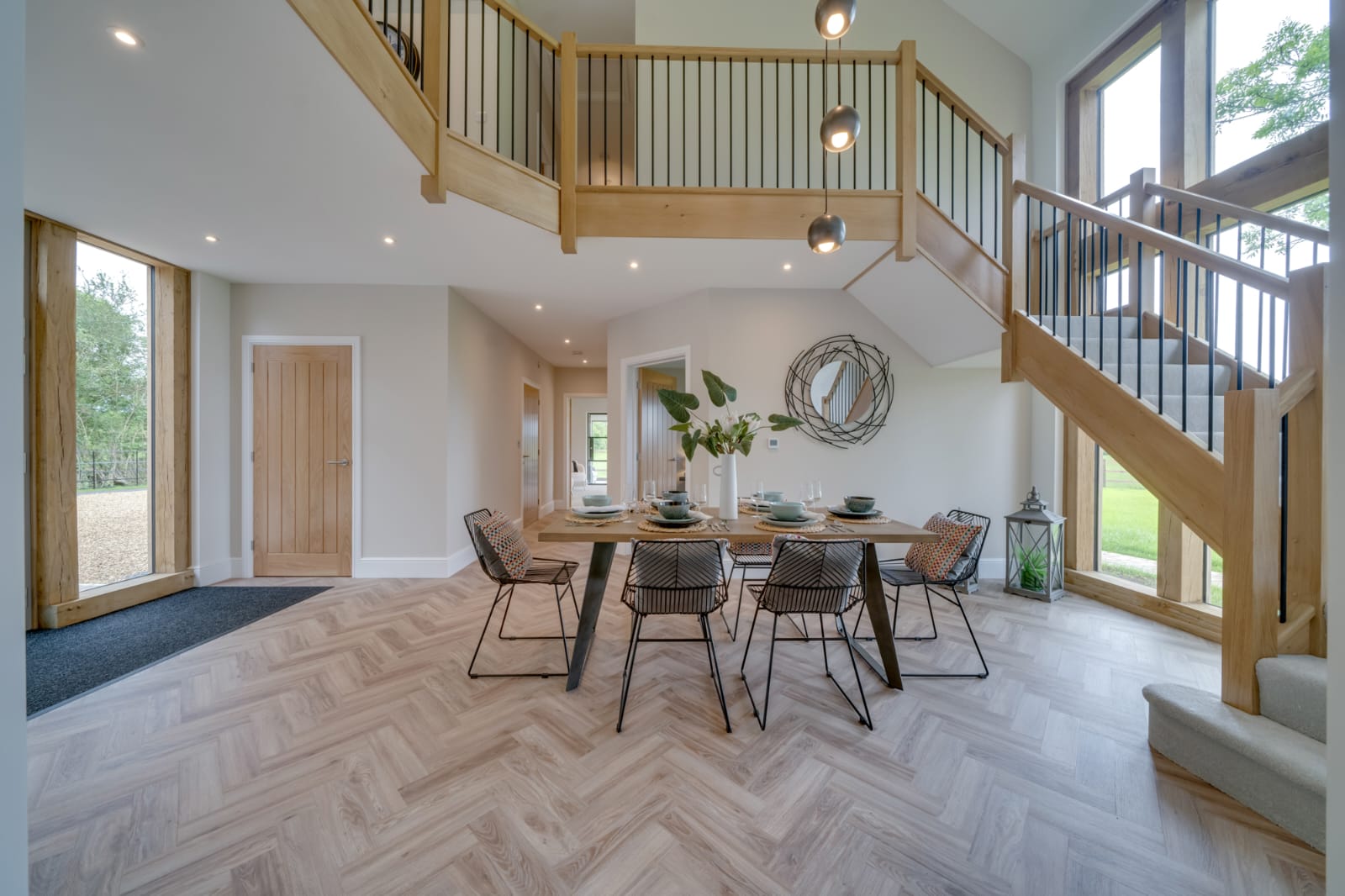
A staircase is much more than a practical connection between floors. It can become one of the most distinctive architectural features in a home, influencing the character, flow, and visual appeal of the surrounding interior. For homeowners looking to combine natural beauty with individual design, bespoke oak staircases offer an attractive and versatile solution.
Oak has been used in furniture and interior architecture for generations because of its distinctive grain, strength, and timeless appearance. When carefully designed and professionally crafted, an oak staircase can complement traditional properties, contemporary homes, renovations, and many different interior styles.
What Are Bespoke Oak Staircases?
A bespoke staircase is designed and manufactured specifically for an individual property rather than selected as a standard, mass-produced product. This allows homeowners and designers to consider the dimensions, layout, materials, finishes, and architectural character of the space.
Bespoke oak staircases can be created around specific requirements, including:
- Staircase dimensions
- Floor-to-floor height
- Available space
- Staircase configuration
- Tread design
- Handrails
- Newel posts
- Balustrades
- Finishes
- Decorative details
This level of customization can make a staircase feel like an integrated part of the home’s architecture.
Why Choose Oak?
Oak is a popular material for staircases because of its combination of appearance and durability. Its natural grain provides character, while its strength makes it suitable for demanding interior applications when properly specified and constructed.
Oak can also work with a variety of design styles. A traditional staircase may highlight the natural grain and classic detailing, while a contemporary design can use cleaner lines and minimalist components.
The versatility of oak makes it suitable for many different interiors.
Natural Character and Grain
One of the most appealing features of oak is its natural appearance. Each piece of timber has its own grain patterns, knots, tones, and subtle variations.
These characteristics give an oak staircase a natural individuality that manufactured materials may not replicate in the same way.
Depending on the desired look, oak can be finished to emphasize its natural grain or treated to achieve a particular color or appearance.
Designed Around Your Home
Every property has different architectural characteristics. A staircase that works perfectly in one home may not be appropriate for another.
Bespoke design allows the staircase to be developed around the available space and existing architecture.
For example, a staircase for a traditional property may incorporate classic detailing, while a modern renovation could benefit from a simpler structure with clean lines.
The goal is to create a staircase that looks intentional rather than simply occupying an available area.
Different Staircase Configurations
Bespoke oak staircases can be designed in different configurations depending on the property’s layout.
Common arrangements include:
- Straight staircases
- L-shaped staircases
- U-shaped staircases
- Winder staircases
- Split staircases
- Open-riser designs
The available space and structural requirements will influence which configuration is suitable.
A professional designer or staircase specialist can evaluate the space and discuss practical options.
Oak Treads
Stair treads are one of the most visible parts of a staircase. Oak treads can provide a warm, natural appearance and can be finished in different ways.
Options may include:
- Natural finishes
- Clear protective finishes
- Stained oak
- Oiled finishes
- Painted combinations
The appropriate finish depends on the desired appearance and expected use.
Handrails and Balustrades
A staircase’s handrail and balustrade can significantly influence its overall appearance.
Oak handrails can create a cohesive natural design, while combinations of oak with glass, metal, or painted components can produce a more contemporary look.
For example, oak handrails paired with glass panels can provide a visually open staircase, while traditional timber spindles can create a more classic appearance.
Combining Oak With Glass
Glass has become a popular choice for contemporary staircase designs. When combined with oak, it can create a balance between warmth and modern simplicity.
Oak provides natural texture and character, while glass can allow more light to pass through the staircase area.
This combination can work particularly well in open-plan interiors where maintaining a sense of space is important.
Combining Oak With Metal
Metal components can also be paired with oak to create a contemporary staircase.
Black or other metal finishes can contrast with natural timber and create a visually distinctive feature.
Metal balustrades can be particularly effective in modern homes, loft-style interiors, and renovation projects.
Suitable for Traditional Homes
Although oak is frequently associated with classic interiors, it is equally suitable for traditional properties.
In period homes, an oak staircase can complement existing architectural features such as:
- Wooden flooring
- Exposed beams
- Paneling
- Traditional doors
- Classic furniture
Careful detailing can help the staircase feel consistent with the character of the property.
Suitable for Modern Interiors
Bespoke oak staircases can also work exceptionally well in modern homes.
A contemporary design might feature:
- Simple geometry
- Minimalist handrails
- Open risers
- Glass balustrades
- Metal accents
- Clean oak surfaces
The result can be a staircase that combines natural material with modern architectural styling.
Making Efficient Use of Space
One of the advantages of bespoke design is the ability to work with challenging layouts.
Homes may have unusual dimensions, limited floor space, low ceilings, or awkward openings. A customized staircase can be designed around these constraints.
However, safety, building regulations, structural requirements, and appropriate dimensions must remain priorities.
Professional Craftsmanship
A staircase needs to be accurately designed and manufactured. Small dimensional errors can affect installation and usability.
Professional staircase specialists can take precise measurements and develop drawings before production.
The manufacturing process may involve carefully selecting timber, cutting components, shaping handrails, assembling sections, and applying the chosen finish.
Quality craftsmanship contributes to both appearance and long-term performance.
Choosing the Right Finish
Oak can be finished in numerous ways. The choice can significantly change the appearance of the staircase.
A clear finish can highlight natural grain, while a darker stain can create a more dramatic appearance.
Some homeowners prefer a subtle finish that allows the timber’s natural characteristics to remain prominent.
Consider the staircase alongside existing:
- Flooring
- Doors
- Furniture
- Wall colors
- Cabinetry
- Lighting
Creating a coordinated palette can make the staircase feel like part of the overall interior design.
Maintenance Requirements
Like other natural timber features, oak staircases benefit from appropriate care.
Regular maintenance may include:
- Removing dust
- Cleaning spills promptly
- Using suitable cleaning products
- Checking high-use areas
- Maintaining protective finishes
The exact maintenance requirements depend on the type of oak and finish used.
Following the manufacturer’s or craftsman’s care recommendations can help preserve the staircase’s appearance.
Adding Value and Character
A well-designed staircase can become a major visual feature of a home. Bespoke workmanship may also provide a level of individuality that standard staircase systems cannot offer.
While homeowners should not assume that any particular staircase will automatically increase property value, a high-quality architectural feature can contribute to the overall appeal and presentation of a property.
Planning a Bespoke Staircase
If you’re considering an oak staircase, start by identifying your priorities.
Think about:
- The available space.
- Your preferred staircase style.
- Existing interior materials.
- Desired oak finish.
- Balustrade preferences.
- Budget.
- Maintenance expectations.
Discuss these details with an experienced staircase designer or manufacturer before finalizing the design.
Conclusion
Bespoke oak staircases combine natural timber, personalized design, and practical functionality to create distinctive features for residential interiors. Oak’s strength, grain, versatility, and timeless character make it suitable for traditional homes as well as contemporary properties.
From straight and curved layouts to combinations of oak, glass, and metal, bespoke staircases can be tailored to suit individual spaces and design preferences. Careful planning, accurate measurements, quality craftsmanship, and an appropriate finish are essential for achieving the best results.
For homeowners planning a renovation, extension, new build, or interior upgrade, a custom oak staircase can provide much more than a route between floors. It can become a defining architectural element that brings warmth, character, and lasting visual appeal to the home.