
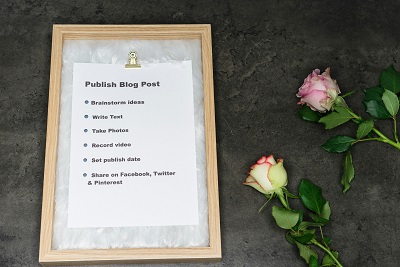
Blogging has evolved significantly since its inception, transforming from simple online diaries into a powerful tool for personal expression and professional communication. As of recent years, the popularity of blogging has skyrocketed, with millions of people across the globe engaging in this medium to share their ideas, experiences, and expertise. This rise in popularity can be attributed to the increasing accessibility of the internet and the growing desire for individuals to connect with like-minded audiences. At its core, blogging is about creating and sharing content that resonates with readers. For new bloggers, understanding the significance of creating unique and engaging content is paramount. High-quality content fosters connection and encourages interaction between the blogger and their audience. This relationship is vital, as it can lead to a loyal following and increased visibility in a crowded online space.
Moreover, having fresh and relevant content ideas is essential for maintaining audience interest and engagement. New bloggers might feel overwhelmed by the vastness of topics available to explore. However, focusing on the needs and preferences of their target audience is a straightforward strategy to generate compelling content. By conducting thorough research to identify trending themes and audience interests, bloggers can create posts that not only attract visitors but also encourage them to return for more.
In summary, the importance of blogging cannot be understated, particularly for those who are new to this dynamic field. By focusing on creating relevant and impactful content, bloggers can carve out their niche in the digital landscape, ensuring their messages resonate and endure amidst the competition. As we delve into the best content ideas for new bloggers, it is essential to keep in mind these foundational elements that contribute to successful blogging endeavors.
Identifying Your Niche
Identifying a niche is a fundamental step for new bloggers aiming to create engaging and relevant content. A well-defined niche not only helps in attracting a specific audience but also aligns with the blogger’s personal interests and expertise. This alignment plays a crucial role in maintaining motivation and ensuring the authenticity of the content produced.
First, new bloggers should reflect on their personal passions, skills, and experiences to identify potential niche topics. Consider what subjects you are knowledgeable about or interested in pursuing further. Questions to ponder include: What topics do you enjoy discussing with others? What are your hobbies? By answering these questions, you can establish a list of possible niches that resonate with your interests.
Next, it is important to evaluate audience demand for those identified niches. Conducting thorough research on potential topics will help in determining their popularity and marketability. Tools such as Google Trends, social media platforms, and keyword research tools can be invaluable in this process. By investigating trending topics within your areas of interest, you can gauge audience engagement and discover what content is currently captivating readers.
Additionally, engaging with online communities related to potential niches can offer insights into audience needs and preferences. Participate in forums, social media groups, or blogs, where discussions can provide valuable perspectives on what readers are seeking in your niche. This not only helps in refining your niche but also establishes connections with other bloggers and potential readers, thus facilitating network growth.
A well-chosen niche can significantly enhance a blog’s visibility and attract a loyal readership. By aligning personal passions with audience demand and conducting diligent research, new bloggers will set the foundation for successful content creation that resonates with both themselves and their audience.
Content Ideas for Personal Experiences and Stories
In the realm of blogging, sharing personal experiences can significantly enhance the connection between the writer and the audience. Personal anecdotes allow readers to engage with the author on a deeper level, providing relatable content that resonates with their own lives. This approach to content creation fosters authenticity and trust, essential elements in developing a loyal readership.
One effective technique for incorporating personal experiences into blog posts is recounting pivotal moments in one’s life. For instance, a blogger might describe their journey through a challenging period, such as overcoming a significant obstacle or transition. By detailing the emotions, thoughts, and lessons learned during that time, the writer not only shares their story but also invites readers to reflect on their experiences, encouraging them to connect emotionally.
Additionally, bloggers can weave personal stories around specific themes or interests. For example, if a writer has a passion for cooking, they may share a nostalgic tale about learning to make a family recipe. This narrative could include sensory details that transport the reader to the moment—capturing the sights, sounds, and flavors that define that experience. Such stories not only entertain but also enrich readers’ understanding of the author’s background and interests.
Moreover, these personal narratives can serve as catalysts for broader discussions. A blogger writing about a travel experience may address themes of cultural differences or personal growth, leading to posts that inspire reflection and dialogue among readers. By creating a space for shared experiences and insights, bloggers enhance reader engagement and community building.
Incorporating personal anecdotes into blog posts transforms them from mere informational articles into compelling stories that draw readers in. By sharing these experiences thoughtfully and sincerely, bloggers can cultivate a strong, relatable presence in the blogging community.
Topical and Trend-Based Content
One of the most effective strategies for new bloggers is to focus on topical and trend-based content. This approach not only engages your audience but also positions you as an informed voice within your niche. By writing about current trends, news, or events relevant to your blogging focus, you can attract a broader audience eager for the latest updates and insights.
To successfully integrate topical content into your blog, it is essential to stay informed about the developments within your niche. This can be achieved through various means, such as subscribing to related newsletters, following industry leaders on social media, and using news aggregation services to gather trending stories. Keeping an ear to the ground enables you to respond swiftly to emerging topics, ensuring your content remains relevant.
Once you identify a trend, consider how it relates to your audience and the overall theme of your blog. Content that connects these trending topics with your existing themes can provide greater value and foster deeper engagement. For instance, if you are a fitness blogger and there is a surge in awareness about a new workout regimen, creating a post that analyzes this trend, shares personal experiences, or offers practical tips can be insightful for your readers.
Furthermore, utilizing SEO techniques can enhance the visibility of your blog posts on these trendy subjects. Incorporating keywords associated with current events can attract organic traffic from search engines, as users seek up-to-date information. However, it is crucial to maintain authenticity; your perspective should be unique, fostering a true connection with your audience.
By prioritizing topical and trend-based content, you not only enhance your blog’s relevance but also invite ongoing conversations within your community, paving the way for future topics and growth.
How-To Guides and Tutorials
For new bloggers, one of the most effective content ideas is to create how-to guides and tutorials. These instructional pieces not only serve to educate your audience but also establish you as an authority in your niche. By providing detailed, step-by-step instructions on various topics relevant to your readers, you encourage engagement and foster trust.
When considering what types of tutorials are popular, it’s essential to look at your target audience’s needs and preferences. Some popular categories include DIY projects, cooking recipes, tech troubleshooting, and personal development tips. A how-to guide in any of these areas can attract significant traffic due to their practical nature. Additionally, integrating visuals, such as images or videos, can enhance the learning experience, making your guides more accessible and enjoyable.
Structuring a how-to guide effectively is crucial for maintaining reader interest and maximizing engagement. Begin with a catchy title that clearly indicates the value of the guide. Next, provide a brief introduction that outlines the objective and significance of the tutorial. Following this, list all the necessary materials or prerequisites needed to complete the task at hand. The main body should consist of numbered steps or bullet points that describe the process in a straightforward manner. Each step should be concise and actionable, allowing readers to follow along easily.
Finally, consider incorporating a conclusion that summarizes the key takeaways or suggests additional resources related to the topic. This not only reinforces the information presented but also encourages readers to explore further in the content on your blog. By focusing on clear, informative how-to guides and tutorials, new bloggers can create highly valuable content that resonates well with their audience and drives engagement.
Listicles: Why They Work
Listicles have become increasingly popular in the blogging world, as they cater to the modern reader’s preference for easily digestible content. This format, which presents information in a numbered or bulleted list, is particularly effective for various reasons. First and foremost, listicles allow bloggers to convey a substantial amount of information in a concise manner, making it easier for readers to grasp the main points quickly.
One of the primary appeals of listicles lies in their structured nature. Readers often appreciate content that is organized and predictable, as it reduces the effort required to locate specific information. This format encourages skimming and scanning, which are essential techniques employed by online readers who may not have the time or inclination to engage with lengthy prose. The presence of clear headings and bullet points inherently draws the eye, encouraging readers to delve deeper into each list item.
Moreover, listicles can enhance reader engagement through their interactive potential. Readers are often more likely to share list-oriented content on social media, which can amplify a blog’s reach and visibility. Additionally, the potential to include visuals, such as images or infographics, within a listicle can further enrich the reader’s experience and retention of information.
Examples of successful listicle ideas may vary by niche. For instance, personal finance bloggers might create “10 Smart Ways to Save Money on Groceries,” while food bloggers could craft “5 Quick and Easy Dinner Recipes for Busy Weeknights.” These concepts not only provide readers with practical tips but also cater to their need for speed and efficiency in finding useful advice.
Interviews and Expert Opinions
Engaging in interviews with experts in your chosen niche is an effective strategy for new bloggers seeking to create compelling content. This practice not only positions you as a knowledgeable source but also amplifies the credibility of your blog. By incorporating expert opinions, you can provide your audience with valuable insights and a broader understanding of the topic at hand.
To successfully conduct interviews, start by identifying key figures within your industry. This may include authors, industry leaders, or well-known bloggers whose expertise aligns with your content goals. Once you have a list of suitable candidates, reach out via email or social media platforms. When crafting your outreach message, be respectful of their time and clearly articulate the benefits of participating in your interview. Highlight how their insights can contribute positively to your audience’s knowledge.
When preparing for the interview, it is crucial to formulate well-thought-out questions that not only reflect your interest in their expertise but also engage your audience’s curiosity. Aim for open-ended questions that encourage elaboration, such as asking about trends in the industry or their personal experiences. Listening attentively during the interview will allow you to ask follow-up questions, resulting in a more organic conversation.
After conducting the interview, you can transform the dialogue into rich, engaging content. This may include a blog post summarizing the key points, standalone quotes, or even audio-visual formats such as podcasts or video segments. Presenting the information in various formats can significantly increase its reach and appeal. Further, make sure to tag and mention the interviewee when sharing content on social media to foster a relationship and potentially gain further exposure through their network.
In summary, interviews and expert opinions enrich your blogging content while establishing your authority in the niche. By carefully choosing interviewees and thoughtfully presenting their insights, you can create a diverse array of content that truly resonates with your audience.
Utilizing User-Generated Content
User-generated content (UGC) has gained considerable popularity among bloggers as it fosters community engagement and enhances the overall authenticity of a blog. Utilizing content created by readers can significantly diversify the perspectives presented in a blog, enabling bloggers to demonstrate a broader range of viewpoints, experiences, and ideas. To effectively harness user-generated content, bloggers must employ several strategies that encourage audience participation.
One effective method is to create interactive prompts, inviting readers to share their stories, opinions, or expertise related to the blog’s theme. This can be achieved through social media platforms, where users can comment directly on posts or share their content using a specific hashtag related to the blog. By doing so, bloggers can curate a collection of contributions that reflect their audience’s interests and experiences, adding depth to their content.
Additionally, hosting contests or challenges can successfully encourage user participation. For instance, bloggers could ask their readers to submit photos, essays, or videos based on a theme relevant to the blog’s niche. The selected contributions could then be featured in a dedicated blog post, showcasing the creative work of the community while also providing fresh content for the blog. This not only incentivizes contributions but also gives readers a sense of ownership and connection to the blog.
Another approach is to initiate collaborations with readers, allowing for guest posts or interviews. This fosters a sense of inclusiveness and empowers readers to share their knowledge and experiences directly. Including user-generated content in regular blog updates can maintain a dynamic atmosphere that reinforces audience loyalty, as they see their input valued and recognized.
By employing these strategies to integrate user-generated content, bloggers can enhance their content landscape while building a more engaged and connected community around their blog.
Conclusion and Encouragement for New Bloggers
As we have explored throughout this blog post, the journey of blogging is an exciting venture filled with numerous opportunities for creativity and self-expression. For new bloggers stepping into this diverse landscape, various content ideas can stimulate inspiration and facilitate the development of a unique voice. From personal experiences to tutorials, interviews, and listicles, the versatile nature of blogging allows you to choose themes that resonate with your interests and the needs of your audience.
Each suggested content idea offers distinct advantages. Personal stories foster connection, while educational posts establish credibility and provide value to readers. Additionally, engaging with current trends can attract timely discussions, enhancing reader interaction. By leveraging these concepts, new bloggers can create engaging and relevant content that not only speaks to their passion but also invites audience participation.
It is imperative to remember that success in blogging does not happen overnight. It requires dedication, consistency, and a willingness to adapt and learn. Embrace the learning curve; it is a natural part of your growth as a blogger. Interacting with fellow bloggers and participating in online communities can provide support and insights as you navigate this journey.
Moreover, do not hesitate to experiment with different formats and styles. Your unique perspective will ultimately differentiate your blog, making it stand out in a crowded digital space. Stay true to your voice, maintain your authenticity, and cultivate a strong connection with your audience. In this ever-evolving world of content creation, your enthusiasm and willingness to share will greatly contribute to your blogging success. Act on these content ideas, and allow your voice to shine through in everything you write.