
Low impact cardio is a practical way to improve heart health, build endurance, and stay physically active without placing excessive stress on your joints. Unlike high-impact exercises that involve repeated jumping or landing, low impact workouts generally keep at least one foot on the ground or use supported movements. These activities can make exercise more comfortable for beginners, older adults, and people returning to regular physical activity.
Whether you prefer walking, cycling, swimming, or using an elliptical machine, low impact cardio offers several ways to stay active. The key is choosing suitable exercises, maintaining proper form, and gradually improving your fitness. This guide explains low impact cardio benefits, common exercises, correct techniques, and practical tips for creating a comfortable workout routine.
What Is Low Impact Cardio?
Low impact cardio refers to cardiovascular exercise that reduces repetitive impact forces on the joints while increasing heart rate and breathing. Activities such as brisk walking, swimming, and stationary cycling are common examples. These exercises help the cardiovascular system work more efficiently without requiring repeated jumping. Their intensity can range from very gentle movement to challenging aerobic activity.
The term low impact describes the forces involved in movement rather than how difficult the exercise feels. For example, cycling can become physically demanding when resistance increases, even though it remains a low impact activity. Similarly, walking uphill may significantly raise your heart rate. Understanding this distinction helps you choose workouts based on both comfort and fitness goals.
Low impact cardio can be useful for people with different levels of exercise experience. Beginners may appreciate its accessibility, while experienced athletes sometimes use it for additional aerobic training. People with joint discomfort may also find certain activities easier to tolerate. However, an exercise being low impact does not automatically mean it is suitable for every injury or medical condition.
How Does Low Impact Cardio Work?
Low impact cardio works by increasing the body’s demand for oxygen during continuous or repeated movement. As muscles become more active, the heart pumps blood faster to deliver oxygen and nutrients. Breathing also increases to support the working muscles. Over time, consistent aerobic activity can improve cardiovascular endurance and make everyday physical tasks feel easier.
Different low impact exercises involve different muscle groups and movement patterns. Walking mainly engages the lower body, while swimming can involve the arms, legs, and trunk. Cycling emphasizes repeated leg movements, and elliptical training combines several coordinated actions. Despite these differences, each activity can support aerobic fitness when performed at an appropriate intensity.
The benefits depend on factors such as exercise frequency, duration, intensity, and individual health. Someone beginning a fitness routine may notice improvements from relatively short sessions. More experienced individuals might need additional challenge to continue progressing. The goal is to select a manageable level of activity and gradually develop consistency without creating unnecessary discomfort.
Benefits of Low Impact Cardio for Heart Health
One of the main low impact cardio benefits is improved cardiovascular fitness. Regular aerobic activity helps the heart and circulatory system meet the body’s oxygen demands more efficiently. Over time, this can support better endurance during walking, climbing stairs, and other everyday tasks. The benefits come from consistent movement rather than choosing the most difficult workout available.
Regular cardiovascular exercise can also support healthy blood pressure and blood vessel function. Activities such as brisk walking and cycling are commonly recommended as part of an active lifestyle. Their benefits depend on overall activity patterns and individual health conditions. People managing cardiovascular problems should follow professional advice about suitable intensity and any necessary exercise restrictions.
Low impact cardio provides options for individuals who find jumping or running uncomfortable. A person may be able to complete an enjoyable cycling session even when repeated impact feels unpleasant. This flexibility can make regular exercise more accessible. Choosing a comfortable activity is important because a routine that fits daily life is often easier to maintain.
How Low Impact Cardio Supports Joint Comfort
Low impact exercises generally reduce the repeated landing forces associated with jumping and certain running activities. This can make them appealing to people who experience discomfort during high-impact movement. Swimming and water-based activities are particularly useful because buoyancy supports some body weight. However, joint loading varies between exercises, and completely avoiding load is not always necessary or beneficial.
Movement helps joints function by supporting circulation, mobility, and the muscles surrounding them. Comfortable aerobic activities can also contribute to overall physical conditioning. For people with some forms of arthritis, suitable low impact exercise may help improve function and reduce stiffness. Exercise selection should still account for pain, swelling, mobility, and medical guidance.
Joint-friendly exercise does not mean that every movement must feel effortless. Muscles and joints benefit from appropriate activity, but sharp or increasing pain should not be ignored. Adjusting resistance, duration, or technique can make an exercise more comfortable. If discomfort repeatedly worsens, a healthcare professional or physical therapist can help identify suitable alternatives.
Best Low Impact Cardio Exercises for Beginners
Walking is one of the simplest low impact cardio exercises because it requires little specialized equipment. You can walk outdoors, use a treadmill, or move through a suitable indoor space. Begin at a pace that feels comfortable and allows normal conversation. Gradually changing your walking duration or pace can provide additional challenge as endurance improves.
Stationary cycling is another accessible option, especially for people who prefer a supported position. The bicycle allows repeated leg movement without the same landing forces associated with running. Resistance and speed can be adjusted to suit different fitness levels. A comfortable seat position and appropriate pedal setup help make cycling more enjoyable during longer sessions.
Swimming, water walking, and elliptical training provide additional low impact alternatives. Swimming reduces weight-bearing stress, while elliptical machines support smooth, continuous movement. Water-based activities can also be useful for people who prefer exercising in a pool. Beginners should choose activities they can perform safely and consistently rather than attempting every option in one workout.
Proper Form for Walking and Brisk Walking
Good walking form starts with a comfortable, natural posture rather than forcing the body into a rigid position. Keep your head facing forward and allow your shoulders to remain relaxed. Let your arms swing naturally as you move. Walking should feel controlled and balanced without unnecessary tension around the neck or upper back.
Choose a stride length that feels natural instead of deliberately taking unusually large steps. Your feet should land comfortably, and your pace should match your current ability. When increasing speed, focus on maintaining smooth movement rather than forcing longer strides. Suitable footwear can improve comfort, particularly when walking on firm surfaces for extended periods.
Brisk walking can raise your heart rate while remaining relatively accessible. A useful way to judge moderate intensity is the talk test: you can speak in sentences but would find singing difficult. Slow down if the effort feels excessive. Beginners can gradually build comfortable walking time instead of immediately attempting lengthy or demanding sessions.
Correct Form for Cycling and Elliptical Workouts
Proper cycling form begins with adjusting the bike to suit your body and movement. A seat positioned appropriately allows the knees to remain slightly bent near the bottom of the pedal stroke. The handlebars should feel comfortable to reach without excessive shoulder tension. These adjustments can help reduce unnecessary strain during repeated pedaling.
When cycling, maintain smooth pedal movements and choose resistance that allows controlled effort. Excessively high resistance may encourage awkward movement or unnecessary joint stress. Keep your upper body relatively relaxed and avoid gripping the handlebars tightly. If you experience discomfort around the knees or hips, check the equipment setup before increasing workout difficulty.
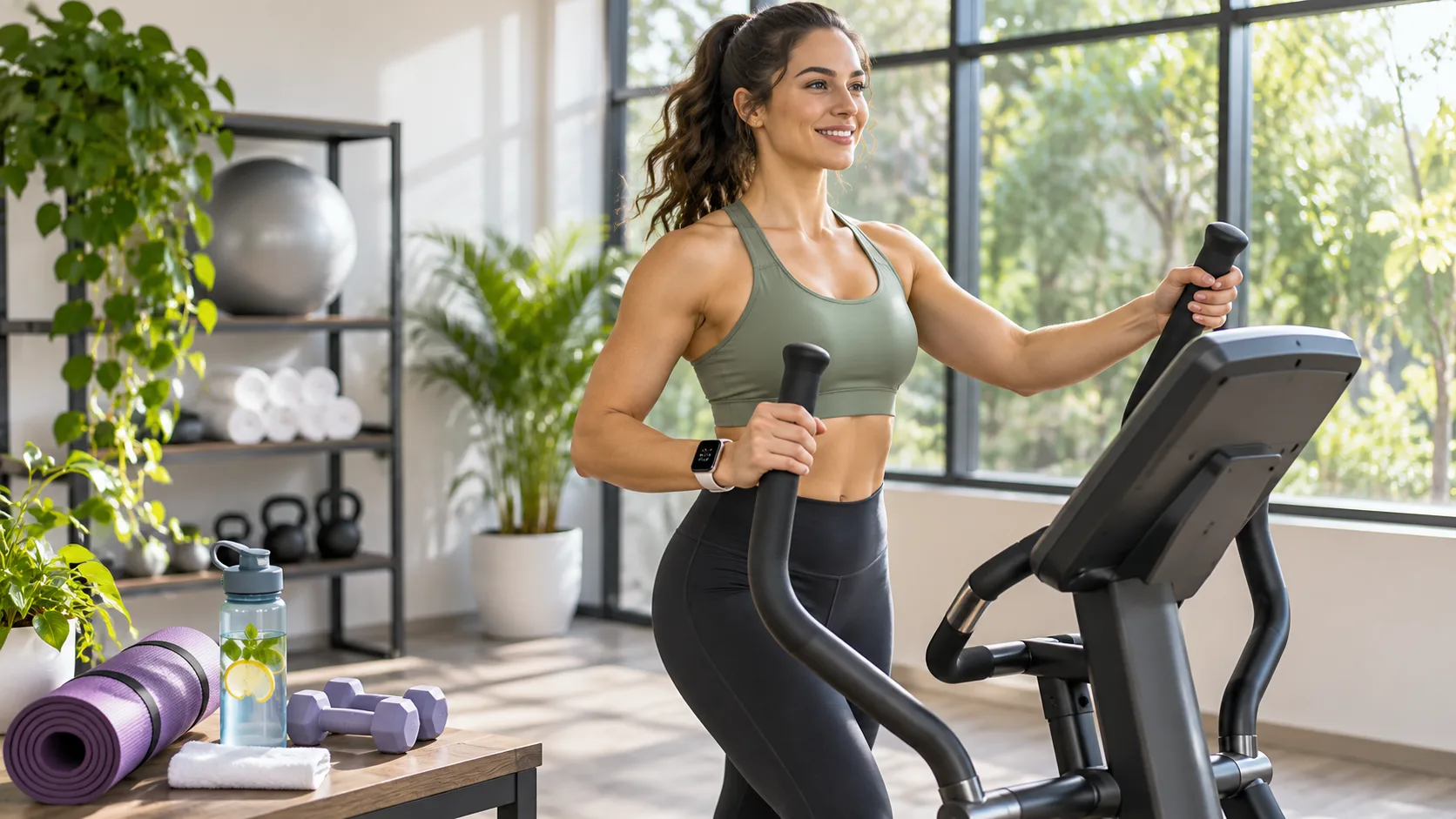
Elliptical machines provide another option for continuous cardiovascular activity. Keep your feet comfortably positioned on the pedals and allow your legs to follow the machine’s natural movement. Maintain an upright, relaxed posture and use the handles as intended. Resistance and speed should be adjusted according to comfort, coordination, and the level of effort you want.
Low Impact Cardio Exercises You Can Do at Home
Home workouts offer a convenient way to include low impact cardio without traveling to a gym. Marching in place, gentle side steps, and controlled walking movements can raise your heart rate. These activities require relatively little space and can be adjusted easily. Choosing a clear, stable exercise area helps reduce the likelihood of trips or accidental falls.
A simple home session might begin with comfortable marching before moving into alternating side steps. You can add relaxed arm movements when they feel natural and coordinated. The exercises should remain controlled rather than rushed. Beginners may find short periods of movement easier to manage while gradually building the ability to stay active longer.
Low impact home workouts can also include gentle dance movements or indoor walking routines. Music may make the activity more enjoyable, but it is not necessary for an effective session. Avoid exercises involving sudden twisting or unstable movements if they cause discomfort. Consistency and comfortable movement are more important than completing an elaborate routine.
How to Build a Low Impact Cardio Routine
A sustainable low impact cardio routine begins with selecting activities that fit your schedule and current fitness level. Walking before school or work, cycling during free time, or swimming on suitable days are possible options. Start with an amount of movement that feels manageable. Building consistency helps create a routine without placing unnecessary pressure on performance.
Gradual progression allows the body to adapt as endurance improves. You might add a little more walking time, slightly change your cycling resistance, or explore another comfortable activity. Avoid increasing several workout demands at once. Paying attention to breathing, energy, and muscle discomfort can help determine whether your current routine feels appropriate.
Recovery should also be part of regular exercise planning. Easier activity days and adequate sleep allow the body to respond to physical demands. People with medical conditions or recovering from injuries may need individualized recommendations. An effective routine should support daily well-being rather than leave you repeatedly exhausted or unable to manage ordinary activities.
Low Impact Cardio vs High Impact Cardio
The main difference between low impact and high impact cardio involves the forces generated during movement. Low impact activities generally reduce repeated landing forces, while high impact exercise often includes running, hopping, or jumping. Both categories can improve cardiovascular fitness when performed appropriately. The better choice depends on individual goals, comfort, health, and exercise experience.
High impact activities may be suitable for people who enjoy them and can tolerate their demands. They can also contribute to certain aspects of bone and physical conditioning. Low impact activities provide alternative ways to improve endurance when repeated jumping or landing is uncomfortable. Neither category is automatically superior for every person or fitness objective.
Some people combine different exercise styles to create variety and maintain motivation. Others prefer exclusively low impact activities because they enjoy the movements or have particular physical needs. Both approaches can support an active lifestyle. Exercise should be selected according to its benefits, practicality, and safety rather than assuming harder impact always means better results.
Common Low Impact Cardio Mistakes to Avoid
One common mistake is assuming that low impact cardio requires no attention to technique. Even gentle activities may cause discomfort when equipment is poorly adjusted or movements are repeatedly forced. For example, an unsuitable cycling seat height can affect knee comfort. Taking time to learn natural movement patterns supports a more enjoyable exercise experience.
Another mistake involves increasing workout intensity too quickly. Beginners sometimes attempt long sessions before developing sufficient endurance, which can lead to excessive fatigue or soreness. Progressing gradually gives the body time to adapt. There is no need to compete with another person’s exercise duration, speed, or resistance level.
Ignoring persistent pain is also a concern during cardiovascular workouts. Normal physical effort can involve faster breathing and temporary muscle fatigue, but sharp pain or worsening joint symptoms deserve attention. Stop exercising and seek medical advice for concerning symptoms. Chest pain, fainting, or severe breathing difficulty during activity requires urgent medical assessment.
How to Stay Motivated With Low Impact Cardio
Motivation often improves when exercise feels enjoyable and fits naturally into daily life. Choose activities that interest you rather than following a routine simply because it is popular. Walking through a park, cycling in a suitable area, or swimming with appropriate supervision can make movement more engaging. Enjoyment can support long-term participation without relying on strict targets.
Variety is another useful way to prevent boredom during repeated workouts. Alternating between walking, cycling, and other comfortable activities can introduce different movement patterns. You can also change walking routes or listen to educational audio when your surroundings allow it safely. Simple changes help maintain interest while keeping the routine practical.
Notice improvements in comfort, stamina, and everyday function rather than focusing only on workout statistics. Being able to walk comfortably for longer or climb stairs with less fatigue can be meaningful progress. Some days will naturally feel easier than others. A flexible approach encourages regular movement without turning every session into a demanding test of performance.
Conclusion
Low impact cardio is an accessible form of cardiovascular exercise that can support heart health, endurance, mobility, and everyday physical function. Walking, cycling, swimming, and elliptical workouts offer different ways to stay active while limiting repeated impact forces. These activities can be adjusted for different fitness levels. The most suitable choice depends on individual comfort, preferences, and health needs.
Proper technique and gradual progression help make low impact exercise more effective and enjoyable. Comfortable posture, suitable equipment adjustments, and attention to physical signals are important during regular workouts. There is no need to perform intense exercise to receive meaningful cardiovascular benefits. Consistent activity at an appropriate level can contribute to long-term well-being.
Whether you are beginning an exercise routine or looking for more comfortable ways to stay active, low impact cardio offers flexible options. Start with movements you enjoy and build endurance at a manageable pace. Make room for recovery and adapt activities when needed. A balanced approach can help you maintain an active lifestyle without unnecessary pressure or discomfort.
FAQs
What is the best low impact cardio exercise?
Walking, swimming, cycling, and elliptical training are all useful low impact cardio exercises. The best option depends on your comfort, available equipment, personal preferences, and any medical or mobility considerations.
Can low impact cardio improve heart health?
Yes, regular low impact aerobic activity can support cardiovascular fitness and endurance. Activities such as brisk walking and cycling can provide meaningful benefits when performed consistently at an appropriate intensity.
Is low impact cardio good for beginners?
Yes, many low impact exercises are suitable for beginners because intensity and duration can be adjusted easily. Starting with comfortable walking or gentle cycling can help develop endurance gradually.
Can you do low impact cardio every day?
Many people can enjoy gentle low impact activity daily when it matches their abilities and recovery needs. More demanding sessions may require easier days, particularly when fatigue or muscle soreness develops.
What is the difference between low impact and low intensity cardio?
Low impact describes how much repeated impact force an activity creates, while low intensity describes how demanding the exercise feels. Cycling can be low impact but physically challenging when resistance increases.