
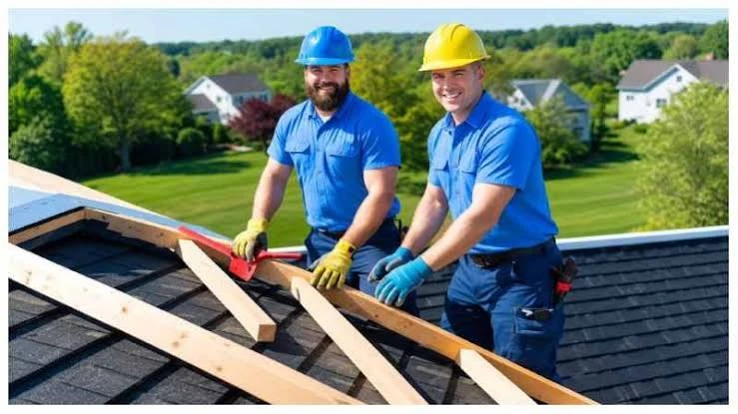
Living in Northeast Ohio means your roof experiences nearly every type of weather imaginable. From heavy lake-effect snow and freezing temperatures to high winds, hailstorms, and hot summer sun, shingles are constantly expanding, contracting, and protecting your home from the elements. Over time, these weather conditions naturally wear down even the highest-quality roofing materials.
One of the biggest challenges for shingles in Northeast Ohio is the freeze-thaw cycle. During the winter, snow melts during the day and refreezes at night. This repeated expansion and contraction can gradually weaken roofing materials, allowing small cracks to develop over time. As shingles age, they become less flexible and more susceptible to damage from changing temperatures.
Lake-effect snow is another major concern. Heavy snow can remain on a roof for extended periods, adding significant weight and allowing moisture to sit against the roofing system. As the snow melts, water flows toward the roof edge where it may refreeze, creating ice dams. Without proper ice and water protection, melting snow can work beneath the shingles and cause leaks.
High winds are common throughout Northeast Ohio during spring and fall storms. Strong gusts can lift the edges of aging shingles, loosen roofing nails, or completely remove shingles from the roof. Once shingles are damaged or missing, the underlayment and roof deck become more vulnerable to water intrusion during the next rainfall.
Hailstorms can also shorten the lifespan of a roof. Hail impacts may crack shingles, loosen protective granules, or bruise the asphalt beneath the surface. While hail damage is not always visible from the ground, it can reduce the roof’s ability to shed water and protect the home over time.
Summer weather creates its own challenges. Constant exposure to ultraviolet (UV) rays gradually dries out asphalt shingles, causing them to become brittle as they age. Combined with high attic temperatures caused by poor ventilation, excessive heat can accelerate the aging process and reduce the overall lifespan of the roofing system.
Moisture is another factor homeowners should consider. Northeast Ohio experiences frequent rain throughout the year, and roofs that have damaged flashing, worn shingles, or clogged gutters may develop leaks if water is unable to drain properly. Routine inspections help identify these issues before they become expensive repairs.
A complete roof replacement restores your home’s first line of defense against these harsh weather conditions. Modern roofing systems include high-performance architectural shingles, synthetic underlayment, ice and water barriers, improved ventilation, and quality flashing designed to work together as one integrated system. These upgrades provide better protection against snow, wind, rain, hail, and extreme temperature changes.
Regular roof inspections and timely maintenance can help homeowners maximize the life of their roof, but every roofing system eventually reaches the end of its service life. Understanding how Northeast Ohio’s climate affects shingles allows homeowners to recognize the warning signs early and replace their roof before minor problems turn into major damage. A professionally installed roof is built to withstand the region’s demanding weather while protecting your home and family for years to come.