
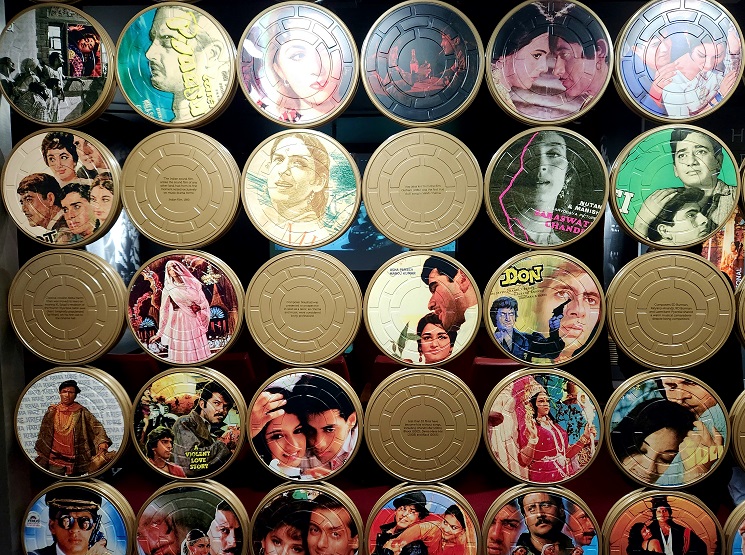
Classic cinema holds a pivotal place in the history of film, shaping the very foundations of modern storytelling techniques and cinematic style. Many of the films produced in the early to mid-20th century serve as benchmarks, influencing generations of filmmakers and ushering in innovative ideas that continue to resonate in contemporary works. This landscape is rich with artistry, where narrative structure, character development, and thematic depth are showcased in ways that remain relevant across decades.
One of the primary aspects that define classic films is their extraordinary storytelling. These films often feature complex characters and intricate plots that provoke thoughtful discussions, making them timeless. They transcend their era, addressing universal themes such as love, sacrifice, and social justice, which continue to find relevance in today’s society. The performances delivered by actors in these films are frequently hailed as exemplary, with many performances setting the industry standard. The emotional weight conveyed through acting in classic cinema remains unmatched, connecting audiences with the characters on a profound level.
Cinematography and filmmaking techniques pioneered in classic movies have influenced how modern films are produced. Elements such as the use of lighting, shot composition, and the integration of sound have evolved from the foundations laid by earlier filmmakers. Classic films showcase an artistic ambition that inspires filmmakers today to experiment with visuals and narratives.The cultural impact of these films cannot be overstated, as they reflect the social and political contexts of their time while also providing insights into the universal human experience. Consequently, classic cinema endures as a vital component of cinematic heritage, inviting both new viewers and seasoned cinephiles to engage with narratives that shaped the film industry we know today.
Top Classic Films to Watch
Classic films have significantly contributed to the evolution of the film industry, and their impact continues to resonate with audiences today. Here is a curated list of must-watch classics, showcasing diverse genres and eras, complete with brief descriptions.
1. Citizen Kane (1941) – Directed by Orson Welles, this groundbreaking film explores the life and legacy of Charles Foster Kane, a media magnate whose quest for power and control leads to personal isolation. Praised for its innovative narrative structure and cinematography, it has earned numerous accolades, including the Academy Award for Best Original Screenplay.
2. Casablanca (1942) – Michael Curtiz’s romantic drama is set against the backdrop of World War II. Centered around Rick Blaine, portrayed by Humphrey Bogart, it delves into themes of sacrifice and love. Its memorable lines and performances have solidified its status as a quintessential classic, winning three Academy Awards, including Best Picture.
3. Gone with the Wind (1939) – This epic historical romance, directed by Victor Fleming, presents a gripping tale of love and survival during the American Civil War. Starring Vivien Leigh and Clark Gable, it is renowned for both its sweeping cinematography and its complex portrayal of Southern society. It received eight Academy Awards, making it one of the most celebrated films of all time.
4. 12 Angry Men (1957) – Sidney Lumet’s courtroom drama captures the intense deliberations of a jury as they decide the fate of a young defendant. The film’s exploration of justice, prejudice, and moral responsibility has influenced countless filmmakers and earned it three Academy Award nominations.
5. The Wizard of Oz (1939) – This beloved musical fantasy, directed by Victor Fleming, follows the adventures of Dorothy, played by Judy Garland, as she navigates the magical land of Oz. Its vibrant imagery and unforgettable songs have made it a timeless classic, winning two Academy Awards, including Best Original Song.
Each of these films not only entertains but also enriches the viewer’s understanding of cinema’s power and artistry. From innovative storytelling to profound themes, they are essential viewing for any film enthusiast.
How to Approach Watching Classic Films
Watching classic films can be a deeply enriching experience, particularly when approached with an appreciation for the context in which these cinematic masterpieces were created. Understanding the historical, cultural, and technological backgrounds of the era in which a film was made can significantly enhance one’s viewing experience. Classic films often reflect the societal norms, values, and challenges of their time, prompting viewers to consider how these elements influence the storytelling and character portrayals.
When viewing classic films, it is essential to pay close attention to various aspects such as cinematography, direction, and character development. The cinematography often encompasses innovative techniques that might be unfamiliar to modern audiences. Observing how the lighting, camera angles, and framing contribute to the narrative can provide insights into the director’s artistic vision. Moreover, understanding the evolution of filmmaking techniques allows viewers to place the film within a larger context of artistic development across different time periods.
Character development is another critical aspect to focus on while watching classic films. Actors in older films often employed different styles of performance, deeply influenced by contemporary theatrical traditions. Analyzing the motivations and relationships of characters can shed light on the film’s themes and messages. Consider how dialogue and action convey emotions, shaping the audience’s understanding of the characters’ journeys.
To further enhance your viewing experience, consider exploring film festivals or special screenings that celebrate classic cinema. These events often provide opportunities to engage with fellow film enthusiasts and participate in discussions that can deepen your appreciation. Additionally, accessing classic films through specialized streaming services or Criterion Collection releases can enrich your viewing experience with curated commentary, historical context, and expert analysis, offering a multi-dimensional approach to the film.
Legacy of Classic Films in Today’s Cinema
Classic films have carved a significant niche in the annals of cinema history, and their influence pervades contemporary filmmaking in numerous ways. Modern directors and screenwriters draw inspiration not only from the narratives of these films but also from their cinematic techniques, themes, and character archetypes. For example, films such as La La Land evoke the era of musical cinema reminiscent of the classics, seamlessly merging nostalgia with innovative storytelling. This homage to older cinematic forms demonstrates how the legacy of classic films can inspire fresh perspectives in today’s movies.
The resurgence of interest in vintage cinema has further cemented the significance of classic films in the modern landscape. Streaming platforms have revived audiences’ fascination with this rich heritage, offering curated collections that showcase the vast array of timeless stories. Titles like Citizen Kane and Casablanca are not merely relics of the past; they are cornerstones that continue to influence the aesthetics and storytelling approach in contemporary cinema.
The character archetypes and emotional depth found in classic films resonate well within today’s narratives. For instance, the quintessential hero’s journey—developed in films from the Golden Age—remains a fundamental element in many popular movies, demonstrating how age-old themes of struggle and triumph are intertwined with the human experience. Moreover, the experimentation with editing and cinematography seen in classics has paved the way for the innovative visual and narrative styles that characterize modern filmmaking.
As filmmakers pay homage to classic cinematic techniques while infusing their unique voices and contemporary themes, it is evident that the legacy of classic films remains a vital source of inspiration. This ongoing dialogue between past and present continues to enrich our cinematic experiences, ensuring that classic films endure long into the future.