
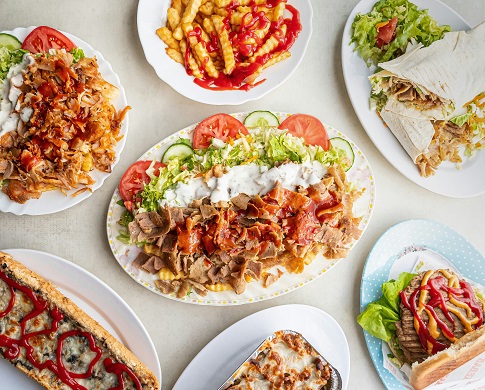
Fast food has become a global phenomenon, representing a significant shift in eating habits and culinary practices over the last few decades. Originating in the early 20th century, the fast food industry has evolved into a cultural staple that offers convenience and affordability. Its rise can be attributed to several factors, including the busy lifestyles of modern society, urbanization, and an increase in consumer demand for quick yet satisfying meals.
The convenience of fast food is one of its most appealing aspects. With the pace of life accelerating, individuals often seek meals that can be prepared and consumed in a short amount of time. Fast food establishments typically address this need by providing ready-to-eat options that can be acquired quickly, making them an attractive choice for people on the go. Moreover, the affordability of fast food has contributed to its popularity, as many consumers find it more budget-friendly compared to traditional dining experiences.
Globalization also plays a critical role in the expansion of fast food culture. As international chains spread across borders, they bring their unique menu items and practices, often adapting to local tastes and preferences. This cross-cultural exchange influences not only the availability of food choices but also shapes social interactions, as fast food restaurants often serve as informal gathering places for friends, families, and even colleagues.
The impact of fast food on daily life is profound. It has redefined meal times and social exchanges, highlighting a trend toward casual dining experiences. However, this shift may also raise concerns about nutritional values and health implications. As fast food continues to permeate different cultures, understanding its impact on both dietary habits and social structures becomes increasingly significant.
Top 15 Fast Food Chains Worldwide
In the realm of fast food culture, several chains stand out due to their global influence and unique offerings. Here is a look at 15 of the most popular fast food chains across the world.
1. McDonald’s – Perhaps the most iconic fast food chain, McDonald’s operates in over 100 countries, offering a diverse menu featuring its famous Big Mac and Chicken McNuggets. Its golden arches are recognized worldwide, and its marketing strategies emphasize family-friendly environments.
2. KFC – Known for its original recipe fried chicken, KFC has a significant international presence, especially in Asia. The brand differentiates itself with unique regional menu items, underscoring local tastes.
3. Burger King – Home of the Whopper, Burger King is famous for its flame-grilled burgers and has adapted its menu to appeal to different markets, including offering vegetarian options in various regions.
4. Subway – Renowned for its customizable sandwiches and healthier options, Subway has established a vast network of locations across the globe, promoting fresh ingredients as a selling point.
5. Domino’s Pizza – This pizza chain is well-known for its speedy delivery service and innovative technology, such as pizza tracking. Its menu offers a variety of pizza types, including region-specific options.
6. Starbucks – As a coffeehouse rather than a traditional fast food chain, Starbucks nonetheless plays a significant role in the fast food landscape, offering quick-service coffees, pastries, and light meals, focusing on premium quality.
7. Wendy’s – Known for its fresh, never frozen beef, Wendy’s has carved a niche with its square burgers and aggressive social media marketing, particularly targeting younger demographics.
8. Taco Bell – This chain has gained a loyal following with its inventive take on Mexican-inspired fast food. Taco Bell’s menu features combinations that appeal to adventurous eaters.
9. Dunkin’ – Originally famous for its coffee, Dunkin’ has expanded its offerings to include breakfast sandwiches and donuts, emphasizing speed and convenience.
10. Chipotle – This fast-casual chain focuses on customizable burritos and bowls, promoting sustainable ingredients and a commitment to ethical farming.
11. Panera Bread – Known for its bakery-café atmosphere, Panera provides healthier options such as soups and salads, attracting a clientele seeking quality.
12. Five Guys – Famous for its fresh, made-to-order burgers and generous portion sizes, Five Guys has positioned itself as a premium fast-food option.
13. Shake Shack – Originating in New York City, Shake Shack has gained international acclaim for its high-quality burgers and innovative shack sauces, making it a popular choice among foodies.
14. Auntie Anne’s – Specializing in soft pretzels, Auntie Anne’s has brought the concept of schnitzels into the fast food lexicon, with locations primarily in malls and airports.
15. Jollibee – Hailing from the Philippines, Jollibee is known for its unique menu that combines Western fast food with local Philippine flavors, making it a beloved brand, especially in Southeast Asia.
Regional Variations in Fast Food Menus
As the fast food industry expands globally, fast food culture have recognized the necessity of adapting their menus to meet local tastes and cultural preferences. This regional customization not only helps in satisfying local consumer demands but also enhances brand acceptance in different markets. The flexibility demonstrated by these global brands highlights the diversity and gastronomic variability embedded within fast food menus.
One notable example is McDonald’s in India, which has modified its offerings significantly due to cultural dietary restrictions. Traditional beef and pork products are absent, replaced by vegetarian options such as the McAloo Tikki burger, which features a spiced potato patty. This adaptation allows McDonald’s to cater to the predominantly vegetarian population while still retaining its core identity of fast, accessible meals.
In Asian markets, fast food chains often infuse local flavors into their menus. For instance, KFC in Japan offers a unique chicken dish modeled after the popular local seasoning styles, providing a spicy twist to their usual recipe. Meanwhile, Taco Bell has introduced a line of menu items in certain Asian countries that incorporate ingredients such as kimchi and teriyaki sauce, reflecting regional eating habits and preferences.
These examples illustrate how fast food culture can successfully navigate cultural nuances while maintaining their global brand identity. The strategy of localizing menu items demonstrates the importance of understanding consumer behavior and culinary traditions, thus fostering a deeper connection with customers. Additionally, these regional variations in fast food menus serve to highlight the brand’s commitment to inclusivity and respect for diverse culinary landscapes, showcasing how international brands can harmoniously blend into local dining customs.
The Impact of Fast Food on Health and Society
The consumption of fast food culture has become an integral part of daily life for many individuals across the globe. This trend has sparked extensive discussions regarding its implications on health and social dynamics. Nutritionally, fast foods are often high in calories, saturated fats, and sugars, contributing to rising obesity rates among both adults and children. The relationship between fast food consumption and obesity is well-documented; frequent intake leads to an increased risk of chronic illnesses such as diabetes, heart disease, and certain forms of cancer.
Beyond physical health, the societal impacts of fast food consumption merit consideration. Fast food chains often dominate the landscapes of urban areas, affecting local food systems and businesses. Critics argue that these establishments contribute to the erosion of traditional dietary practices, replacing them with unhealthy options that prioritize convenience over nutrition. This dietary shift can result in negative health outcomes not just for individuals but for communities as a whole.
Moreover, fast food companies face ongoing social scrutiny regarding their labor practices. Issues such as low wages, inadequate working conditions, and insufficient employee benefits are prevalent within the industry. These factors raise ethical questions about the sustainability of fast food business models and their broader economic impacts on society.
Environmental concerns also play a role in the discussion surrounding fast food. The industry’s reliance on mass production leads to significant ecological footprints, including increased waste and resource consumption. As awareness about climate change grows, many advocate for a shift towards more sustainable practices within the fast food sector.
Fast food’s influence on public health policies is another critical aspect. As obesity rates continue to rise, there have been calls for greater regulatory measures, including nutritional labeling and limit restrictions on advertising aimed at children. These debates underline the need for a balanced perspective when addressing the multifaceted impacts of fast food on health and society.