
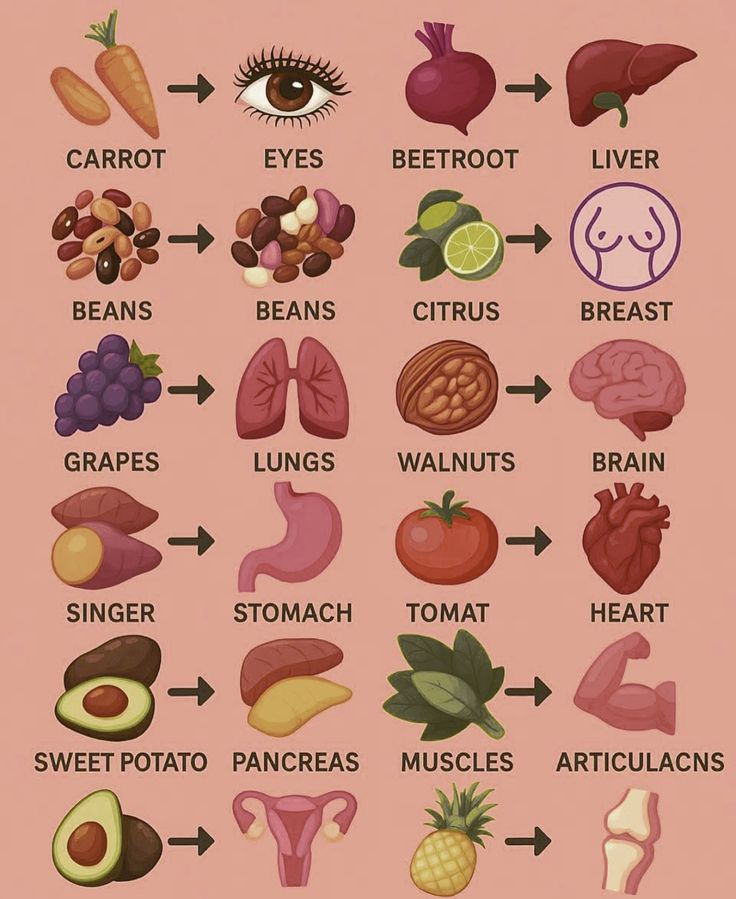
Nutrients play a crucial role in the overall functioning of the human body. They are the building blocks for growth, development, and maintenance of various bodily functions. A well-balanced diet, rich in essential nutrients, is fundamental for optimal health and well-being. Over time, deficiencies in specific nutrients can lead to a variety of health issues, significantly affecting how the body operates. Despite the growing awareness of health and nutrition, many individuals might not be aware that they are not meeting their dietary requirements. Nutrient deficiencies can develop gradually and may go unnoticed unless actively monitored. This unawareness can lead to fatigue, weakened immunity, and other health complications that may be misattributed to lifestyle factors or external stressors. As such, recognizing the signs indicating a need for more nutrients can be fundamental in assessing one’s health. This blog post aims to assist readers in identifying the potential signs that their bodies may require additional nutrients. By understanding these signs, individuals can take proactive steps toward improving their dietary habits, leading to better health outcomes. The following sections will explore various indications—ranging from physical symptoms to emotional well-being—that may suggest a dietary shortfall. Educating oneself about these signals can empower readers to make informed decisions regarding their nutrition, ultimately fostering a healthier lifestyle.
Sign 1: Chronic Fatigue
Chronic fatigue is a persistent state of exhaustion that is not alleviated by rest and can significantly impact an individual’s quality of life. Unlike normal tiredness, which is typically short-lived and can be linked to specific activities or stressors, chronic fatigue persists despite adequate rest and can be a subtle indicator of underlying nutrient deficiencies. Awareness of the symptoms of chronic fatigue is essential, as they may help identify dietary deficiencies, particularly in nutrients such as iron, vitamin B12, and magnesium.
Iron is a crucial element in the production of hemoglobin, which is responsible for transporting oxygen in the blood. A deficiency in iron can lead to iron-deficiency anemia, one of the primary causes of fatigue. This condition decreases the amount of oxygen delivered to tissues, resulting in persistent tiredness, weakness, and lack of energy. Symptoms may include pale skin and shortness of breath, further indicating the lack of essential nutrients.
Similarly, vitamin B12 plays a critical role in energy metabolism. A lack of vitamin B12 may lead to anemia and its associated symptoms, such as excessive fatigue and cognitive difficulties. People who follow a vegetarian or vegan diet may be particularly at risk, as B12 is predominantly found in animal products. Therefore, monitoring B12 levels and considering supplementation may be necessary for those with limited intake of animal-derived nutrients.
Magnesium also significantly contributes to energy production and muscle function. Insufficient magnesium can lead to symptoms of fatigue, muscle weakness, and cramps. It is important to assess dietary magnesium intake and incorporate magnesium-rich foods such as nuts, seeds, and leafy greens.
In summary, chronic fatigue can serve as a red flag for potential nutrient deficiencies. Individuals experiencing prolonged fatigue should consider monitoring their energy levels and reviewing their dietary intake to evaluate if they are consuming adequate amounts of essential vitamins and minerals.
Sign 2: Unexplained Weight Changes
Unexpected changes in body weight, whether sudden weight loss or gain, can indicate underlying nutritional deficiencies or imbalances. These fluctuations are often linked to how effectively your body processes and utilizes nutrients. Metabolism, the process through which your body converts what you eat into energy, relies heavily on a variety of essential nutrients.
For instance, a lack of adequate protein can slow down metabolism, leading to unintentional weight loss, while an insufficient intake of fiber can lead to overeating, resulting in weight gain. Additionally, deficiencies in certain vitamins and minerals, such as B vitamins, iron, and magnesium, can disrupt hormonal balance and appetite regulation, further complicating weight maintenance.
Moreover, specific nutrients play a crucial role in amplifying metabolic functions; for example, calcium and vitamin D are not only significant for bone health but also have been shown to influence fat metabolism. Likewise, omega-3 fatty acids can assist in balancing hunger hormones. Therefore, monitoring your dietary intake is essential to ensure you consume adequate amounts of these critical nutrients.
If you experience significant or inexplicable changes in weight, it is prudent to keep a detailed record of your eating habits. This approach can represent a reliable reflection of your overall nutritional intake and help identify any dietary inadequacies. It is highly recommended to consult with financial professionals such as dietitians or healthcare providers. They can offer tailored guidance based on your individual health profile, ensuring that your nutritional needs are met effectively.
Sign 3: Frequent Illness or Infections
A healthy immune system is critical for defending the body against infections and illnesses. However, frequent bouts of illness or infections can signal an underlying deficiency in essential nutrients that play a vital role in supporting immune function. Insufficient levels of vitamins and minerals can compromise the immune response, leaving the body more vulnerable to pathogens.
Vitamin C is one such nutrient that is widely recognized for its immune-boosting properties. It aids in the production and function of white blood cells, which are important for fighting infections. Similarly, vitamin D contributes significantly to immune system regulation. It helps activate T-cells, which play a crucial role in immune response. Deficiencies in vitamin D are particularly common in populations with limited exposure to sunlight, especially during winter months.
Zinc is another critical mineral that enhances the immune system’s ability to fight off illness. It not only helps in the development and function of immune cells but also acts as an anti-inflammatory agent. Insufficient zinc levels can lead to prolonged infections and an increased susceptibility to disease.
To help boost the immune system, it is essential to incorporate a variety of nutrient-dense foods into your diet. Citrus fruits, leafy greens, nuts, seeds, and poultry are great sources of vitamin C, D, and zinc. Additionally, considering supplementation may be necessary for individuals who are unable to meet their nutrient needs through diet alone. By recognizing the connection between nutrient deficiencies and frequent illnesses, one can take proactive steps to enhance their overall health and resilience against infections.
Sign 4: Poor Skin, Hair, and Nail Health
The condition of your skin, hair, and nails serves as a significant indicator of overall health and hormonal balance. When the body lacks essential nutrients, visible signs such as dryness, brittleness, and acne can manifest. These issues are often symptoms of underlying nutrient deficiencies that can affect not only cosmetic appearance but also general wellness.
Key nutrients play critical roles in maintaining healthy skin and hair. For instance, deficiencies in essential fatty acids, vitamins A, C, D, E, and certain B vitamins can lead to common problems like dry skin, lackluster hair, and brittle nails. Omega-3 fatty acids, found in fish and flaxseeds, contribute to skin hydration and overall elasticity. Vitamin C is crucial for collagen production, which is fundamental for youthful skin and prevents sagging.
Furthermore, a lack of biotin, often dubbed the beauty vitamin, can lead to hair thinning or loss, highlighting the need for balanced nutrition that fortifies hair follicles. Similarly, zinc plays an important role in skin repair, while iron helps supply oxygen to hair follicles, promoting growth and preventing hair loss.
Notably, the gut-skin axis, a connection between gut health and skin condition, signifies that a healthy diet rich in probiotics and fiber can improve skin quality. Therefore, integrating a diverse range of nutrient-dense foods into your daily routine is paramount for achieving optimal skin, hair, and nail health.
A nutrient-rich diet is not just advantageous for external beauty but also supports overall bodily functions. Monitoring your diet and ensuring an adequate intake of vitamins and minerals is essential to preventing deficiencies that may lead to poor skin, hair, and nail health.
Sign 5: Mood Swings and Changes in Mental Health
Nutrition plays a significant role in influencing mental health and emotional well-being. A well-balanced diet is essential for maintaining not only physical health but also mental clarity and emotional stability. It is increasingly recognized that certain nutrients can profoundly impact mood disorders, contributing to issues such as mood swings, anxiety, and depression.
For instance, deficiencies in omega-3 fatty acids, which are fundamental in the maintenance of brain health, have been linked to an increase in depressive symptoms. Omega-3s are primarily found in fatty fish like salmon, as well as in flaxseeds and walnuts. Their anti-inflammatory properties are believed to enhance communication between brain cells, which can help stabilize mood.
B vitamins also play a critical role in mental health. Deficiencies in B vitamins, particularly B6, B12, and folate, have been associated with mood disorders. These vitamins are essential for the synthesis of neurotransmitters, such as serotonin and dopamine, which regulate emotions. Foods such as leafy greens, legumes, and whole grains are rich in these vital vitamins and can contribute to improved mood stability.
Minerals like magnesium and zinc are also important for mental well-being. Magnesium has been shown to modulate the body’s stress response and may alleviate symptoms of anxiety. Sources include nuts, seeds, and leafy green vegetables. Zinc, found in meat, shellfish, legumes, and seeds, is crucial for neurotransmitter function and cognitive performance. Insufficient levels of these minerals can lead to increased feelings of irritability and stress.
In summary, addressing nutritional deficiencies through a diverse and balanced diet can drastically improve mood and mental health. Ensuring adequate intake of essential nutrients allows for better regulation of emotions and enhancement of overall well-being, underscoring the importance of nutrition in mental health maintenance.
Digestive Issues as a Sign of Nutritional Deficiency
Experiencing digestive troubles, such as bloating, constipation, or diarrhea, can be a sign that your body is lacking essential nutrients. These symptoms often arise from an imbalance in gut health, which is significantly influenced by the nutrients you consume. For instance, insufficient fiber intake can lead to constipation and bloating, while a lack of certain vitamins and minerals may cause alterations in bowel habits, resulting in diarrhea.
The role of gut flora in digestion is crucial. A balanced gut microbiome, composed of beneficial bacteria, helps break down food efficiently and supports overall health. When your diet does not provide adequate nutrients, particularly fiber and probiotics, the gut flora may become unbalanced. Foods that are high in fiber, such as fruits, vegetables, whole grains, and legumes, facilitate proper digestion and help maintain regular bowel movements. Probiotics, found in fermented foods like yogurt and kefir, serve to populate the gut with good bacteria crucial for digestion.
Moreover, hydration plays a vital role in digestive health. Insufficient water intake can exacerbate issues like constipation, as it is essential for softening stool and promoting regularity. Without adequate hydration, the digestive system struggles to function optimally, which can further contribute to the cycle of digestive discomfort.
In conclusion, if you are experiencing persistent digestive issues, it may indicate a deficiency in key nutrients or an imbalance within your gut flora. Evaluating your diet and ensuring you are consuming adequate fiber, probiotics, and hydration can be essential steps toward restoring digestive health. This not only alleviates symptoms but may also enhance your body’s overall nutritional status.
Cravings for specific foods can serve as important indicators of nutritional deficiencies within the body. When individuals experience strong desires for particular items, it is vital to pay attention, as these cravings might suggest a need for certain nutrients that are lacking in one’s diet. Common cravings include chocolate, salty snacks, and sugary treats, each reflecting various nutritional needs.
For instance, a craving for chocolate may often be associated with a deficiency in magnesium. Magnesium plays a crucial role in numerous physiological functions, including regulating muscle and nerve function as well as managing blood sugar levels. Therefore, when the body is low on magnesium, one might find themselves reaching for chocolate in an attempt to fulfill that deficiency.
Salty snack cravings, on the other hand, may indicate a need for sodium or other minerals. This craving may arise when the body requires a balance of electrolytes, especially after engaging in intense physical activity or during hot weather where sweating can lead to excessive sodium loss. It’s crucial to distinguish these cravings from mere indulgence, as they may represent genuine nutritional needs.
Moreover, cravings for sweets can signal low energy levels or inadequate carbohydrate intake. When the body lacks immediate sources of energy, it often seeks quick-fix options like sugary foods. Instead of yielding to these cravings with processed snacks, it is advisable to replace them with healthier, nutrient-dense options such as fruits, nuts, and whole grains. These alternatives not only satisfy cravings but also provide essential vitamins and minerals that the body may be missing.
Understanding and reacting to cravings in a constructive manner can promote better nutritional health and overall well-being. By addressing the root cause of these cravings and opting for nutrition-rich food choices, individuals can enhance their dietary patterns and support their body’s optimal functioning.
Conclusion and Recommendations
Recognizing the signs that your body needs more nutrients is essential for maintaining optimal health and wellness. In this blog post, we have highlighted several key indicators, such as fatigue, weakened immunity, and poor skin health, that may suggest a deficiency in essential vitamins and minerals. Understanding these symptoms can serve as a crucial first step towards improving your dietary habits and overall lifestyle.
To enhance your nutrient intake, consider incorporating more whole foods into your diet. Fruits, vegetables, whole grains, lean proteins, and healthy fats are often packed with essential nutrients that play pivotal roles in various bodily functions. For instance, adding a variety of colorful fruits and vegetables can ensure a diverse intake of vitamins and antioxidants, which support immunity and skin health.
Additionally, seeking guidance from healthcare professionals, such as a registered dietitian or nutritionist, can provide personalized recommendations tailored to your individual needs. These experts can help assess your current dietary habits and suggest appropriate adjustments to rectify any imbalances or deficiencies.
Lastly, being mindful of your diet is equally important. Keeping a food diary can assist in identifying gaps in nutrition and help maintain a balanced diet. Regularly evaluating your eating habits and making conscious choices can significantly contribute to meeting your body’s nutrient requirements. This holistic approach will pave the way for better health and well-being, ensuring that your body receives the nourishment it needs.