
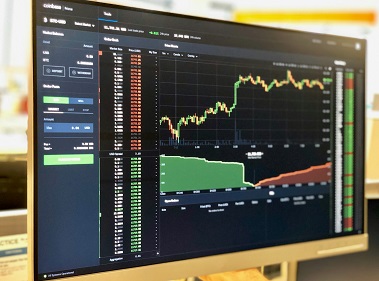
Cryptocurrency volatility, a digital or virtual currency utilizing cryptography for security, operates on decentralized networks based on blockchain technology. Unlike traditional currencies issued by governments, cryptocurrencies such as Bitcoin, Ethereum, and many others are not controlled by a central authority, which significantly impacts their price dynamics. The market for these digital assets is characterized by substantial price fluctuations, a phenomenon that has captured the attention of investors, analysts, and mainstream media alike. The volatility in cryptocurrency prices can be attributed to various factors, including supply and demand, speculation, regulatory news, technological advancements, and macroeconomic trends. This volatility presents both opportunities for profit and risks for investors, making it crucial for anyone engaging with cryptocurrencies to understand the underlying mechanisms that influence price movements. Unlike conventional financial markets, where historical data plays a critical role in price determination, the cryptocurrency market is often swayed by news cycles, social media trends, and community sentiments.
This blog post aims to delve into the complexities surrounding cryptocurrency price fluctuations, exploring the myriad influences that contribute to the pricing of these digital assets. By examining factors such as market psychology, trading volumes, changes in legislation, and emerging technologies, readers will gain a comprehensive understanding of what drives the ever-changing prices in the cryptocurrency arena. The goal is to equip individuals with the knowledge necessary to navigate this volatile landscape effectively, thus helping them make informed decisions in their financial pursuits within cryptocurrency markets.
Market Demand and Supply Dynamics
The price of cryptocurrencies, like any other goods or services in the marketplace, is predominantly determined by the economic principles of demand and supply. Demand refers to the quantity of a cryptocurrency that buyers are willing to purchase at a given price, while supply indicates the number of coins available for sale. These two forces work in tandem to establish equilibrium, influencing prices effectively.
When demand for a cryptocurrency rises, perhaps due to increasing interest from investors or broader adoption in various sectors, the price generally ascends. Conversely, if supply exceeds demand, the price tends to fall, as sellers compete to attract fewer buyers. Market sentiment, which reflects the overall attitude of investors towards a particular cryptocurrency, plays a crucial role here. Positive news, technological advancements, or favorable regulatory changes can enhance buyer sentiment, boosting demand and subsequently driving prices upwards.
A key factor in the supply of cryptocurrencies is the process of mining or minting new coins. For instance, Bitcoin has a capped supply of 21 million coins, meaning that as demand increases but the total supply remains fixed, scarcity can lead to significant price increases. Conversely, in a scenario where there is an oversupply of coins—possibly due to market saturation or excessive mining—prices could decrease. The interaction between supply dynamics and investor demand ultimately governs the cycle of cryptocurrency price fluctuations, making understanding these principles essential for anyone looking to navigate the complex world of digital currencies. Recognizing the influences of both demand and supply can provide valuable insights into market behavior and price trajectory for cryptocurrencies.
Influence of Market Sentiment
The cryptocurrency market is characterized not only by its technical and fundamental aspects but also by the psychological factors that significantly influence investor behavior. Market sentiment, defined as the overall attitude of investors towards a particular market or asset, plays a pivotal role in determining price fluctuations within the cryptocurrency arena. Positive sentiment can lead to increased buying activity, while negative sentiment often results in sharp sell-offs.
News and developments within the cryptocurrency landscape can immensely sway market sentiment. For instance, announcements regarding regulatory changes, technological advancements, or significant partnerships can generate excitement or concern among investors. Social media has become an influential platform where sentiments are rapidly shared, leading to immediate reactions in the market. Platforms such as Twitter and Reddit have witnessed substantial discussions around cryptocurrencies, where sentiments can shift dramatically due to a few influential posts or memes.
Moreover, public perception plays a critical role in shaping market sentiment. The general belief about the viability and potential of cryptocurrencies can lead to hype or fear. For example, periods of increasing interest from institutional investors may boost positive sentiment, enticing retail investors to join the market. Conversely, negative news, such as hacks or fraud cases, can cause panic, resulting in mass sell-offs that exacerbate price drops.
Speculation also significantly influences market sentiment, as many investors buy or sell primarily based on expectations rather than intrinsic value. Trends in investor behavior can create cycles of greed and fear that further drive price changes. Overall, understanding these psychological factors is crucial for navigating the unpredictable nature of cryptocurrency price fluctuations.
Regulatory Developments and Legal Framework
The world of cryptocurrency is heavily influenced by regulatory developments; government actions can lead to significant price fluctuations in digital assets. As the cryptocurrency market continues to evolve, various national and international jurisdictions are drafting regulations tailored to address the unique characteristics of digital currencies. For instance, when a country proposes a harsh ban against cryptocurrencies, market reactions often include a sharp decline in prices due to investor concerns about the viability of digital assets.
Conversely, positive endorsements from government bodies can catalyze bullish trends in the market. When regulations are viewed as favorable, such as those allowing the use of cryptocurrencies for transactions or clarifying tax obligations, the prices of various cryptocurrencies usually surge as investors gain confidence. The belief that the market is becoming more regulated can lead to greater participation from institutional investors, thereby driving demand and prices upward.
The relationship between cryptocurrency prices and regulatory news is not always straightforward. Investors often react to the sentiment surrounding legislation rather than the content itself. For example, an announcement of potential regulations may cause immediate volatility even before any laws are enacted, reflecting the market’s speculative nature. Similarly, new regulatory clarity might not lead to immediate price changes but could instill long-term confidence in the asset class.
In addition, the legal framework surrounding cryptocurrencies varies widely across countries. While some nations embrace the technology by establishing comprehensive laws, others impose stringent regulations or outright bans. This disparate approach can create a patchwork of regulations that not only complicates market dynamics but also affects the pricing of cryptocurrencies in different regions.
Technological Advancements and Innovations
Technological advancements play a pivotal role in shaping the cryptocurrency landscape, with innovations influencing market perception and impacting price fluctuations. The development of new blockchains, updates to existing cryptocurrencies, and enhancements in blockchain technology contribute significantly to how investors and the public view digital currencies. For instance, the emergence of blockchain platforms that offer improved transaction speeds and lower fees can enhance user experience, attracting more participants to the market. Consequently, these developments may lead to increased demand for certain cryptocurrencies, thereby driving up their prices.
Moreover, significant updates and hard forks of established cryptocurrencies can also trigger notable price movements. When a well-known cryptocurrency, such as Bitcoin or Ethereum, announces a major update aimed at improving scalability or security, it often generates buzz and speculation among investors. This can lead to a sudden surge in buying activity, pushing the prices higher. Conversely, if the update is met with criticism or skepticism, it may result in declines in price, demonstrating how closely tied cryptocurrency values are to technological improvements.
Security advancements within the cryptocurrency ecosystem are equally crucial in influencing investor confidence and pricing trends. As the industry has faced various high-profile security breaches and hacks, ensuring robust security measures has become paramount for protecting assets. Innovations in security protocols, such as multi-signature wallets and decentralized finance (DeFi) safeguarding tools, not only protect user investments but also bolster confidence in the market, potentially impacting prices positively.
In addition to security, scalability improvements are vital for sustaining growth in the cryptocurrency sector. As more users adopt digital currencies, the ability of blockchains to handle increased transaction volumes efficiently is essential. Technologies that enhance scalability, like the Lightning Network for Bitcoin or Ethereum’s transition to a proof-of-stake system, can create favorable conditions for price appreciation by allowing the networks to accommodate more activity without compromising performance.
Market Manipulation Techniques
The cryptocurrency market, with its relatively low regulation compared to traditional financial markets, is susceptible to various manipulation techniques. These tactics, often employed by unscrupulous traders or entities, can create artificial price movements, significantly affecting both inexperienced and seasoned investors. One common manipulation strategy is the pump-and-dump scheme. In this scenario, a group of investors will buy a particular cryptocurrency, inflating its price through substantial buying volume. This artificial increase often attracts attention from retail investors who see the upward trend and feel compelled to jump in, hoping to ride the wave of profits.
Once the price has been sufficiently pumped up, the original manipulators sell their holdings at the inflated price, causing a sharp decline as the demand fizzles out. This sudden drop can lead to considerable losses for those who entered the market after the initial price surge, further showcasing the impact of manipulation on cryptocurrency price fluctuations. It is essential for investors to recognize signs of such schemes to avoid falling victim.
Another manipulation tactic includes spoofing, where traders place large orders with the intention of canceling them before execution. This practice misleads other market participants into believing that there’s heightened interest in a cryptocurrency, thus driving prices up or down based on perceived demand. Additionally, wash trading, where a trader buys and sells the same asset to create an illusion of volume and interest, can further distort price perceptions.
These tactics highlight the darker side of cryptocurrency trading and underscore the necessity for comprehensive education and awareness among investors. Understanding these manipulation techniques not only aids in risk mitigation but also contributes to a more robust approach to investing in the volatile world of cryptocurrencies.
Global Economic Factors
The landscape of cryptocurrency pricing is heavily influenced by various global economic factors. Notably, inflation tends to create an environment where investors may seek alternative stores of value. In periods of rising inflation, as traditional currencies depreciate, individuals often turn to cryptocurrencies like Bitcoin and Ethereum, perceived as hedge assets. This shift in investor sentiment can lead to significant price increases for cryptocurrencies as demand surges amidst traditional market instability.
In addition to inflation, other economic downturns play a crucial role in shaping cryptocurrency markets. During recessions, assets across the board typically experience increased volatility. Investors’ confidence wavers, pushing some toward the relatively new instrument of cryptocurrencies in hopes of achieving higher returns compared to conventional investments. Conversely, during times of economic recovery, renewed confidence in traditional financial markets might result in diminished interest in cryptocurrencies, thus affecting their prices negatively.
Geopolitical events also echo throughout the cryptocurrency market, given the global nature of these digital assets. For example, regulatory developments in major markets can yield immediate price reactions within the cryptocurrency sphere. An announcement of strict crypto regulations in a large economy often leads to a sell-off, while favorable cryptocurrency regulations can bring in new capital, pushing prices upward. Additionally, incidents such as political unrest or trade wars can provoke uncertainty, prompting investors to either flee to or away from cryptocurrency markets, further impacting price dynamics. It is essential to understand these correlations between traditional financial markets and cryptocurrencies, as they are often not entirely isolated from one another. As global economic uncertainty prevails, the movements of cryptocurrency prices reflect a blend of investor sentiment driven by these broader economic conditions.
Comparison with Other Investment Assets
The investment landscape comprises various asset classes, and understanding how cryptocurrency price fluctuations compare with traditional investments—such as stocks and commodities—is essential for informed decision-making. Cryptocurrencies, known for their significant price volatility, often see dramatic price changes within short periods, a characteristic that stands in stark contrast to more established assets.
Historically, stocks have presented moderate levels of volatility, influenced by factors such as economic indicators, corporate earnings, and market sentiment. In comparison, cryptocurrencies are subject to unique variables, including regulatory news, technological developments, and sentiment-driven speculation, which can lead to sharp price swings. For instance, while a major technology firm may experience fluctuations of a few percentage points in a day, a cryptocurrency can rise or fall by double-digit percentages.
Commodities, another investment avenue, are generally impacted by supply and demand dynamics, geopolitical events, and macroeconomic trends. Gold, a traditional safe-haven asset, tends to exhibit lower volatility compared to cryptocurrencies. This stability often makes it a preferred choice during times of economic uncertainty. In contrast, the fluid nature of crypto markets, characterized by rapid trading and speculative investment, results in much higher volatility, making them riskier for investors.
Furthermore, market maturity plays a role in these differences in volatility. The cryptocurrency market is relatively young; thus, it is still finding its footing. This immaturity often leads to unpredictable price movements that diverge significantly from patterns established in more seasoned markets, like stocks or commodities. As the cryptocurrency ecosystem continues to evolve, its volatility may stabilize; however, for the time being, it remains a high-risk investment in comparison to more traditional asset classes.
Conclusion and Future Trends
As the landscape of cryptocurrency continues to evolve, the insights garnered from the exploration of price fluctuations highlight several key aspects of market behavior. The inherent volatility of cryptocurrency values poses both opportunities and risks for investors, driven by factors such as market sentiment, regulatory changes, and technological advancements. Understanding these dimensions is crucial for anyone looking to navigate the complexities of this digital asset space.
Future trends in cryptocurrency pricing are anticipated to be influenced by ongoing developments in blockchain technology and increased institutional adoption. The integration of cryptocurrency into traditional financial systems could create a more stable market environment, potentially diminishing extreme price swings. Moreover, the growth of decentralized finance (DeFi) and non-fungible tokens (NFTs) heralds further diversification of investment opportunities, which could affect market dynamics significantly.
Investors should remain vigilant for indicators that may signal shifts in market trends. Among the critical elements to monitor are regulatory developments across various jurisdictions, technological innovations that enhance security and scalability, and macroeconomic factors such as inflation rates and global economic stability. The interplay of these elements is likely to define the future trajectory of cryptocurrency pricing.
In conclusion, by integrating knowledge of past and present market behaviors with an awareness of future trends, investors can equip themselves with the necessary tools to make informed decisions. Engaging with real-time data, analytical resources, and expert insights will enhance one’s ability to understand and anticipate cryptocurrency market movements effectively. Therefore, being proactive and informed is essential in an ever-changing financial landscape.