
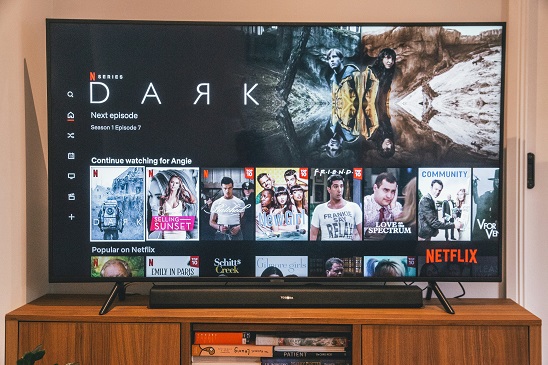
Television dramas have long been a significant form of entertainment, captivating audiences with their intricate narratives and compelling characters. In recent years, the rise of streaming platforms has significantly transformed the landscape of TV dramas, allowing for a broader spectrum of storytelling that appeals to diverse audiences. Platforms such as Netflix, Amazon Prime, and Hulu have revolutionized how viewers consume content, granting access to an array of genres, including crime, romance, science fiction, and fantasy. This shift has not only altered viewing habits but has also influenced the type of stories being told.
Previously, traditional cable networks primarily dominated the television space, often leading to a more uniform and constrained approach to storytelling. However, with the advent of streaming services, there is now an unprecedented level of freedom for writers and producers to explore unique narratives. Audiences are increasingly drawn to complex story arcs and multifaceted character development, aspects that modern TV dramas are more equipped to deliver. This has also encouraged writers to tackle social issues and current events, resonating deeply with viewers who seek relevance in their entertainment.
Another factor contributing to the trend of popular TV dramas is the global reach of streaming platforms, which allows shows from different countries to gain international acclaim and viewership. As a result, viewers are introduced to varying cultural perspectives and storytelling techniques that enrich their viewing experience. This diversity not only broadens the appeal of individual shows but also cultivates a more extensive viewing culture among audiences worldwide. With this vibrant fusion of storytelling and accessibility, the trending TV dramas today are emblematic of a rapidly evolving entertainment industry, marked by innovation and inclusivity.
Current Hit TV Dramas
Currently, the television landscape is abuzz with a variety of hit dramas that have captured the hearts of viewers. This section will explore some of these popular TV dramas, highlighting their engaging premises, dynamic characters, and what sets them apart in today’s competitive market.
One notable show is “Succession,” a gripping drama that follows the Roy family, heirs to a global media empire, as they vie for control amidst parental manipulation and family rivalry. The show’s sharp writing and complex character dynamics have garnered critical acclaim, making it a favorite among audiences. Its examination of power and familial bonds resonates deeply, contributing to its trending status.
Another standout is “The Crown,” which chronicles the reign of Queen Elizabeth II. Through its meticulous attention to historical detail and character development, it provides an insightful look into both personal and political scenarios of the British monarchy. Audiences are drawn to its lavish production values as well as the nuanced portrayal of iconic figures.
Furthermore, “The White Lotus” offers a unique blend of dark comedy and social commentary, set against the backdrop of opulent resorts. This anthology series delves into the lives of vacationers and staff, revealing underlying tensions and societal critiques. Its satirical edge and rich characterizations create a compelling viewing experience that keeps audiences engaged and discussing.
Lastly, “Euphoria” tackles contemporary issues faced by teenagers, such as addiction and identity in a brutally honest manner. The show’s visually arresting style, coupled with poignant storylines, has struck a chord with younger audiences, cementing its place in current pop culture.
With their captivating storylines and rich character arcs, these TV dramas not only entertain but also provoke thought and discussion among viewers, ensuring they remain trending topics in today’s entertainment landscape.
Genre Diversity in TV Dramas
The landscape of contemporary television drama is remarkably diverse, reflecting a wide array of genres that cater to varying tastes and preferences among viewers. This genre diversity enriches the overall viewing experience, as it encompasses categories such as thriller, historical, romance, and science fiction. Each genre brings its own unique elements that can captivate audiences in different ways, establishing a robust platform for storytelling.
Thriller dramas, for instance, often incorporate suspenseful narratives that keep viewers on the edge of their seats, fostering a commitment to binge-watching and ongoing engagement. These shows typically utilize plot twists and intricate character developments, heightening emotional investment in the story. In contrast, historical dramas transport audiences to different times and places, providing not just entertainment but also a glimpse into cultural contexts and historical events that shape our understanding of the past.
Romance dramas, on the other hand, focus on the intricacies of human relationships, exploring themes of love, heartbreak, and personal growth. By tapping into these universal emotions, they resonate deeply with viewers, often leading to discussions and connections long after the credits roll. Sci-fi dramas, meanwhile, push the boundaries of imagination, presenting speculative futures and alternative realities. This invites viewers to ponder possibilities beyond their everyday existence, often sparking interest in technological advancements and philosophical discussions.
In essence, the genre diversity found in trending TV dramas significantly enhances viewer engagement and satisfaction. By offering something for everyone, these dramas not only accommodate a range of tastes but also encourage exploration within the medium. As a result, audiences are able to engage with a multitude of stories, fostering a deeper appreciation for the art of storytelling in its many forms.
The Role of Streaming Services
The advent of streaming services such as Netflix, Hulu, and Amazon Prime Video has profoundly transformed the landscape of television dramas. Gone are the days when viewers had to adhere to a fixed schedule to watch their favorite shows; now, audiences enjoy the convenience of accessing an extensive library of dramas at their leisure. This shift has not only changed how viewers engage with content but has also given rise to a new phenomenon known as binge-watching.
Binge-watching refers to the practice of consuming multiple episodes of a series in a single sitting, a behavior significantly encouraged by the streaming model. This method of viewing allows audiences to immerse themselves fully in complex storylines and character developments, often leading to heightened emotional engagement with the narratives. For instance, popular dramas like “Stranger Things” and “The Crown” have achieved immense success partly due to their complete seasons being available for immediate viewing. As a result, the popularity of these shows frequently surges when released, driven primarily by the collective social discussions that emerge from binge-watching.
Moreover, streaming services have redefined the production and distribution of TV dramas. These platforms greenlight diverse projects that might have been overlooked by traditional networks, resulting in a broader range of stories and perspectives reaching viewers. The data collected by streaming services regarding viewer preferences is leveraged to inform which genres and themes are likely to resonate with audiences. Consequently, such insights influence not only the production choices but also the marketing strategies deployed for upcoming releases. Overall, streaming services play a pivotal role in molding the contemporary television drama landscape, facilitating a viewer-centric model that prioritizes convenience and engagement.
Cultural Impact of Trending Dramas
Trending TV dramas have increasingly become a significant cultural phenomenon. They not only entertain audiences but also serve as mirrors reflecting societal norms, values, and issues. The narratives woven into these shows often highlight contemporary issues such as gender equality, mental health awareness, and racial identity, allowing viewers to engage with real-world topics through the lens of entertainment. Such portrayals can foster discussions that might not occur otherwise, making these dramas a valuable tool for societal commentary.
As people tune in to these shows, they find themselves part of larger conversations that unfold on various social media platforms. Fans actively engage by sharing opinions, discussing plot twists, and even analyzing character arcs. This dynamic interaction can create a sense of community, enhancing the viewing experience by allowing individuals to connect with others who share similar interests. The influence of these online discussions can be profound, shaping public perceptions and opinions about the subjects tackled in the dramas.
The fandom that emerges around trending dramas can also drive trends in fashion, music, and even language, showcasing the integral role these narratives play in influencing popular culture. Merchandise tied to these shows, such as clothing lines or collectibles, often reflects the themes depicted, further integrating them into daily life. For example, catchphrases or iconic moments may enter everyday jargon, illustrating how deeply these shows resonate and the lasting impressions they leave on viewers.
Moreover, the cross-platform availability of these dramas makes them accessible to a global audience, allowing cultural exchange and the sharing of diverse perspectives. Thus, trending TV dramas have not only become a source of entertainment but also a catalyst for cultural dialogue and societal reflection.
Critics’ Perspectives on Popular Dramas
In recent years, the landscape of television dramas has evolved significantly, drawing both acclaim and criticism from experts in the field. Various popular dramas have emerged, captivating audiences while also invoking a spectrum of critiques from reputable television critics. This section aims to synthesize these perspectives to provide a balanced understanding of contemporary trends in TV drama.
Television critics often focus on the storytelling techniques employed in these dramas, highlighting the balance between innovative narratives and traditional storytelling. For instance, critics have noted that while many shows strive for originality, they sometimes fall back on formulaic plots that can limit the potential for engaging storytelling. The challenge lies in creating a captivating narrative while maintaining emotional depth, a point that has sparked considerable debate among experts.
Furthermore, the performances of the cast are a focal point of critique. Many dramas feature outstanding talent, but opinions can diverge regarding the effectiveness of their portrayals. Some critics laud performances that push boundaries and explore complex characters, while others argue that certain actors may not fully deliver on the role’s expectations. This dichotomy emphasizes the subjectivity inherent in performance critique, affirming that audience reception can vastly differ from critical analysis.
Lastly, the production quality and thematic depth of popular dramas also attract attention. Critics often assess how well these shows integrate visual storytelling elements, such as cinematography and set design, into their narrative fabric, impacting the overall viewing experience. The successful combination of these components can elevate a TV drama to critical acclaim, while shortcomings can detract from its reception.
Overall, critics provide a multifaceted examination of trending TV dramas, and their insights reflect the complexities involved in storytelling, performance, and production within the format. This examination reveals that while there are exemplary shows that push the genre forward, there are also areas ripe for critique and improvement, underscoring the dynamic nature of television drama.
Viewer Demographics and Trends
The landscape of television dramas has evolved considerably over the past few years, reflecting significant changes in viewer demographics and preferences. Understanding the audience behind the popularity of certain shows is crucial for networks and producers alike. Key demographic factors include age groups, gender preferences, and cultural backgrounds.
Age plays a pivotal role in determining what types of dramas resonate with viewers. For instance, Millennials and Gen Z audiences tend to gravitate towards shows that feature contemporary issues, diverse storylines, and innovative formats. Conversely, older generations may prefer dramas that reflect nostalgic themes or traditional storytelling approaches. As such, producers are increasingly creating content tailored to specific age demographics, enhancing viewer engagement and satisfaction.
Gender preferences further influence the success of television dramas. Research indicates that female audiences are often drawn to character-driven narratives and emotional depth, whereas male viewers may prefer action-oriented plots and suspenseful story arcs. This gender divide has implications for how stories are crafted, leading to a surge in female-led shows that explore various themes beyond conventional boundaries.
Cultural backgrounds also play a significant role in shaping audience preferences. With the rise of global streaming platforms, the exposure to international dramas has expanded, fostering a multicultural viewing experience. As such, shows that incorporate diverse cultural narratives are gaining traction. Audiences are increasingly seeking authenticity and representation in the media they consume, prompting creators to incorporate a broader range of voices and perspectives.
In conclusion, understanding viewer demographics—encompassing age, gender, and cultural backgrounds—is essential for the continued success of TV dramas. By catering to these diverse audience segments, networks can ensure that their programming not only aligns with viewer interests but also fosters a deeper connection with a broader audience base.
The Future of TV Dramatic Storytelling
The landscape of television drama is on the cusp of significant transformation, driven by evolving audience preferences and technological advancements. As viewers increasingly seek immersive experiences and diverse narratives, the future of TV dramatic storytelling appears promising and multifaceted.
One of the most anticipated trends is the increasing use of interactive storytelling. This novel approach empowers audiences to become active participants in the narrative, making decisions that influence the outcome of the story. Such innovation caters to the desire for personalized viewing experiences, allowing viewers to explore different plot lines and character arcs. Streaming platforms have already begun experimenting with this format, indicating a shift towards more engaging content that blurs the line between viewer and participant.
Additionally, emerging themes in societal issues—such as mental health, climate change, and social justice—are expected to permeate future TV dramas. As public discourse evolves, dramas that authentically reflect contemporary challenges resonate more deeply with audiences, fostering connections that traditional narratives may not achieve. This inclination towards thematic relevance suggests a broader movement where storytellers aim to inspire dialogue and awareness through their work.
Furthermore, advancements in technology, such as augmented reality (AR) and virtual reality (VR), may revolutionize how stories are told. These technologies hold the potential to create immersive environments where viewers can experience the narrative in a novel and profound manner. By seamlessly integrating these innovations, creators can craft compelling narratives that captivate the audience’s senses, enhancing emotional investment in the story.
Overall, the future of TV dramatic storytelling is poised to embrace dynamism and diversity. As audiences continue to evolve, so must the narratives that aim to engage, inspire, and entertain. By harnessing technological advancements and addressing relevant themes, the television drama genre may soon enter an exciting new era that redefines viewer engagement and storytelling conventions.
Conclusion and Recommendations
In the ever-evolving landscape of entertainment, trending TV drama shows play a pivotal role in shaping cultural conversations and viewer preferences. These series not only reflect societal issues but also provide a window into diverse narratives that resonate with audiences of all ages. As we have explored, the current trend of complex characters and layered storytelling has captivated many, leading to a surge in viewership and critical acclaim for several standout productions.
For those looking to immerse themselves in compelling storytelling, there are several noteworthy series that have garnered attention. Succession, with its intricate portrayal of a powerful media family, offers a sharp critique of wealth and power dynamics that is both entertaining and thought-provoking. Meanwhile, The Crown continues to draw viewers with its historical accuracy and exquisite production quality, chronicling the reign of Queen Elizabeth II in a manner that blends drama with significant historical events. Additionally, crime dramas like Mindhunter have captivated audiences with their psychological depth and chilling narratives, exploring the minds of infamous criminals and the birth of criminal profiling.
Moreover, for fans of lighter fare, the recent popularity of dramedies such as Only Murders in the Building merges humor with mystery, showcasing the trials and tribulations of amateur sleuths. Similarly, Yellowjackets combines elements of survival and psychological horror, appealing to viewers with its raw exploration of human instincts under pressure. As trends continue to evolve, embracing different genres and narratives, it is clear that the world of TV drama remains vibrant and engaging. We encourage our readers to explore these trending series, as they not only offer entertainment but also serve as a reflection of contemporary society.