
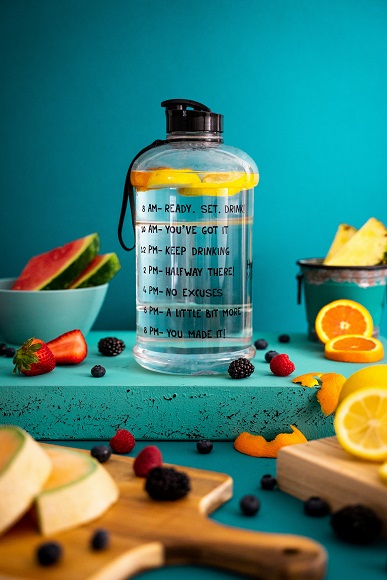
Hydration importance is the process of providing adequate fluid intake to maintain optimal bodily functions. In essence, it refers to the body’s state of being adequately filled with water, which is essential for both physiological and psychological health. Water constitutes approximately 60% of the human body and is involved in numerous vital processes, including temperature regulation, nutrient absorption, and waste elimination.
The body requires a specific quantity of water on a daily basis to function properly, generally recommended as about 8-10 cups (or 2 to 2.5 liters) per day for an average adult. However, individual water needs can vary based on factors such as age, activity level, and climate. For instance, someone who engages in regular physical activity may require more water to replace fluids lost through sweat. Likewise, individuals living in warmer climates may need to increase their water intake to prevent dehydration.
Signs of dehydration can manifest in various ways, with common symptoms including thirst, dry mouth, fatigue, and dizziness. In more severe cases, dehydration can lead to headaches, rapid heart rate, and confusion, emphasizing the necessity of consistent water consumption. By recognizing these symptoms, individuals can take proactive steps to ensure they remain hydrated.
Incorporating sufficient water into one’s daily routine is not merely a matter of thirst. Hydration plays a pivotal role in maintaining energy levels, supporting cognitive function, and promoting overall well-being. Therefore, understanding the significance of hydration can motivate individuals to prioritize their water intake, reinforcing the benefits of drinking more water every day, and fostering healthier habits.
Health Benefits of Increased Water Consumption
Increased water consumption offers a multitude of health benefits that are critical to maintaining overall well-being. One of the primary advantages is the enhancement of physical performance. Studies have shown that even mild dehydration can significantly impair physical performance, particularly during intense exercise. Drinking sufficient water enables the body to regulate temperature and lubricate joints, thus promoting endurance and vitality during physical activities.
Another key benefit of drinking more water is improved cognitive function. Research indicates that dehydration can negatively affect mood, memory, and brain performance. Hydrated individuals are more likely to experience enhanced concentration, improved short-term memory, and greater alertness. Thus, maintaining optimal hydration levels is crucial for productivity and cognitive clarity.
Moreover, proper hydration plays a vital role in digestion. Water assists in the breakdown of food, allowing for better nutrient absorption. It also helps prevent common digestive issues such as constipation. The process of digestion requires fluids for the secretion of digestive juices and the movement of food through the gastrointestinal tract. Therefore, increasing water intake is essential for maintaining digestive health.
Weight management is another significant benefit associated with drinking more water. Water has been shown to enhance satiety and reduce hunger, which can lead to fewer calorie intakes throughout the day. Furthermore, consuming water before meals can facilitate the feeling of fullness, thereby aiding in weight loss and maintenance efforts.
Lastly, adequate water consumption contributes positively to skin health. Proper hydration helps maintain skin elasticity, moisture, and overall appearance. Experts suggest that drinking enough water can help reduce signs of aging and promote a radiant complexion. In summary, the collective health benefits of increased water consumption underscore the importance of hydration for both physical and mental well-being.
Practical Tips for Increasing Water Intake
Increasing daily water consumption can be a simple and effective way to improve overall health. Here are some practical strategies to help you integrate more hydration into your routine.
One effective method is to set reminders throughout the day. Using a smartphone or a smartwatch, you can schedule notifications that prompt you to drink water regularly. This not only serves as a gentle nudge but also establishes a routine that may eventually become second nature.
Another useful strategy is to invest in a reusable water bottle. Having a designated bottle allows for easy tracking of your intake. Opt for a bottle that fits your lifestyle—whether it’s an insulated stainless steel bottle for temperature retention or a collapsible option for on-the-go hydration. Keeping your bottle within sight and easily accessible encourages frequent sips.
Flavoring water is also a commendable approach for those who find plain water unappealing. A few slices of lemon, cucumber, or fresh mint can infuse your water with delightful flavors, making it more enjoyable to drink. Herbal teas and flavored seltzers can be included as well, provided they don’t contain excessive sugars or additives.
Incorporating water-rich foods into your diet can also contribute to your daily hydration importance goals. Foods such as cucumbers, oranges, and watermelon have high water content and can supplement fluid intake. Including these items in your meals or snacks ensures that hydration is not solely reliant on beverages.
Lastly, establishing a routine around meal times can help reinforce drinking habits. For instance, try to drink a glass of water before each meal or snack. Over time, these practices can create a consistent pattern of increased water consumption, ultimately leading to better hydration and overall well-being.
Addressing Common Myths About Water Intake
Many individuals hold misconceptions regarding hydration and water intake, which can impede their effort to stay properly hydration importance. One common myth is the belief that all liquids consumed throughout the day contribute equally to hydration. While it is true that various beverages, such as tea, coffee, and juice, do contain water, they can also have diuretic effects or added sugars, which may not promote hydration in the same way that pure water does. Experts advise looking at water as the most efficient source for hydration, emphasizing its necessity for optimal bodily functions.
Another prevalent myth is the notion that one must adhere to a strict daily water intake guideline, such as the oft-cited eight 8-ounce glasses a day. This recommendation, while rooted in the perspective of adequate hydration, fails to account for individual variations in lifestyle, climate, and overall health. Factors such as physical activity, age, and even the food consumed can significantly influence how much water a person needs. It is crucial to recognize that hydration needs are not one-size-fits-all. Listening to one’s body and assessing thirst cues can be a more practical approach to ensuring adequate hydration.
Moreover, another misunderstanding is connected to the timing of water intake. Many individuals believe that drinking water only when one feels thirsty is sufficient. However, thirst is often a sign that the body is already experiencing mild dehydration. Medical experts recommend proactively drinking water throughout the day, especially when exercising or in hot climates, to maintain optimal hydration levels. By debunking these myths, readers can make more informed choices about their water consumption and ensure they support their overall health through appropriate hydration practices.