
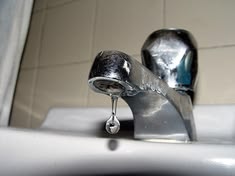
A cup of water spilled on a hardwood floor is a paper towel problem. The same cup inside a wall cavity becomes a construction problem in about two days.
Mold growth needs three ingredients: organic material, a mild temperature, and water. Two of those already sit inside every house on the Central Coast, which leaves water as the single variable a homeowner has any say over.
The question that decides your outcome has little to do with whether spores exist in your home. They do. What matters is how many hours a material stayed damp.
After a slab leak or a washing machine hose that let go while nobody was home, the hours start counting. Any credible mold testing Santa Barbara protocol opens with one question: When did the water start?
That date changes how every later measurement gets read, since a spore count taken on day two carries a different meaning than the same count on day ten. Here is what the clock looks like up close.
What actually happens in the first two days?
On wet cellulose at room temperature, common indoor species germinate somewhere in the 24 to 48 hour range. Drywall paper, framing lumber, cabinet backing, and the fine dust living inside a wall cavity are all cellulose.
Hour one gives you nothing to see. Hour twelve gives you a damp smell you might blame on the trash. By hour sixty, a colony has a foothold in a place your eyes cannot reach.
The restoration industry built its 48-hour drying standard around this window for a practical reason. A wall dried inside that window stays a plumbing repair, but one dried after it tends to become a demolition estimate.
Why does coastal air stretch that window?
Relative humidity along this stretch of coast climbs overnight for long parts of the year. Fog rolls in, the air outside sits near saturation until midmorning, and the house breathes that same air through every gap in the envelope.
Drying depends on a difference in moisture between the wet material and the air around it. Shrink that difference, and the drying slows to a crawl.
A wall assembly that releases its water in two days in Bakersfield can hold it for a week here.
Opening windows during a foggy stretch adds moisture to the room. Running a fan pushes air across a wet surface without giving that moisture anywhere to go. Dehumidification and heat do the real work, and both need to start within the window, not after the smell shows up.
How small can a leak be and still count?
Small and slow beats big and fast in this arithmetic. A burst pipe gets shut off within minutes because someone hears it, while a weeping fitting behind the same cabinet works for months before the floor of it turns soft enough to notice.
These are the sources that keep materials damp long enough to matter.
- A supply line releasing a few drops an hour keeps the base of a sink cabinet wet for months.
- A bathroom fan vented into an attic instead of through the roof deposits warm, humid air onto cold framing every morning.
- Irrigation spraying stucco before sunrise soaks one exterior wall before any heat arrives to dry it.
- A window with failed flashing sends rainwater several feet sideways inside a wall.
- A crawlspace with bare soil releases water vapor into the floor system all year.
None of those events produce a puddle anyone would photograph. Each of them keeps the clock running.
Does a dry surface mean a dry wall?
A painted surface can feel dry to the hand while the framing behind it holds water. Drywall wicks moisture upward from a floor plate and hands it off to insulation, where evaporation slows to almost nothing.
The instruments exist for this reason. Pin and pinless moisture meters read water content through the surface. Infrared thermal imaging shows temperature differences that map where evaporation is happening, which points to where the water sits.
A moisture source assessment traces the pathway before anyone opens a wall.
That sequence saves families from the version of this project where three walls get cut open, and two of them turn out to be fine. Finding the entry point first turns a guessing exercise into a repair with a defined edge.
When is the right moment to put numbers on it?
Testing earns the most when it lands at a decision point. Four moments qualify.
- Within a few days of any water event, when documentation still matches the timeline, and the drying question stays open.
- During escrow, when air and surface results give a buyer grounds for a credit and give a seller a record that protects a disclosure.
- After remediation, when clearance sampling confirms spore concentrations returned to a normal range instead of taking the contractor’s word for it.
- When symptoms fade on vacation and return within a day of getting home, which turns a hunch into something a physician can work with.
Lab turnaround runs a few business days in a standard case. Paying for a rush earns its keep when the waiting carries a cost of its own, like a pending sale or a tenant complaint with a deadline attached to it.
What does a clean report change?
Plenty of tests come back showing indoor spore counts at or below the outdoor baseline. That result has real value.
It closes a loop. The musty smell in the hall closet gets traced to a damp towel or a laundry vent rather than a colony in the framing, and a family stops budgeting for a problem that was never there.
A report that shows elevated levels does the same job in the other direction. Species identification tells you whether you are chasing sustained water intrusion or excess humidity, and those two problems carry different price tags and different fixes.
Either way, the guesswork ends.
What should the next 48 hours look like?
Homes on this coast will keep facing the same conditions: marine layer humidity, aging stucco and flashing, and winter storms that arrive in bursts. The buildings are not going to dry faster on their own.
What changes is how a household responds during the window that decides everything. A leak found on Saturday afternoon becomes a very different project depending on whether the drying starts that evening or the following Wednesday.
Treat every water event as a timed problem. Note the hour it started, get air moving with dehumidification rather than fog-laden outside air, and bring in measurement before the repair.
The houses that stay healthy through the next wet season will be the ones whose owners started counting on day one.