
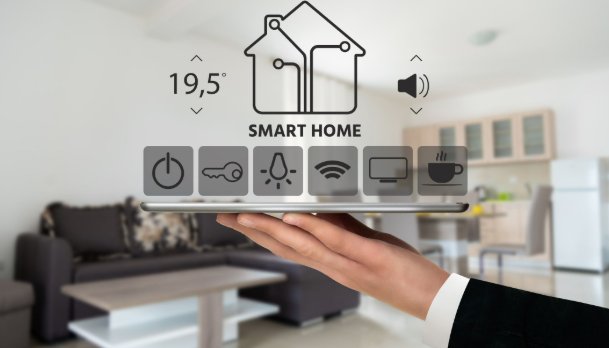
Smart home upgrades are transforming the way families manage electricity, water, and gas use inside their homes. By connecting everyday devices to a central system, these upgrades allow homeowners to monitor and control energy consumption with a level of precision that simply wasn’t possible a decade ago. From thermostats that learn your schedule to lighting that switches off when no one’s in the room, this technology puts efficiency on autopilot.
It’s no surprise that more households are turning to home automation solutions. Rising utility costs, growing environmental awareness, and the increasing affordability of smart devices have all played a role. What once felt like a luxury reserved for tech enthusiasts is now a practical, cost-saving investment for everyday families.
Understanding Home Automation and Energy Savings
At its core, home automation reduces energy waste by ensuring devices only use power when necessary. Instead of a furnace running on a fixed schedule regardless of whether anyone’s home, a smart system adjusts based on actual occupancy and real-time conditions.
The impact on utility bills can be significant. Homeowners who install smart thermostats, for example, often see noticeable reductions in heating and cooling costs simply because the system stops conditioning empty rooms or overworking during off-peak hours. Multiply that across lighting, appliances, and water heating, and the savings compound month after month.
Key Smart Home Upgrades for Energy Efficiency
Smart Thermostats and Temperature Control
Smart thermostats are often the first step into home automation, and for good reason. They learn household routines, adjust temperatures automatically, and can be controlled remotely through a smartphone app. This means no more heating an empty house all day or forgetting to turn down the AC before a vacation.
Intelligent Lighting Solutions
Automated lighting systems use motion sensors, timers, and daylight detection to ensure lights are only on when needed. Some systems even allow homeowners to create custom schedules, dimming lights in the evening or shutting them off entirely once everyone’s gone to bed.
Smart Appliances
Modern smart appliances, from refrigerators to washing machines, are designed to optimize their own energy usage. Many can run during off-peak electricity hours or adjust their cycles based on load size, cutting down on unnecessary power draw.
Home Automation for HVAC and Water Heating
Beyond thermostats, full HVAC automation can regulate airflow and temperature room by room. Smart water heaters work similarly, heating water only when demand is expected rather than maintaining a constant temperature around the clock.
Installation and Setup Considerations
Getting started doesn’t require a complete home overhaul. Many budget-friendly options, like smart plugs or a single smart thermostat, offer a low-cost entry point into home automation without a major upfront investment.
Compatibility matters, too. Before purchasing new devices, it’s worth checking whether they integrate with your existing electrical systems and any smart hub you plan to use. Most modern devices are designed for straightforward installation, with step-by-step app guidance that doesn’t require professional help. That said, more complex upgrades, like whole-home HVAC automation, may benefit from a professional installer to ensure everything runs smoothly.
Getting Started with Your Smart Home Upgrade
Before buying any devices, take stock of your household’s energy needs. Look at recent utility bills, identify which rooms or systems use the most power, and think about your daily routines. This helps prioritize which upgrades will deliver the biggest impact first.
From there, choose devices that align with those needs and your budget. A family struggling with high cooling costs might start with a smart thermostat, while someone concerned about phantom energy use from electronics might begin with smart plugs.
Once your system is in place, don’t treat it as a “set it and forget it” solution. Regularly check your energy usage data through connected apps and adjust settings as your habits change. Small tweaks, like updating a schedule after a change in work hours, can keep your system running as efficiently as possible over time.
Start Building a More Efficient Home Today
Smart home upgrades offer a practical, approachable way to cut energy waste and lower utility bills without sacrificing comfort. Whether it’s a smart thermostat, automated lighting, or a fully connected HVAC system, home automation gives households more control over how and when they use energy.
The best part is that you don’t need to do everything at once. Start small, evaluate what works, and expand your system over time. With a bit of planning, your home can become both more comfortable and more energy-efficient, one smart upgrade at a time.