
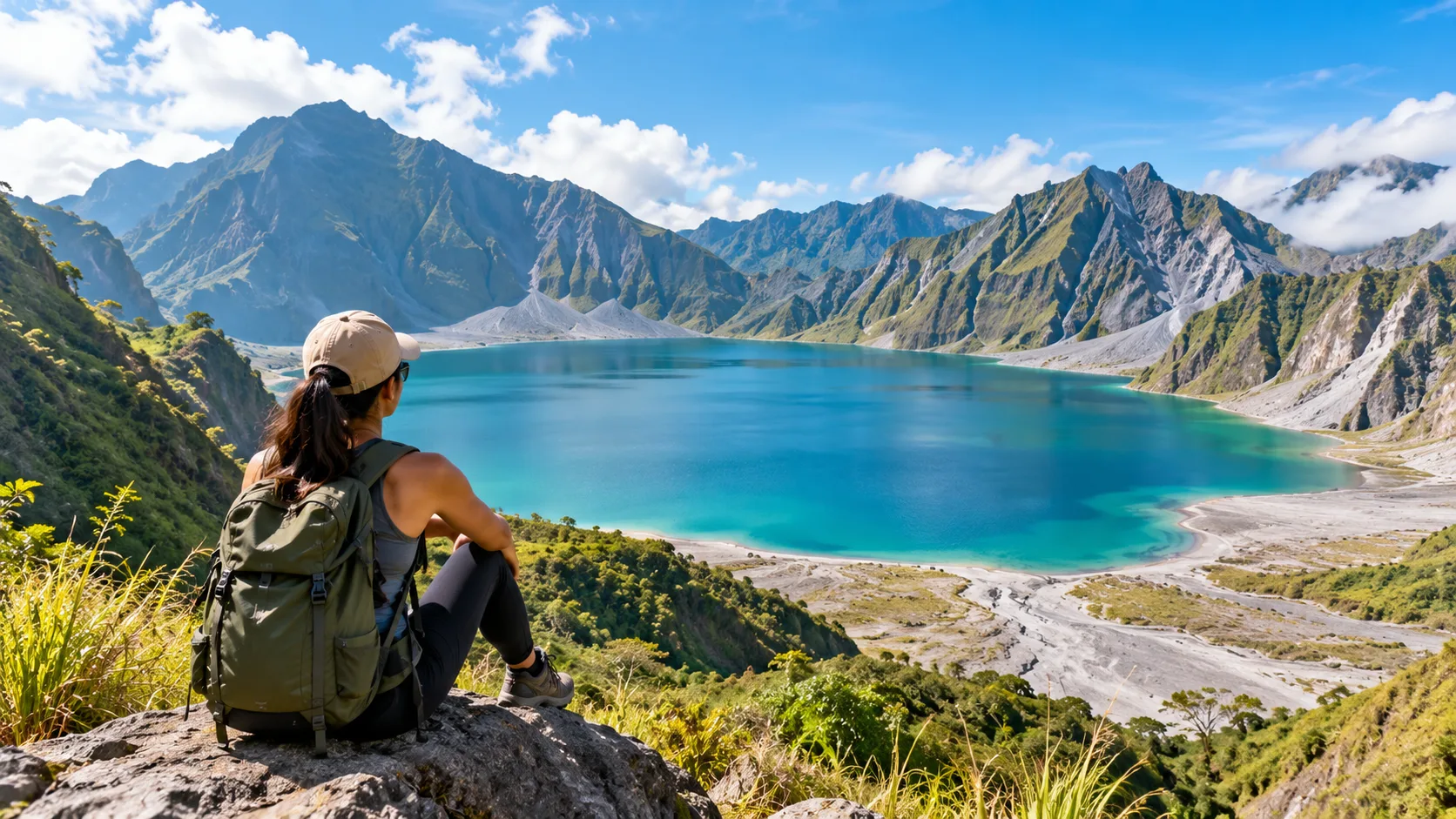
Mt Pinatubo is one of the most fascinating natural attractions in the Philippines, offering dramatic volcanic landscapes and unforgettable outdoor experiences. Located on the island of Luzon, this famous volcano is known for its turquoise crater lake, rugged mountains, and extraordinary geological history. Travelers visit Mount Pinatubo to explore unique scenery and enjoy adventurous journeys. Its remarkable transformation has made it a popular destination for nature enthusiasts.
A trip to Mt Pinatubo combines off-road adventures, scenic hiking, and opportunities to appreciate the natural environment. Visitors can travel across volcanic valleys, walk through rocky landscapes, and admire beautiful mountain views. The journey offers a completely different experience from the tropical beaches commonly associated with the Philippines. Every section of the landscape reveals something interesting about the volcano’s past.
Planning a visit requires understanding transportation options, seasonal weather, local regulations, and trekking conditions. Access to the crater lake can change because of weather, safety restrictions, and government decisions. Choosing suitable travel arrangements helps create a comfortable and organized experience. This Mt Pinatubo travel guide explores the best things to do, remarkable attractions, and practical information for planning your trip.
Why Visit Mt Pinatubo in the Philippines?
Mt Pinatubo is an extraordinary destination because of its dramatic volcanic scenery and fascinating natural history. The mountain became internationally famous following its massive eruption in June 1991. That event significantly transformed the surrounding landscape and created the conditions for today’s crater lake. Visitors can now observe the remarkable geological features left behind by one of the twentieth century’s largest volcanic eruptions.
The destination offers a rare combination of outdoor adventure and peaceful mountain scenery. Travelers encounter wide volcanic valleys, unusual rock formations, and impressive canyon walls during the journey. Unlike conventional mountain destinations covered in dense vegetation, many areas around Pinatubo feature exposed volcanic deposits. These striking landscapes create opportunities to appreciate the powerful natural processes that shaped the region.
Another reason to visit is its relative accessibility from Metro Manila and Central Luzon. Organized excursions often begin in the early morning and can fit within a day trip. However, the journey requires careful preparation because terrain and weather conditions can be unpredictable. Travelers who enjoy geology, landscape photography, and guided outdoor experiences may find Mt Pinatubo particularly memorable.
Explore the Beautiful Mt Pinatubo Crater Lake
The crater lake is the most famous attraction at Mt Pinatubo and the highlight of many sightseeing excursions. Surrounded by rugged volcanic walls, the lake creates a striking contrast between colorful water and rocky mountain scenery. Its appearance can change depending on sunlight, weather, and water conditions. The spectacular setting makes the crater one of the Philippines’ most recognizable volcanic landscapes.
Reaching a designated crater viewpoint can provide breathtaking views of the lake and surrounding caldera. Visitors often appreciate the peaceful atmosphere after traveling across the dusty volcanic valleys. The landscape contains relatively little development, allowing natural formations to dominate the scenery. Photography enthusiasts can capture mountain ridges, volcanic rock textures, and the lake’s distinctive colors from permitted viewing locations.
Although the water may appear inviting, swimming in the crater lake is not recommended and is generally prohibited during organized visits. Volcanic lake conditions can involve unpredictable depths, unstable surroundings, and potential chemical hazards. Visitors should follow official restrictions and remain within designated areas. Admiring the lake from an approved viewpoint offers a memorable experience without unnecessary risk.
Experience the Scenic 4×4 Adventure Through Crow Valley
A guided 4×4 journey through Crow Valley is one of the most distinctive parts of a Mt Pinatubo excursion. The route crosses broad areas containing volcanic ash, sand, and deposits left by past eruptions. Massive mountain formations rise around the valley, creating scenery unlike ordinary countryside roads. The journey introduces visitors to the scale of the landscape before reaching the hiking section.
The terrain includes rocky sections, uneven surfaces, and areas affected by seasonal water flows. Because conditions can change, authorized drivers use designated routes and follow local safety restrictions. Passengers can observe impressive geological features along the way. The contrasting shapes and colors of the surrounding mountains make the journey an important part of the overall sightseeing experience.
Travelers should expect dust, vibration, and exposure to changing outdoor conditions during the vehicle journey. Comfortable clothing and suitable protective items can improve comfort. The ride may not be appropriate for everyone, particularly those with certain medical or mobility concerns. Using authorized tour services and following driver instructions helps make this rugged landscape accessible in a controlled way.
Enjoy the Mt Pinatubo Trekking Experience
The Mt Pinatubo trek is an attractive experience for visitors who enjoy walking through unusual natural environments. Depending on the approved route, the journey may involve rocky trails, sandy pathways, and sections near seasonal streams. The surrounding landscape includes towering volcanic formations and open valleys. Trekking allows visitors to experience geological features more closely than from a vehicle.
Although some established crater routes are considered manageable for many active beginners, actual difficulty varies with weather and trail conditions. Uneven stones, heat, and exposed sections can make walking more demanding than expected. Guided access is important because routes may change or close unexpectedly. Visitors should consider their walking ability and current conditions before participating.
The hiking experience is not simply about reaching the crater lake. The route itself offers views of the changing mountain terrain and distinctive volcanic deposits. Some sections feature narrow valleys bordered by impressive rock formations. Taking time to observe the scenery makes the excursion more rewarding while emphasizing the natural beauty surrounding Mount Pinatubo.
Discover the Unique Volcanic Landscapes and Canyons
Mt Pinatubo is famous for landscapes that look dramatically different from many other Philippine destinations. Vast deposits of volcanic material cover parts of the surrounding valleys, forming pale-colored plains and rugged slopes. Erosion has gradually carved channels and unusual formations into these deposits. The resulting scenery offers fascinating examples of how volcanic activity and water reshape the environment.
Some valleys contain steep walls with visible layers of volcanic sediment. These formations provide opportunities to observe different textures, shapes, and colors across the landscape. Their appearance can change after heavy rainfall or flooding. Visitors should appreciate these features from safe, authorized locations because loose volcanic deposits and unstable slopes can present hazards.
The surrounding mountains also display areas where vegetation has gradually returned following the eruption. This contrast between recovering green landscapes and exposed volcanic terrain is especially striking. It demonstrates how ecosystems respond to major natural disturbances over time. For visitors interested in earth science and environmental change, the landscape offers more than beautiful photography opportunities.
Learn About the Historic 1991 Mt Pinatubo Eruption
The 1991 eruption of Mount Pinatubo was one of the largest volcanic eruptions of the twentieth century. It released enormous quantities of ash and volcanic material, affecting communities across Central Luzon. The eruption also sent sulfur dioxide into the atmosphere, influencing global temperatures temporarily. Understanding this event adds historical meaning to the scenery visitors encounter today.
The eruption changed river systems, damaged infrastructure, and displaced many residents. Rainfall interacting with volcanic deposits created destructive mudflows known as lahars, which affected surrounding communities for years. These events demonstrated the long-term consequences that major eruptions can have beyond the initial volcanic activity. Local communities continue to carry important memories of this period.
Learning about Pinatubo’s history helps visitors appreciate the region beyond its tourism appeal. The volcano represents both the power of nature and the resilience of communities affected by disaster. Geological monitoring remains important because Mount Pinatubo is an active volcano. Travelers should treat the destination as a sensitive natural environment rather than an ordinary recreational park.
Appreciate Local Aeta Culture and Communities
The Aeta are Indigenous peoples with longstanding cultural and ancestral connections to areas surrounding Mount Pinatubo. Their communities experienced significant disruption during and after the 1991 eruption. Today, Indigenous residents continue to maintain distinctive cultural traditions and connections to their ancestral lands. Understanding their history adds an important human perspective to the volcanic landscape.
Community participation plays a role in tourism activities around certain Mount Pinatubo routes. Local knowledge can contribute to visitor understanding of the environment, its history, and its cultural significance. However, the specific arrangements for guiding and community participation vary between areas. Travelers should choose tourism experiences that respect local authority, community rights, and established access agreements.
Visitors should approach Indigenous communities with respect rather than treating residents as tourist attractions. Photographs should only be taken with permission, particularly when individuals or private community spaces are involved. Respecting local customs and supporting community-led initiatives can encourage more responsible tourism. Cultural awareness makes the Mt Pinatubo experience more meaningful while recognizing the people connected to the region.
Best Time to Visit Mt Pinatubo
The best time to visit Mt Pinatubo is generally during the Philippines’ drier months, often between November and April. This period commonly provides more favorable conditions for outdoor excursions and landscape viewing. Clearer skies can improve visibility around the crater lake and surrounding mountain ridges. However, individual weather conditions still vary, and dry-season travel does not guarantee access.
The rainy season generally brings higher rainfall and increased risks along volcanic riverbeds. Heavy rain can trigger flash floods and lahars, making particular routes unsafe. Local authorities may suspend trekking and off-road activities when weather conditions become dangerous. These closures are important safety measures, and travelers should never attempt to bypass them.
Early morning departures are common because they allow excursions to take advantage of cooler conditions and approved access schedules. Midday temperatures can become uncomfortable in exposed areas with limited shade. Travelers should confirm current weather forecasts and official route status before departure. Flexibility is essential because unexpected closures may require rescheduling an otherwise carefully planned trip.
How to Get to Mt Pinatubo From Manila and Clark
Mt Pinatubo is located in Central Luzon, with the volcano spanning areas associated with Zambales, Tarlac, and Pampanga. One established visitor approach begins near Santa Juliana in Capas, Tarlac. The area serves as an important departure point for guided crater excursions when the route is operating. Alternative approaches may be available depending on local permissions and conditions.
Travelers coming from Metro Manila commonly reach the jump-off area by road through Central Luzon. Clark and nearby communities can also serve as convenient starting points for regional visitors. Actual travel duration depends on traffic, departure location, and road conditions. Because excursions often start early, transport arrangements should be confirmed before the travel date.
Access beyond the designated registration area generally requires authorized vehicles and local guiding arrangements. Independent private vehicles cannot simply continue across restricted volcanic terrain. Some routes also involve military-controlled areas and additional permissions. Visitors should verify the applicable entry requirements, registration procedures, and operational status through appropriate local tourism authorities before organizing their journey.
Plan a Mt Pinatubo Day Trip or Guided Tour
A Mt Pinatubo day trip usually combines road transportation, a guided off-road journey, and a walk to a permitted viewpoint. The precise itinerary depends on the selected route and current access conditions. Some excursions include additional scenic stops, while others focus mainly on the crater lake. Understanding what is included helps travelers establish realistic expectations.
Organized tours may coordinate transportation, registration, guide services, and necessary permissions. However, package details can vary significantly between operators. Travelers should verify whether access is officially permitted and whether a service is appropriately authorized. Clear arrangements are particularly important for visitors unfamiliar with the area or traveling from distant cities.
Allow enough flexibility in your schedule for weather-related delays and changes in access. Mt Pinatubo is a natural environment where safety restrictions may override planned activities. A canceled excursion can be disappointing, but closures should always be respected. Choosing reputable arrangements and understanding the limitations of the destination help create a more responsible travel experience.
What to Bring for a Mt Pinatubo Visit
Packing appropriately can make a significant difference to comfort during a Mount Pinatubo excursion. The landscape includes dusty areas, exposed walking routes, and limited shelter from strong sunlight. Comfortable walking shoes with reliable grip are particularly useful on uneven surfaces. Lightweight clothing, a sun hat, and suitable sun protection can also help during outdoor activities.
Drinking water and practical snacks are important because services may be limited beyond established visitor areas. A small backpack makes it easier to carry personal belongings without unnecessary weight. Protecting phones and cameras from dust and moisture can prevent equipment problems. Travelers should also consider any personal medication and other essentials appropriate to their individual needs.
Visitors should avoid carrying unnecessary valuables during the excursion. Weather can change unexpectedly, making lightweight rain protection useful even outside the wettest months. Any rubbish should be carried back to an appropriate disposal point. Responsible packing supports personal comfort while reducing the environmental impact of tourism around this fragile volcanic landscape.
Explore Nearby Attractions Around Mt Pinatubo
Central Luzon offers several additional destinations that travelers can explore before or after a Mount Pinatubo excursion. Clark and Angeles City provide accommodation options, restaurants, and cultural attractions. These areas can serve as practical bases for visitors exploring Pampanga and nearby provinces. Their transport connections also make regional sightseeing easier to organize.
Visitors interested in history may explore cultural landmarks and museums in Tarlac and Pampanga. The region has important connections to Philippine history, Indigenous heritage, and wartime events. Local markets provide opportunities to discover regional products and traditional cuisine. Adding cultural sightseeing can create a more varied itinerary beyond the volcano’s natural attractions.
Travelers interested in broader outdoor experiences can also explore selected nature destinations in Central Luzon, subject to local conditions. Scenic countryside areas and established visitor attractions offer alternatives when volcanic routes are temporarily unavailable. Choosing nearby activities according to weather and accessibility can improve travel flexibility. Combining natural scenery with local culture makes the wider region worth discovering.
Conclusion
Mt Pinatubo is one of the Philippines’ most remarkable destinations, offering spectacular volcanic landscapes and memorable outdoor experiences. Its beautiful crater lake, rugged valleys, and fascinating geological formations attract travelers interested in nature and adventure. The mountain’s extraordinary history adds depth to every visit. Exploring the region provides an opportunity to appreciate both natural beauty and environmental transformation.
A successful Mount Pinatubo trip requires preparation, respect for local communities, and awareness of changing environmental conditions. Guided excursions can provide access to approved routes while helping visitors understand the surrounding landscape. Weather restrictions and operational changes should always be taken seriously. Planning flexible arrangements makes it easier to enjoy the experience responsibly.
Whether you are interested in photography, volcanic history, or scenic mountain landscapes, Mt Pinatubo offers something distinctive. The journey reveals an extraordinary setting shaped by one of history’s most significant modern volcanic eruptions. Its combination of rugged scenery and peaceful crater views makes it especially memorable. With suitable planning, visiting Mt Pinatubo can become a highlight of a Central Luzon itinerary.
Frequently Asked Questions
Is Mt Pinatubo worth visiting?
Yes, Mt Pinatubo is known for its beautiful crater lake, unusual volcanic landscapes, and fascinating history. It is particularly appealing to travelers interested in geological scenery, landscape photography, and guided outdoor experiences.
How difficult is the Mt Pinatubo trek?
Some established routes are considered manageable for active beginners, but difficulty depends on trail conditions, weather, and individual fitness. Uneven terrain and heat can make the journey more demanding than expected.
Can you swim in the Mt Pinatubo crater lake?
Swimming in the crater lake is generally prohibited and should be avoided because of safety concerns. Visitors can appreciate its scenery from authorized viewpoints while following local restrictions and guide instructions.
What is the best month to visit Mt Pinatubo?
December through March often offers favorable dry-season conditions for sightseeing. However, access depends on current weather, official permissions, and route conditions, so travelers should confirm operational status before departure.
Can you visit Mt Pinatubo without a tour guide?
Access to established crater routes generally requires authorized local guides and transportation arrangements. Requirements can change, and visitors should follow current regulations rather than attempting to enter restricted volcanic areas independently.