
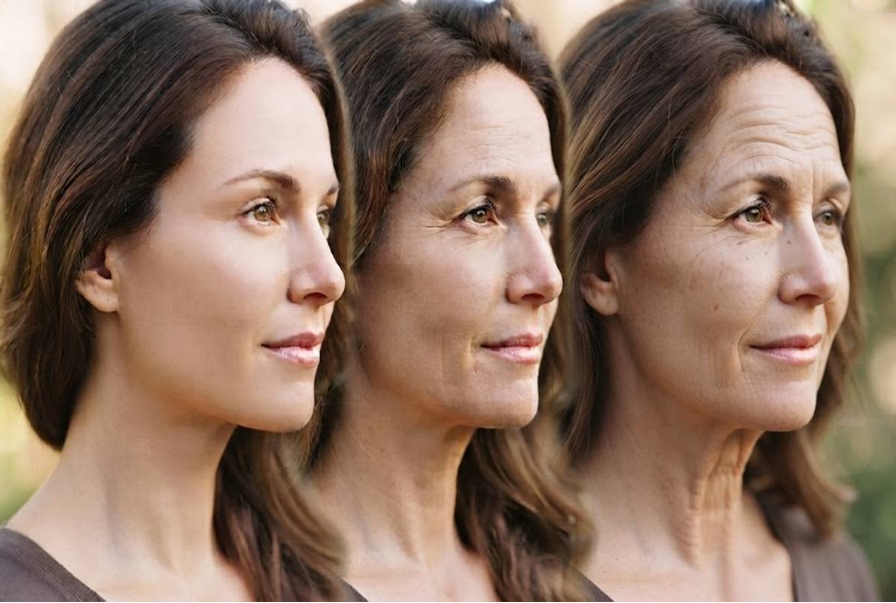
Your skin is constantly changing. From your 20s to your 40s and beyond, factors such as hormones, genetics, sun exposure, lifestyle, stress, and natural aging can influence how your skin looks and feels. Understanding how your skin changes in your 20s, 30s, 40s, and 50s can help you adjust your skincare routine according to your skin’s changing needs.
There is no single routine that works perfectly for everyone throughout life. The products and habits that suit your skin in your 20s may not provide the same benefits in your 40s or later. By recognizing these changes early, you can focus on maintaining healthy, comfortable, and radiant-looking skin at every stage.
1. Your Skin in Your 20s
Your 20s are often a time when the skin still has plenty of natural collagen, elasticity, and moisture. However, this does not mean that skincare can be ignored. Acne, excess oil, uneven texture, and sensitivity may still be concerns, especially because hormonal fluctuations can continue into adulthood.
During this decade, prevention is particularly important. Daily sun protection can help reduce the long-term effects of ultraviolet exposure, while gentle cleansing and regular moisturizing help support the skin barrier.
A simple routine can include a mild cleanser, moisturizer, and broad-spectrum sunscreen. If acne or uneven pigmentation is a concern, targeted ingredients may also be useful depending on your skin type.
What to Focus On?
Establishing healthy habits in your 20s is more important than using a complicated collection of products. Paying attention to how your skin changes in your 20s, 30s, 40s, and 50s can help you develop a consistent routine that evolves with your needs. Avoid excessive exfoliation and harsh treatments that can leave the skin irritated.
This is also a good time to learn how your skin responds to different ingredients. Consistency matters more than having an extensive skincare shelf.
2. Your Skin in Your 30s
Your 30s can bring subtle changes that may not have been noticeable during your 20s. Collagen production gradually begins to decline, and the skin may become slightly drier or less resilient. Fine lines can start appearing, particularly around the eyes and forehead.
Sun damage accumulated over previous years may also become more visible as uneven pigmentation, dullness, or changes in texture. At the same time, busy schedules, stress, lack of sleep, and environmental exposure can affect the overall appearance of the skin.
A consistent routine becomes increasingly valuable during this decade. Sunscreen remains one of the most important daily steps, while moisturizing helps maintain a healthy skin barrier. For people interested in addressing specific cosmetic concerns, aesthetic treatments in your 30s may also be considered after discussing suitable options with a qualified professional.
Early Signs to Notice
You may begin to notice:
- Fine lines when making facial expressions
- Slight changes in skin firmness
- Uneven skin tone or sun spots
- Increased dryness or sensitivity
- A slower recovery from irritation
These changes are normal and do not mean your skin is becoming unhealthy. They simply indicate that your skincare needs may be evolving.
3. Your Skin in Your 40s
By your 40s, changes in collagen and elastin can become more noticeable. The skin may appear less firm, and fine lines can become more defined. Many people also experience increased dryness or changes in skin texture.
Hormonal changes can have an important influence during this decade. Some people experience increased sensitivity, dryness, breakouts, or changes in pigmentation. Skin that was once oily may feel drier, while previously balanced skin can become more reactive.
At this stage, supporting the skin barrier becomes particularly important. Gentle cleansing, consistent moisturizing, and daily sun protection can help keep the skin comfortable and healthy-looking.
A More Targeted Routine
Your routine may benefit from ingredients designed to address specific concerns such as fine lines, uneven tone, or loss of firmness. However, introducing several strong products at once can cause irritation.
Instead, add new products gradually and pay attention to how your skin responds. If persistent pigmentation, severe dryness, unusual growths, or other concerning changes appear, professional medical advice is appropriate.
4. Your Skin in Your 50s
The 50s can bring more noticeable changes in hydration, elasticity, and texture. For many women, hormonal changes associated with menopause can contribute to dryness and increased sensitivity. The skin may also become thinner and recover more slowly from irritation.
Moisturization becomes especially important. Richer creams or barrier-supporting ingredients may feel more comfortable than lightweight formulas used in earlier decades.
Sun protection remains essential because ultraviolet exposure continues to contribute to visible skin aging. Protecting the skin with sunscreen, protective clothing, and shade can complement an established skincare routine.
At this stage, skincare should focus on comfort, hydration, protection, and addressing individual concerns rather than trying to completely stop natural aging.
5. Your Skin in Your 60s and Beyond
As you move into your 60s and later decades, how your skin changes in your 20s, 30s, 40s, and 50s becomes part of a longer process of natural aging. The skin generally becomes thinner, drier, and more delicate. Natural oil production may decrease, making the skin more prone to dryness and irritation.
The skin’s ability to retain moisture can also decline. Fine lines, wrinkles, pigmentation, and changes in firmness may become more noticeable. Because the skin can become more sensitive, aggressive exfoliation or overly strong products may no longer be appropriate.
A simple, nourishing routine can often be more beneficial than a complicated collection of products.
Keep It Gentle
Use a gentle cleanser, apply moisturizer regularly, and continue protecting exposed skin from the sun. Look for products that support hydration and the skin barrier rather than relying on harsh treatments.
It is also important to pay attention to changes that are not typical signs of ordinary aging. New or changing moles, persistent sores, unusual spots, or rapidly changing skin should be evaluated by a qualified healthcare professional.
What Stays Important?
Although your skincare routine may change with age, several fundamentals remain valuable throughout every decade.
Sun Protection
Sun exposure is one of the major external factors associated with premature skin aging. Regular broad-spectrum sunscreen use can help protect against ultraviolet damage. Reapplication is especially important when spending extended periods outdoors.
Moisture
Healthy-looking skin needs adequate hydration and a functioning protective barrier. As the skin becomes drier with age, moisturizing can become even more important.
Gentle Care
Scrubbing aggressively or constantly switching between powerful products can irritate the skin. Gentle cleansing and gradual introduction of new ingredients are generally better approaches.
Healthy Lifestyle
Skincare products are only one part of maintaining healthy-looking skin. Adequate sleep, a balanced diet, regular physical activity, stress management, and avoiding smoking can all support overall well-being and may contribute to healthier-looking skin.
Adapting Your Routine
One of the biggest skincare mistakes is assuming that a routine should remain unchanged for decades. Your skin can respond differently to products as your age, hormones, environment, and lifestyle change.
Instead of following trends blindly, evaluate your skin periodically. Ask whether it feels dry, oily, sensitive, congested, or uneven. Then adjust your routine according to those needs.
Remember that natural aging is not a problem that needs to be fixed. Fine lines, wrinkles, and changes in texture are normal parts of life. Good skincare should support your skin rather than create unrealistic expectations.
Why Visit New You Aesthetics?
Located in Crown Point, Indiana, New You Aesthetics is a med spa that provides personalized aesthetic treatments to refresh your appearance and address individual skin concerns. Its services are designed to create natural-looking results while supporting your personal beauty goals.
With a focus on enhancing rather than changing your appearance, New You Aesthetics helps you feel more confident in the features that make you uniquely you. Professional guidance and customized treatments can make aesthetic care a more comfortable and personalized experience.
Final Thoughts
Every decade brings new changes to your skin, but aging does not mean losing the ability to have healthy and beautiful-looking skin. Understanding how your skin changes in your 20s, 30s, 40s, and 50s can help you make thoughtful skincare choices at every stage. Your 20s are a valuable time to establish protective habits, while your 30s and 40s may call for greater attention to hydration, texture, and visible signs of aging. In your 50s, 60s, and beyond, gentle care and barrier support can become increasingly important.
The best approach is to understand what your skin needs at each stage and build a consistent routine around those needs. With appropriate sun protection, hydration, gentle products, and healthy lifestyle choices, you can care for your skin confidently through every decade.