
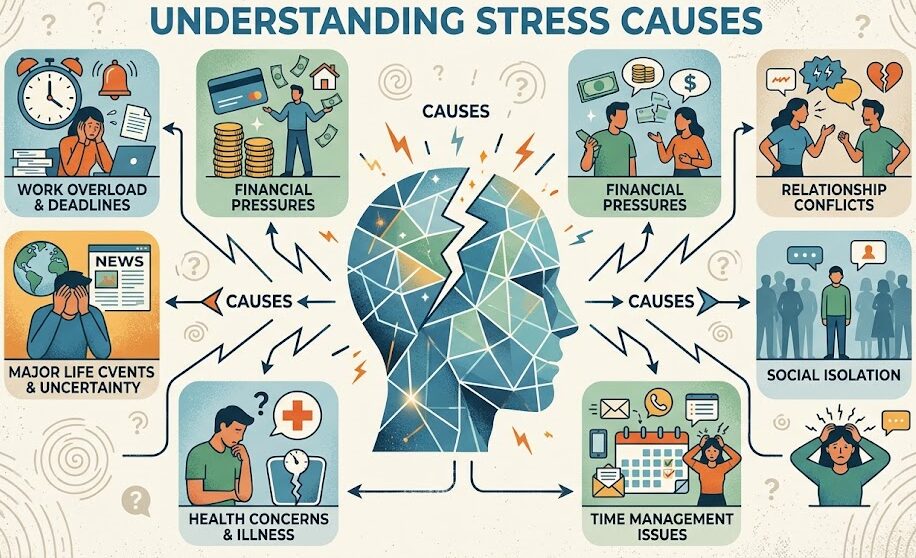
Stress is a complex psychological and physiological response that occurs when an individual perceives a disparity between challenges and their resources to cope. It can emerge from a variety of sources, both external and internal. Common causes of stress in daily life include demanding work environments, personal relationships, financial pressures, and health concerns. These factors can trigger the body’s stress response, often referred to as the “fight or flight” mechanism, which prepares an individual to face perceived danger by either confronting it or fleeing from it. This response is characterized by numerous physiological changes, such as increased heart rate, elevated blood pressure, and the release of stress hormones like cortisol and adrenaline. While short-term stress can be beneficial by motivating individuals to take action and perform better under pressure, chronic stress can have detrimental effects on both physical and mental health. Prolonged exposure to stress may lead to anxiety, depression, insomnia, and various physical ailments, such as cardiovascular diseases, compromised immune function, and digestive problems. It also contributes to an overall decline in well-being, impacting daily activities and interpersonal relationships.
Importantly, not all stress is inherently negative. Good stress, also known as eustress, can manifest during positive life events, such as starting a new job, getting married, or pursuing personal goals. This type of stress aids in growth and is generally perceived as manageable and even rewarding. Conversely, bad stress, or distress, can overwhelm an individual, leading to feelings of helplessness and despair. Recognizing the distinction between these types of stress is essential for effective stress management, allowing individuals to identify coping strategies that foster resilience and promote a more peaceful life.
Practical Techniques to Reduce Stress
Reducing stress is essential for maintaining overall well-being and enhancing the quality of life. Various practical techniques can be explored to manage and alleviate stress effectively. One of the most widely recognized strategies includes mindfulness practices, such as meditation and deep breathing exercises. By allocating just a few minutes each day to meditate or engage in intentional breathing, individuals can foster a sense of calmness and clarity, making it easier to navigate daily challenges.
Physical activity is another effective approach to combat stress. Exercises such as yoga combine both movement and breath, offering not only physical benefits but also promoting mental tranquility. For those who prefer a more straightforward option, a simple daily walk can significantly reduce stress levels. Engaging with nature or even strolling through a neighborhood can provide a momentary escape from daily pressures, enhancing mood and vitality.
Lifestyle changes also play a crucial role in stress management. Organizing and prioritizing tasks can prevent feelings of being overwhelmed. Creating a daily schedule helps individuals to focus on one task at a time, thereby reducing stress related to managing multiple responsibilities. Additionally, ensuring that ample time is dedicated to relaxation and leisure activities is vital. Incorporating hobbies that bring joy or relaxation can serve as a valuable counterbalance to the demands of life.
It is important to recognize that each individual may respond differently to various techniques. Experimenting with different methods and tailoring them to suit personal preferences is essential in finding the right combination that fosters peace and reduces stress. Embracing a holistic approach that combines mindfulness, physical activity, and lifestyle adjustments may lead to more effective stress management, promoting a more serene and fulfilling life.
Creating a Peaceful Environment
The surroundings in which one lives and works significantly affect stress levels and overall well-being. A peaceful environment contributes to mental clarity, emotional stability, and productivity. Therefore, taking proactive steps to create a calming space is vital for reducing stress.
One effective method to enhance tranquility in any space is decluttering. A clean and organized area can lead to improved focus and a sense of control. Spend some time going through your belongings, discarding items that no longer serve a purpose, and arrange the essentials in an orderly fashion. Group similar items and avoid overcrowding shelves or tables to create a visually appealing environment.
Integrating natural elements into your space is another way to foster peace. Nature has a calming effect, and incorporating plants, natural light, or water features can dramatically change the ambiance of a room. Plants not only purify the air but also contribute to a soothing aesthetic. Consider adding low-maintenance varieties to your home or workspace for a touch of greenery.
Establishing a routine that promotes tranquility can also be beneficial. Allocate specific times for relaxation, meditation, or mindfulness practices within your daily schedule. Incorporating these activities helps to create designated periods of calm amidst a hectic day. A peaceful environment combined with a stable routine can significantly alleviate stress levels.
Ultimately, creating a peaceful environment requires mindfulness and intentionality. By reducing clutter, enriching your space with nature, and establishing calming routines, you can enhance your surroundings and, consequently, your quality of life. These small yet impactful changes pave the way for a more serene existence, allowing you to navigate life’s challenges with greater ease.
Building Resilience: Long-Term Strategies for Peaceful Living
Resilience is a crucial trait that contributes significantly to achieving a peaceful life. It enables individuals to cope with stress and adversity while maintaining emotional stability and mental health. Cultivating resilience involves adopting strategies that promote self-care, fostering social connections, and developing a positive mindset. These actions create a robust foundation for long-term stress management and overall well-being.
Self-care is a fundamental aspect of building resilience. Engaging in regular physical activity, ensuring proper nutrition, and prioritizing sleep are vital components of maintaining personal health. Additionally, practicing mindfulness through meditation and relaxation techniques can enhance awareness and help manage day-to-day stressors. By implementing these self-care practices consistently, individuals can significantly reduce stress levels and improve their overall quality of life.
Establishing and nurturing social connections is another essential strategy for enhancing resilience. Support from family, friends, and community members provides a safety net during challenging times, allowing individuals to share experiences and seek advice. Building a reliable support network not only helps in coping with stress, but also fosters a sense of belonging and purpose. To strengthen social ties, consider engaging in community activities, volunteering, or simply reaching out to reconnect with old friends.
Lastly, developing a positive mindset plays a pivotal role in resilience. Embracing optimism and reframing negative thoughts can improve one’s outlook on life. Techniques such as keeping a gratitude journal, where individuals jot down things they appreciate, may enhance awareness of the positive aspects of life, even amidst challenges. Techniques such as positive self-talk and visualizing successful outcomes can also shift perceptions, leading to a more resilient and peaceful state of mind.
By incorporating these practices into daily routines, individuals can effectively cultivate resilience, leading to a lasting impact on stress levels and overall life quality. In pursuit of a more peaceful existence, prioritizing resilience will equip individuals with the tools necessary for navigating life’s complexities with grace and composure.