
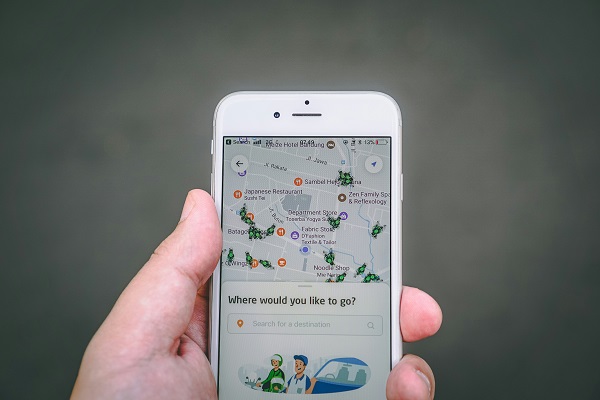
In the modern travel landscape, best travel apps have become indispensable tools for both seasoned and novice travelers alike. These applications serve various purposes, from simplifying the planning stages of a journey to enhancing the overall travel experience. By leveraging mobile technology, travel apps revolutionize the way individuals approach trips, allowing them to manage itineraries, book accommodations, and discover local activities with unprecedented ease. The rising reliance on smartphones and tablets in our daily lives extends seamlessly into the realm of travel. As individuals seek to optimize their itineraries, travel apps provide an efficient solution by offering features such as real-time updates, location services, and curated recommendations. This technological advancement not only streamlines the planning process but also empowers users to make informed decisions while on the go. Consequently, travelers can focus more on enjoying their experiences rather than getting bogged down by logistical challenges.
In this blog post, we will delve into a selection of the best travel apps available that can significantly simplify travel planning and contribute positively to overall experiences. By leveraging these innovative tools, travelers can enhance their adventures while reducing the stresses often associated with travel.
Top Travel Apps for Planning and Booking
In today’s fast-paced world, travel apps play a pivotal role in simplifying the trip planning and booking processes. Several mobile applications have emerged as leaders in this space, offering users streamlined solutions for finding flights, securing accommodations, and creating comprehensive itineraries.
One such application is Skyscanner, a versatile platform that allows users to compare flight prices across different airlines and travel agencies. Skyscanner is particularly valued for its user-friendly interface, which enables travelers to book flights with ease. Its unique selling point lies in the “Everywhere” search option that lets users discover the cheapest destinations based on their departure point. This feature is ideal for those seeking spontaneous travel adventures.
Another noteworthy app is Kayak, which provides a robust search engine for flights, hotels, and car rentals. Kayak empowers travelers by presenting them with various filters to customize their searches, making it easier to find the best deals. The app also includes price alerts and a personalized itinerary feature, enhancing user experience through convenience and efficiency.
When it comes to creating travel itineraries, TripIt stands out as an exceptional app. Users can compile their travel plans in one consolidated location, automatically importing confirmations for flights, accommodations, and other bookings from email. This app ensures that travelers have all their information readily accessible, which is invaluable during busy travel days. Its intuitive organization and user-friendly design significantly enhance the travel experience.
Additionally, Airbnb has transformed the accommodation booking landscape, allowing users to explore a wide variety of lodging options that often include unique living experiences, beyond traditional hotels. Its user reviews and flexible cancellation policies add to its appeal.
In conclusion, utilizing top travel apps for planning and booking can significantly ease the burden of preparing for a trip. By leveraging features offered by applications such as Skyscanner, Kayak, TripIt, and Airbnb, travelers can enjoy a more efficient and enjoyable travel experience.
Travel Apps for Navigation and Exploration
Traveling to new destinations can often pose challenges, particularly when it comes to navigation. Fortunately, there are numerous travel apps available that facilitate movement and exploration, ensuring that your adventures are both efficient and enjoyable. Navigation apps play a crucial role in helping travelers find their way, providing real-time, turn-by-turn directions, and offering alternative routes based on traffic conditions.
One of the most widely used navigation tools is Google Maps, which not only provides driving directions but also features public transportation options. This makes it easier for travelers to navigate unfamiliar cities without the risk of getting lost. Additionally, Google Maps offers an extensive database of local businesses, restaurants, and attractions, allowing users to discover and explore popular sites nearby. The integration of user reviews and photos enhances the exploration experience by providing insights about various locations.
Moreover, local guide apps, such as TripAdvisor and Yelp, can be exceptionally beneficial for travelers seeking recommendations for things to do and places to eat. These apps leverage user-generated content, offering up-to-date reviews and suggestions from fellow tourists and locals alike. They help travelers make informed decisions based on firsthand experiences, thereby enriching their journey.
Transportation apps, like Uber and Lyft, further ease the exploration process, enabling visitors to arrange rides conveniently from one point to another without the need for a rental car. These apps also provide estimated fares, which can help budget-conscious travelers navigate their expenses effectively.
In conclusion, travel apps designed for navigation and exploration greatly enhance the travel experience. By integrating mapping services, local guides, and transportation options, these applications aid travelers in discovering new places with confidence, making their journeys more enriching and less complicated.
Apps for Managing Travel Logistics
For travelers, managing logistics can be one of the most challenging aspects of any journey. Fortunately, there are a variety of specialized apps designed to streamline these processes, reducing stress and enhancing the overall travel experience. These applications primarily assist in tracking expenses, managing bookings, organizing itineraries, and accessing critical travel advisories, all aimed at giving users a more seamless journey.
Expense tracking apps such as Expensify and Trail Wallet allow travelers to monitor their spending in real-time. By categorizing expenses, these tools enable better financial management, which can be particularly vital for long-term trips or when traveling on a budget. Additionally, users can store and manage receipts digitally, providing a convenient way to keep track of costs incurred during their travels.
Booking management is another key area where dedicated apps shine. Platforms like TripIt or Kayak help consolidate reservations across multiple services, including flights, hotels, and car rentals, into one easily accessible itinerary. These applications often offer additional features such as flight alerts, gate changes, and travel updates, allowing users to focus on enjoying their trip rather than worrying about logistics.
Furthermore, staying organized with itineraries can significantly enhance the travel experience. Apps like Google Trips provide an intuitive way to curate and organize plans, from sightseeing to dining reservations. Accessible offline, these tools ensure travelers have their plans at their fingertips, even in areas with limited internet connectivity.
Finally, accessing relevant travel advisories through apps like TravelSafe keeps users informed of any potential changes to their travel plans, including weather conditions, natural disasters, or geopolitical events. By leveraging such resources, travelers can remain proactive and ready to adjust their plans as necessary.