
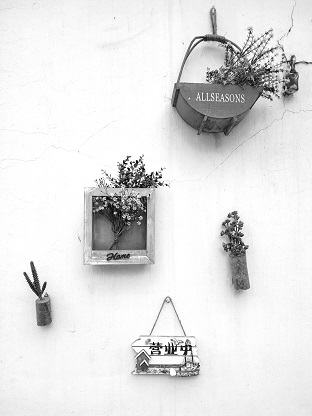
Introduction to Budget Decorating
Decorating your home on a budget decorating ideas is a feasible and rewarding endeavor that allows you to create a personalized living space without incurring significant expenses. In today’s economic climate, many individuals find it necessary to keep a close eye on their finances, which extends to their choices in home decor. The essence of budget decorating lies in the ability to transform spaces creatively, harnessing thriftiness and resourcefulness.
By adopting a budget-conscious approach to home decoration, homeowners can achieve a stylish appearance while maintaining fiscal responsibility. Budget decorating is not about compromising style or quality; instead, it focuses on maximizing creativity and embracing innovative solutions. This often means making the most of existing items, repurposing furniture, or sourcing affordable alternatives that mimic high-end decor pieces.
A major benefit of decorating on a budget is the opportunity to develop unique design ideas that reflect your personal taste without adhering to commercial trends. This approach encourages exploration of arts and crafts, allowing for a sense of artistic expression while also providing fulfillment in the design process. Budget-friendly decor fosters an environment where every piece has a story or personal significance, adding depth to your home.
Furthermore, practicing budget decorating promotes sustainable habits, ultimately contributing to environmental conservation. Individuals can make informed decisions about materials and purchases, opting for eco-friendly options or second-hand items. As a result, budget-conscious decorating not only enhances the aesthetic appeal of your home but also aligns with responsible spending and sustainable practices. With this understanding, homeowners can approach the challenge of decorating their spaces with enthusiasm and creativity, proving that a beautiful home need not always come at a high price.
Understanding Your Personal Style
Before embarking on any decorating project, it is vital to identify your personal style, as it serves as a foundation for your home’s aesthetic. Your style reflects your tastes, preferences, and how you wish to express yourself through your living space. There are numerous decorating styles to consider, including modern, bohemian, rustic, and more. Each of these styles carries distinct characteristics that can influence your decoration choices effectively and affordably.
Modern style embodies clean lines, minimalism, and functional spaces, often featuring neutral shades and few accessories. If you are drawn to this aesthetic, prioritize budget-friendly items like streamlined furniture and art that aligns with your choices. Alternatively, the bohemian style embraces vibrant colors, eclectic patterns, and a mix of cultures. To achieve a bohemian look on a budget, explore thrift stores for unique textiles and decorative elements that express your individuality.
Rustic style leans towards natural materials—think wood, stone, and earthy tones—creating a cozy and welcoming environment. When decorating in a rustic manner, consider DIY options for furniture or upcycling old items to keep costs low. To discover and define your personal style, begin by creating a mood board or utilizing online resources such as Pinterest. This process involves gathering images, color schemes, and furnishings that resonate with you, providing clarity on what styles you are naturally drawn to.
Additionally, consider exploring local design shops or galleries for inspiration, as well as flipping through home décor magazines. By engaging with these mediums, you can refine your style preferences while finding practical solutions that fit within your budget. Identifying your personal style not only simplifies your decision-making process but also ensures that your home authentically reflects who you are.
Setting a Realistic Budget
Establishing a realistic budget for decorating your home is a foundational step to ensuring your project remains financially manageable. To begin, it is essential to conduct a thorough assessment of your current finances. This includes evaluating your income, expenses, and any outstanding debts. By understanding your financial standing, you can identify how much disposable income is available for home decor.
Once you have a clear picture of your finances, the next step is to determine an appropriate allocation for decor. Consider creating a detailed list of your home decorating needs and desires. This list may encompass various areas such as living rooms, bedrooms, kitchens, or bathrooms. However, prioritizing these areas is crucial, as it allows you to focus your spending efficiently. For example, you might choose to give more attention to high-traffic areas like the living room, while allocating less budget to seldom-used guest rooms.
In addition to prioritizing which areas to decorate first, it’s beneficial to employ tools or methods to track your expenditures. Using spreadsheet software, budgeting apps, or even simple pen and paper can aid in maintaining a clear view of your spending. Document every purchase related to your decorating efforts, and regularly compare this to your initial budget to ensure that you remain within your limits. Allocating funds for unforeseen expenses is also wise, as decorating often involves unexpected costs.
By following these steps—assessing your finances, determining a suitable budget allocation, prioritizing areas for improvement, and tracking spending—homeowners can create a successful plan that enables effective decorating without overspending. This careful, methodical approach sets a solid foundation for transforming your space while adhering to a budget.
DIY Projects for Home Decor
Decorating your home does not always necessitate a significant financial investment. In fact, engaging in do-it-yourself (DIY) projects can provide an exciting opportunity to personalize your space while adhering to a budget. Embracing creativity through DIY home decor not only enhances your living environment but also allows you to repurpose items that may otherwise go unused.
One of the simplest and cost-effective DIY projects involves repurposing old furniture. From turning an outdated cabinet into a stylish bookshelf to transforming an old door into a dining table, the possibilities are endless. A fresh coat of paint or new hardware can breathe new life into worn pieces, making them focal points in your home. Additionally, thrift stores and garage sales are excellent venues for finding items that can be revamped with minimal effort.
Crafting with affordable materials also opens the door to numerous DIY home decor ideas. Consider using materials such as yarn, wood, or fabric remnants to create unique art pieces or decorative accessories. For instance, you could weave a tapestry using leftover yarn or craft a stunning wall hanging from fabric scraps. Such projects not only provide an engaging activity but also yield personalized decor that reflects your style.
Moreover, personalizing your decor can significantly enhance the character of your home. This can be accomplished through simple methods such as displaying family photos in creatively arranged frames or creating a mural with your favorite quotes. Involving your family in these projects can also cultivate a sense of ownership and pride in your home environment.
By embracing DIY projects for home decor, you can creatively infuse your personal touch into your living spaces while saving considerable amounts of money. Not only does this practice allow for the transformation of existing items, but it also fosters individual expression through home styling.
Utilizing Thrift Stores and Flea Markets
Shopping at thrift stores, flea markets, and garage sales presents a unique opportunity to decorate your home on a budget while uncovering hidden treasures. These venues often offer a vast array of second-hand items, ranging from vintage furniture and eclectic decor to gently used household goods. One of the principal benefits of thrift shopping is the affordability. Items found at these locations are typically significantly cheaper than those found in conventional retail stores, allowing you to allocate more of your budget towards creativity and personalization.
To find hidden gems, it’s essential to visit these places regularly, as their inventory changes frequently. Developing a keen eye for potential can help you identify items that may need minor repairs or a fresh coat of paint, yet have potential to become stunning focal points in your living space. Additionally, don’t shy away from pieces that might seem outdated at first glance; with a little imagination and effort, many items can be transformed into stylish decor elements. For instance, an old wooden dresser can be revitalized with some sanding and paint, becoming a modern console table.
Negotiating prices at these venues can often lead to significant savings. Many vendors are open to haggling, especially if you are purchasing multiple items. It is advisable to approach negotiations respectfully and be prepared to walk away if the price does not meet your budget. Remember, thrift shopping is not just about finding cheap items; it’s about discovering unique pieces that tell a story and add character to your home.
The unique aspects of these thrifted items can contribute to creating a personalized living space that reflects your style. The charm of mixing old with new not only enhances the aesthetic appeal but also showcases your individuality. Embrace the thrill of the hunt and the creativity that comes with transforming second-hand objects into beautiful additions to your home.
Incorporating Nature and Plants
Bringing elements of nature into your home decor can create a refreshing and calming atmosphere without straining your budget. Incorporating plants and natural materials not only enhances the aesthetic appeal of your living spaces but also promotes a sustainable lifestyle. By selecting low-maintenance plants, you can enjoy the benefits of greenery in your home while minimizing upkeep costs.
Some popular low-maintenance plants, such as succulents, snake plants, and pothos, are ideal for beginners or those with a busy lifestyle. These plants thrive in various conditions, requiring minimal watering and care. Placing them in aesthetically pleasing pots can further enhance their visual impact. Utilizing planter boxes or hanging planters can create a vibrant display, maximizing space in smaller areas. Additionally, grouping different types of plants together can create a dynamic, layered effect that draws the eye.
Beyond plants, natural materials such as stones, wood, and shells can serve as beautiful decor elements. A collection of smooth pebbles can be displayed in a glass vase or used as a decorative fill in plant pots. Driftwood, either left in its natural state or subtly treated, can be fashioned into rustic wall art or serve as a centerpiece on your dining table. Similarly, shells can be arranged in bowls or framed for wall displays, adding a coastal touch to your space.
Integrating these elements can enhance your home’s overall decor without significant expenditure. Begin by surveying your environment and considering how plants and natural materials can complement your existing furnishings. With thoughtful placement, you can create a harmonious blend of nature and home decor, reflecting your personal style while promoting sustainability.
Creative Use of Paint
Paint serves as one of the most cost-effective tools for transforming a space, allowing homeowners to significantly revitalize their interiors without incurring considerable expenses. A well-executed paint job can dramatically change the ambiance, mood, and perceived size of a room. One popular yet budget-friendly approach to decorating on a budget is the creation of an accent wall. By selecting a bold color or an interesting pattern, homeowners can draw attention to specific areas, adding visual interest without requiring a complete overhaul of existing decor.
In addition to accent walls, furniture transformations have gained popularity as an alternative method to refresh dated pieces. A simple coat of paint can breathe new life into old furniture, making it look modern and appealing. For instance, a distressed finish on a wooden coffee table can introduce a rustic charm, while a solid, vibrant color can create a chic focal point in a living space. When embarking on furniture painting projects, it is essential to select the right type of paint for the material—latex or chalk paint works well on most surfaces, ensuring durability and a pleasing finish.
Another intriguing method to utilize paint creatively involves exploring unique painting techniques. Techniques such as sponging, rag rolling, or color washing can add texture and depth to walls, enabling homeowners to create personalized effects. Stenciling is another option that allows for intricate designs, transforming a plain wall into a gallery of curated art. These techniques not only enhance aesthetics but also provide an engaging experience during the application process.
Accessorizing on a Budget
Accessories play a crucial role in home decor, adding personal touches that reflect one’s style while enhancing the overall aesthetic of a space. When decorating a home on a budget, it is essential to understand how accessories can transform a room without requiring a significant financial investment. By thoughtfully selecting and integrating accessories, individuals can effectively create a warm and inviting atmosphere.
One of the best ways to acquire budget-friendly accessories is through homemade crafts. Engaging in DIY projects not only saves money but also allows you to create unique pieces that cannot be found in stores. For instance, crafting decorative pillows from inexpensive fabric or creating wall art using repurposed materials can infuse your home with personality while keeping costs low. These projects also provide an opportunity to tailor accessories to match your specific color palette and style preferences.
Affordable textiles, such as throw blankets and curtains, are another excellent way to accessorize your living space. Stores often carry seasonal sales where high-quality, budget-friendly items can be purchased. Opting for versatile fabrics in neutral colors can help ensure that these textiles complement various decor themes, giving your home a fresh look without the need for complete overhauls.
Seasonal decor changes also serve as a cost-effective method for refreshing your home. By incorporating seasonal elements such as woven baskets in the autumn or floral arrangements in the spring, you can create a dynamic environment that reflects the time of year. This practice not only keeps your decor exciting but also prevents the need for extensive redecorating while maintaining a budget-friendly approach.
In conclusion, accessorizing on a budget is not only feasible but can be immensely rewarding. By exploring homemade crafts, leveraging affordable textiles, and making seasonal changes, anyone can enhance their home’s decor without compromising on style or breaking the bank.
Conclusion: Transforming Your Space Creatively
Decorating your home on a budget is not only possible but can also be a rewarding and enjoyable experience. The key lies in embracing your creativity and exploring various resourceful ideas that can bring new life to your living space without overwhelming your finances. By focusing on personal touches and unique design elements, you can create a home that reflects your personality and style.
One of the most significant advantages of decorating on a budget is that it encourages you to think outside the box. Instead of relying solely on expensive furniture and decor, consider thrift stores, garage sales, and online marketplaces for hidden treasures. Accessorizing with handmade items, vintage finds, or even DIY projects can result in a genuinely one-of-a-kind environment. Remember, it is not always about how much you spend, but rather how effectively you can utilize what you have.
Add warmth and character to your space through natural elements, such as plants, which can be both budget-friendly and aesthetically pleasing. The use of color can dramatically change the perception of a room; hence, opting for paint or removable wallpaper can instantly refresh the ambiance at a low cost. Additionally, re-arranging existing furniture or art pieces can create a whole new look without any financial outlay.
Ultimately, the essence of transforming your home on a budget lies in your willingness to explore and experiment. Allow your imagination to guide you, and do not hesitate to incorporate diverse styles and influences. This journey of home decorating is a personal expression that can lead to a beautiful and inviting atmosphere—all while remaining mindful of your budget constraints. With creativity and a little resourcefulness, your home can become a comforting sanctuary that welcomes you and your guests with open arms.