
The automotive industry is no stranger to disruption. From electrification to autonomous driving, change is constant. But one area that often gets overlooked in the conversation is braking technology — and it’s evolving faster than most people realize.
For decades, conventional friction-based systems dominated the road. Today, engineers and manufacturers are rethinking that approach entirely. The rise of high-performance vehicles, electric drivetrains, and data-driven safety demands has created real urgency around smarter, lighter, and more durable braking solutions.
For anyone involved in automotive development, fleet management, or performance engineering, understanding where braking technology is headed is no longer optional. It’s a competitive necessity.
The Shift Toward High-Performance Braking Materials
Traditional cast iron rotors have served the industry well, but they come with trade-offs: weight, heat sensitivity, and corrosion over time. That’s why leading manufacturers are increasingly turning to advanced composite materials.
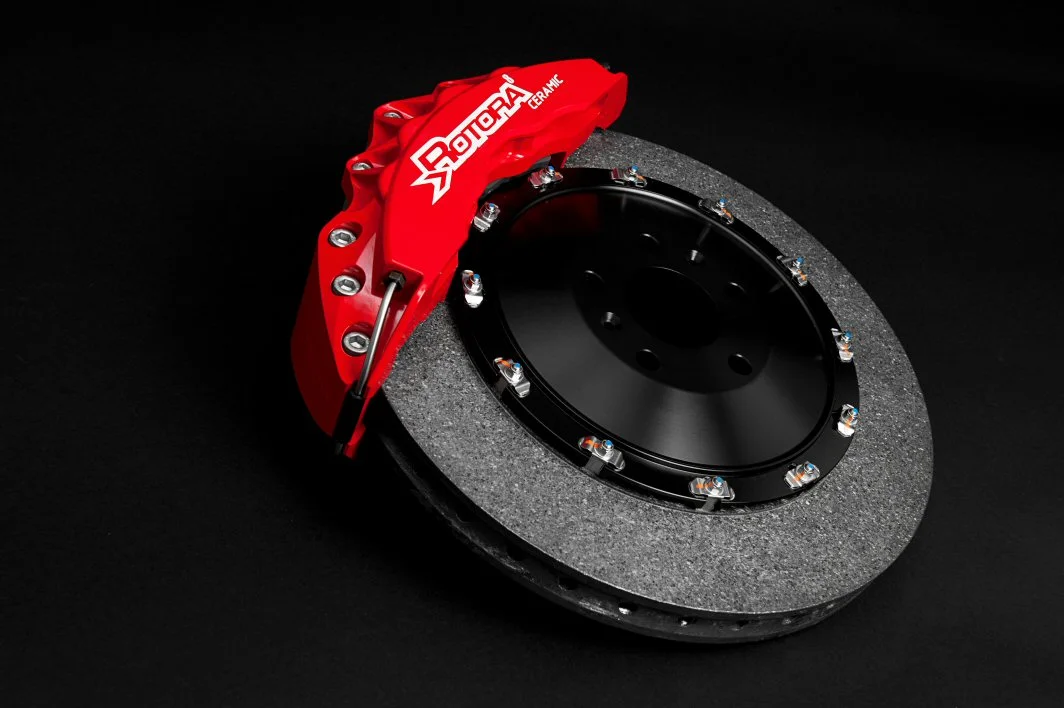
Solutions like carbon ceramic brakes have moved from exotic supercars into mainstream performance vehicles. These systems offer significant thermal resistance, reduced unsprung weight, and longer service life compared to conventional setups. For engineering teams focused on vehicle dynamics, this shift isn’t a luxury — it’s a logical progression.
Alongside rotor upgrades, brake pads themselves have seen substantial material innovation. Compounds are now engineered for specific use cases: track performance, daily commuting, heavy commercial loads, or extreme-weather reliability. Choosing the right pad for a given application has become as technical a decision as selecting the rotor itself.
Software and Sensors: The Intelligence Layer in Modern Braking
Hardware alone no longer tells the full story. Modern braking systems are deeply integrated with vehicle electronics. Anti-lock braking, electronic stability control, and regenerative braking in EVs all rely on a constant data exchange between sensors, ECUs, and the braking components themselves.
This intelligence layer means that braking performance is increasingly a software problem as much as a mechanical one. OEMs and Tier 1 suppliers are investing heavily in predictive brake wear monitoring, adaptive pressure systems, and even AI-assisted braking response for autonomous vehicles.
For software teams and product engineers working at the intersection of hardware and digital systems, this convergence presents both opportunity and complexity. Calibrating brake response to driver intent in real time requires sophisticated algorithms — and the engineering resources to build them.
Electric Vehicles Are Rewriting Braking Requirements
The mass adoption of electric vehicles has added new dimensions to braking engineering. Regenerative braking captures kinetic energy and feeds it back to the battery, which reduces reliance on friction braking during normal deceleration. This sounds like purely good news — but it’s not without complications.
When regenerative systems carry the bulk of the deceleration load, traditional pads and rotors see less use, which can actually accelerate surface corrosion and glazing. Manufacturers are now designing brake components specifically for EV duty cycles, accounting for the uneven heat distribution and infrequent-but-intense friction events these vehicles generate.
Fleet operators and service teams managing EV transitions need to understand this shift. What worked for ICE vehicle maintenance schedules may not translate cleanly to electric platforms. New inspection protocols and component specifications are emerging as the industry catches up.
Safety Regulations and the Rising Bar for Compliance
Regulatory pressure is another driver of braking innovation. In the US and globally, safety standards for commercial vehicles, passenger cars, and emerging autonomous platforms are becoming more rigorous. NHTSA requirements, Euro NCAP ratings, and emerging AV safety frameworks all place specific demands on braking performance.
Meeting these standards isn’t just about passing a test. It’s about building systems that perform consistently under real-world variability: temperature extremes, load variations, driver error, and road surface changes. This has elevated the role of materials science, simulation testing, and data validation throughout the brake development lifecycle.
Companies that want to remain competitive in vehicle manufacturing or component supply need brake systems that can pass certification — and then continue performing well beyond it.
What This Means for Automotive Businesses Going Forward
The braking industry is no longer a mature, static space. It’s a technically demanding arena where materials science, digital integration, regulatory compliance, and sustainability goals all converge. Businesses involved in vehicle development, component sourcing, or fleet management need to stay ahead of these shifts.
Partnerships with specialized suppliers who understand both the mechanical and data-driven sides of modern braking are becoming essential. So is investment in engineering talent that can bridge traditional automotive expertise with software and systems thinking.
The vehicles being designed today will define road safety standards for the next decade. The brake systems inside them need to be built to match.
The Road Ahead for Braking Innovation
Braking technology has entered a new era — one defined by high-performance materials, intelligent electronics, and tighter safety requirements. From the adoption of advanced composite components to the deep integration of braking systems with vehicle software platforms, the pace of change is accelerating.
For automotive engineers, product teams, and technology leaders, this evolution demands both technical depth and strategic foresight. Companies that invest early in understanding and adopting next-generation braking solutions will be better positioned to meet regulatory demands, satisfy performance expectations, and build the kind of long-term reliability that the market increasingly requires.
The era of treating brakes as a background component is over. In modern vehicle engineering, they are a core part of the product story — and the companies that treat them as such will have a real competitive edge.