
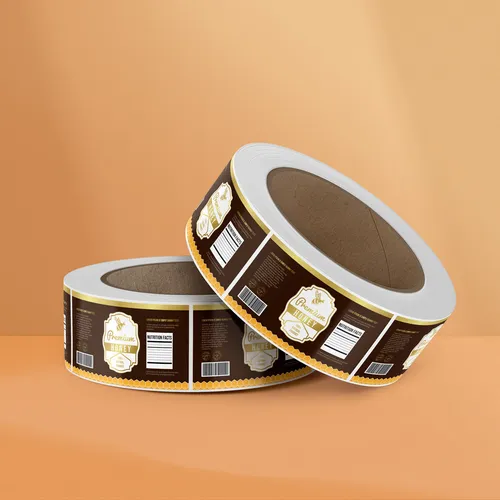
Shoppers are ruthless, and food brands that look dated or confusing rarely get a second glance from them. Today’s labels need to work harder than ever, beating crowded shelves, strict regulations and fast-changing trends. In 2026, smart food brands are leaning on strategic label printing partners to turn every product into a tiny, hard-working billboard that sells on sight.
Minimal design is still ruling, but now buyers want personality and proof, not just pretty colours. Clean layouts, confident typography and smart use of food packaging labels help your range look organised, trustworthy and recognisable from a distance. When a printing partner offers flexible runs and materials tailored to your product’s environment, it becomes much easier to refresh designs without risking stock or blowing budgets.
When First Impressions Decide The Basket
Shelf Presence That Stops The Scroll: Modern food shoppers scan shelves a bit like social feeds, flicking past anything that feels messy or generic. Labels with strong visual hierarchy, clear brand marks and tight colour palettes tend to pop instantly, especially when the printing quality is sharp and consistent across SKUs. One blurry label and the whole range starts to look slightly unreliable.
Trust Signals Hidden In Plain Sight: Minimal layouts give breathing room to the details that really matter: ingredients, claims, storage info and usage cues. When these are printed crisply and lined up cleanly, buyers subconsciously read the brand as organised and competent. A reliable printing partner helps keep that consistency across flavours, seasonal runs and size variants, even when your timelines get a bit ambitious.
Photography, Illustration And Gut Feel: In 2026, many food brands are ditching over-polished imagery in favour of honest textures and subtle illustration. Simple ingredient shots, hand-drawn icons and restrained backgrounds help products feel more real, less manufactured. When these elements are reproduced with tight colour control and matching finishes, they create an immediate emotional nudge towards quality and care.
Minimal But Not Boring: Authenticity With Bite
Confident Simplicity That Sells Fast: Stripped-back labels with crisp typography, focused colour blocking and precise alignment tend to be easier to process in a fraction of a second. That means faster decisions and fewer confused shoppers hovering in front of your shelf. Working with a printing partner that understands grid discipline and visual hierarchy keeps even the simplest layouts looking polished, not plain.
Storytelling Without Visual Clutter: Authentic brands share their story in short, honest bursts, not crowded text walls. Origin notes, production methods or allergy reassurance work best when they sit in clearly defined zones, supported by legible fonts and print finishes that do not smudge or fade. Reliable presses and coatings help those micro-stories stay sharp from warehouse to checkout.
Authentic Textures, Real-World Tactility: Matte papers, soft-touch finishes and subtle emboss touches help a product feel grounded and premium, even when the design is minimal. That small tactile moment can be enough to tip a buyer from “maybe later” to “go on then”. Having access to varied materials through one supplier makes experimenting safer and more cost-effective.
Green Is No Longer Optional
Eco Materials That Actually Perform: Brands cannot afford labels that claim sustainability but fail in fridges, chillers or transport. Eco-friendly paper stocks, responsibly sourced adhesives and recyclable constructions are becoming the quiet default. A strong printing partner helps match each product to a suitable sustainable packaging option so you are not trading durability for good intentions.
Clean Label Messaging That Feels Honest: Shoppers are on the lookout for artificial-free, low-additive and transparent recipes, and they expect that clarity on the front and back. Clean label claims need space, contrast and readable layout to avoid looking sneaky or rushed. Professional printing keeps those small claims legible even on compact jars, bottles and pouches.
Aligning Values With Visuals: Natural colour palettes, earthy textures and subtle eco icons help reinforce responsible sourcing and production. When finishes, inks and materials support that story, your label feels congruent instead of performative. Over time, this alignment builds recognition and loyalty among buyers who are tired of greenwashing and quick fixes.
Bold Design Meets Strict Rules
Standing Out Without Breaking Rules: Food labels must shout “pick me” without upsetting regulators, and that balance can be tricky. High-contrast colours, distinctive shapes and expressive typography create energy, but ingredient lists, allergen statements and nutrition panels still need strict clarity. An experienced printing partner understands how to combine both without crowding or compromising legibility.
Allergens That Cannot Be Ignored: Allergen information buried in fine print is a fast track to mistrust and serious risk. Successful brands now highlight allergens through bold text, deliberate spacing and clear positioning near ingredients. Accurate registration and sharp printing keep this critical information easy to scan, even on curved or awkward containers.
Smart Layout For Busy Buyers: People rarely read every word on pack. They skim for cues like “gluten free”, “no added sugar” or specific storage instructions. Placing these callouts in predictable locations and printing them with strong contrast keeps scanning quick and confident, reducing returns and complaints linked to misunderstood labels.
Choosing Between Paper And Synthetic Like A Pro
Reading The Product’s Environment: A chutney jar living on a pantry shelf has very different needs from a ready meal facing steam, chill and transport. Paper labels suit many dry, indoor conditions, offering warmth and print versatility. Synthetic stocks handle moisture, oils and temperature swings much better, which matters for chilled, frozen or high-contact products.
Balancing Cost, Durability And Feel: Paper often wins on tactile charm and cost-effectiveness for large, shelf-stable ranges. Synthetic materials bring stronger resistance to condensation, tearing and scuffing, ideal for drinks, sauces and grab-and-go items. A responsive printing partner helps test small batches so you do not commit to a material that fails in real-world use.
Where Bulletproof Choices Really Count:
- Use paper labels for ambient pantry items, luxury dry goods and ranges where touch and warmth support the brand story.
- Choose synthetics for chilled, frozen or wet environments where condensation and handling could destroy cheaper labels.
- Mix ranges strategically, using paper on outer cartons and synthetic on direct-contact containers.
- Revisit materials yearly as your retail channels, regulations and buyer expectations evolve.
Labels That Quietly Lift Perceived Quality
Texture, Finish And That Premium Glance: Tiny details like crisp edges, aligned borders and subtle varnishes change how your product feels in the hand. A high-quality print run signals care before a buyer reads a single word. Poorly cut or dull labels, by contrast, instantly hint at cutting corners, even if the recipe inside is outstanding.
Consistency Across Every SKU: When your entire range shares colour accuracy, layout discipline and material quality, shoppers start to trust the brand faster. That consistency only happens when artwork, materials and press settings are managed carefully over time. A stable printing partner can maintain that standard even as you add seasonal flavours or retailer-exclusive variants.
Engagement That Carries Beyond The Aisle: Strong label design often nudges buyers to share, recommend or rebuy without flashy gimmicks. Clear claims, attractive layouts and durable finishes make products more photogenic and giftable. Over time, that repeat recognition builds mental shortcuts, so your products are easier to find and choose again, even in chaotic stores.
Turning Today’s Trends Into Tomorrow’s Sales
Taking The Next Step With Confidence: If you want your food range to look sharper, feel more trustworthy and actually survive the real-world journey to your customer, partnering with a specialist label printer will be a smart move. Start by reviewing your current labels, identify where they fail on shelf or in storage, then work with an expert team to upgrade materials, finishes and design execution for your next production run.