
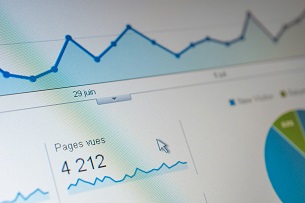
Introduction to Data Analytics
Data analytics is the science of analyzing raw data with the objective of drawing conclusions about that information. In today’s business environment, characterized by an unprecedented volume of data generated daily, the ability to interpret and utilize this data effectively is essential for success. Companies that embrace data analytics can enhance their decision-making processes, optimize operational efficiencies, and ultimately gain a competitive edge in their respective markets.
Data analytics can be broadly categorized into four types: descriptive, diagnostic, predictive, and prescriptive analytics. Descriptive analytics provides a comprehensive overview of historical data, summarizing past events to identify trends and patterns. This type of analysis allows businesses to understand what has happened in their operations, thus aiding in measuring key performance indicators (KPIs).
Diagnostic analytics takes a step further by investigating the reasons behind past outcomes. By delving into the ‘why’ of data, businesses can uncover insights that inform strategies to rectify issues or capitalize on successful initiatives. This method is instrumental in diagnosing problems within operations, marketing campaigns, or sales processes, ultimately leading to more effective solutions.
Predictive analytics leverages statistical models and machine learning techniques to forecast future trends based on historical data. Companies can better anticipate customer behavior, market shifts, and potential risks, allowing for proactive planning and resource allocation. This approach aids businesses in preparing for future scenarios, thus reducing uncertainty.
Finally, prescriptive analytics takes insight one step further by recommending actions based on data analysis. By utilizing algorithms and simulations, businesses can evaluate multiple strategies and select the most effective course of action. This type of analytics empowers organizations to optimize decisions across various functions, from supply chain management to marketing strategies.
The Importance of Data-Driven Decision Making
In today’s rapidly evolving corporate landscape, the significance of data-driven decision making cannot be overstated. Companies are increasingly recognizing the necessity of leveraging data to inform their strategies, thereby minimizing risks and enhancing efficiency across various operations. Data-driven decision making involves utilizing empirical data and analytics to guide business strategies, rather than relying solely on intuition or past experiences.
One of the most compelling advantages of adopting a data-driven approach is the reduction in uncertainty associated with business decisions. Organizations that rely on data analytics can better forecast trends and customer behaviors, leading to more accurate and informed decisions. For instance, a 2021 survey by McKinsey & Company revealed that companies using data for decision-making were 23 times more likely to acquire customers, 6 times more likely to retain customers, and 19 times more likely to be profitable. These statistics underscore the tangible benefits that arise from harnessing data effectively.
Furthermore, data analytics can significantly improve operational efficiency. By scrutinizing processes and customer interactions, businesses can identify bottlenecks, streamline operations, and enhance service delivery. For example, retail giants are utilizing data-driven techniques to optimize inventory management and personalize customer experiences, resulting in increased sales and improved customer satisfaction. The ability to adjust strategies in real-time based on data insights creates a competitive edge in an increasingly saturated market.
Ultimately, embracing a data-informed strategy not only enhances decision-making capabilities but also fosters a culture of accountability and continuous improvement within organizations. With the vast amounts of data generated daily, businesses must prioritize data utilization to stay ahead of competitors and adapt to market shifts effectively.
Tools and Technologies in Data Analytics
In the rapidly evolving field of data analytics, a variety of tools and technologies are available to aid businesses in their analytical endeavors. These tools range from basic data visualization to complex statistical analysis software, each contributing uniquely to the understanding and interpretation of data.
One of the leading data visualization tools is Tableau, which enables users to create interactive, shareable dashboards. Tableau allows businesses to visualize their data through customizable graphs and charts, making it easier to identify trends and patterns. Another widely recognized tool is Power BI from Microsoft, which integrates seamlessly with other Microsoft products. Power BI empowers users to connect to multiple data sources, creating a unified view that fosters informed decision-making.
For those looking to perform more in-depth statistical analysis, programming languages such as R and Python have become essential. R is specifically designed for statistics, offering packages that simplify complex analyses. Python, with its extensive libraries like Pandas and NumPy, provides a flexible environment for data manipulation and analysis. These languages are not only powerful but also support the integration of machine learning algorithms, which enhances predictive analytics capabilities.
Moreover, tools like SAS (Statistical Analysis System) and SPSS (Statistical Package for the Social Sciences) are widely used in industries that require rigorous statistical testing. They offer comprehensive solutions for data management and statistical analysis, allowing businesses to derive meaningful insights from large datasets.
Ultimately, the choice of tools and technologies in data analytics should align with the specific needs and objectives of the business. By leveraging the right combination of these tools, organizations can effectively navigate the complexities of data, enabling better business decisions and fostering a data-driven culture.
Case Studies of Successful Data Utilization
In today’s competitive landscape, several businesses have harnessed data analytics to optimize their operations and improve decision-making outcomes. Here, we explore three notable case studies that exemplify the effective implementation of data-driven strategies.
The first case involves a retail giant, Walmart, which faced challenges in inventory management and customer preferences. By integrating data analytics tools, Walmart adopted a sophisticated demand forecasting system that analyzed sales patterns and customer behaviors in real-time. These insights allowed the company to streamline its supply chain, effectively reducing stockouts by over 30% and improving overall customer satisfaction. The successful application of data analytics transformed Walmart’s inventory management, demonstrating how real-time data can lead to substantial operational efficiencies.
Next, we examine a healthcare provider, Mount Sinai, which sought to enhance patient care quality through data analysis. The organization utilized predictive analytics to identify at-risk patients based on medical history and treatment regimens. By analyzing vast amounts of patient data, Mount Sinai implemented targeted interventions that reduced hospital readmission rates by 20%. This outcome highlights how organizations in the healthcare sector can leverage data analytics to make more informed decisions, ultimately improving patient outcomes while also decreasing costs.
Finally, the case of Netflix illustrates the media industry’s transformative approach to consumer behavior analysis. Facing rising competition, Netflix turned to data analytics to personalize viewer experiences. By employing algorithms that analyzed viewing patterns and preferences, Netflix tailored content recommendations, resulting in an impressive 75% increase in viewing hours. This case underscores the potential of data-driven decisions to not only enhance customer engagement but also directly impact profitability and market position.
These cases exemplify how businesses in diverse sectors harness data analytics to overcome challenges, optimize operations, and achieve remarkable outcomes. The tangible benefits of data-driven decisions are evident, affirming the necessity for organizations to incorporate analytical approaches to thrive in today’s data-centric economy.
Challenges of Implementing Data Analytics
As businesses seek to harness the power of data analytics for improved decision-making, they often encounter several challenges that can impede their progress. One of the foremost concerns is related to data privacy. With increasing regulations such as the General Data Protection Regulation (GDPR) in Europe and various local data protection laws, companies must navigate these legal frameworks carefully. This necessitates robust data governance policies to maintain compliance and build consumer trust.
Another significant challenge is the need for skilled personnel. The field of data analytics requires professionals who are not only adept in handling complex data sets but also possess the analytical skills to derive actionable insights. There is a global shortage of data scientists and analysts, leading to fierce competition among organizations for qualified talent. Consequently, businesses may face limitations in their analytics capabilities due to a lack of internal expertise.
Moreover, organizations often encounter common pitfalls during the implementation of data analytics initiatives. A frequent issue is the misalignment of analytics goals with business objectives. Without clear direction and understanding of the key questions that data analytics should address, organizations may waste resources on irrelevant analyses. Additionally, poor data quality and integration challenges can compromise the reliability of the insights garnered from analytics tools, leading to misguided business strategies.
In conclusion, while the adoption of data analytics holds immense potential for enhancing business decision-making, understanding and addressing these challenges is critical for successful implementation. Businesses must approach these hurdles with strategic planning, invest in both technology and talent, and maintain a strong commitment to ethical data practices.
Best Practices for Effective Data Analytics
To harness the power of data analytics effectively, organizations must adopt certain best practices that serve as a foundation for successful analytics initiatives. First and foremost, establishing clear objectives is crucial. Organizations should define what they hope to achieve with their data analytics efforts by setting specific, measurable, achievable, relevant, and time-bound (SMART) goals. Clarity of objectives ensures that analytics projects remain focused on outcomes that matter, and guides the selection of appropriate metrics to track progress.
Equally important is the need to ensure data quality. High-quality data serves as a cornerstone for reliable analytics. This means that businesses must implement comprehensive data governance frameworks to uphold data accuracy, consistency, and completeness. Regular data audits and validations should be undertaken to eliminate any discrepancies that may skew analytics results. Moreover, integrating data from various sources can enhance the richness and context of the analysis, leading to more informed decision-making.
Fostering a culture that prioritizes data-driven decision-making within the organization is another vital best practice. This involves encouraging employees at all levels to rely on data analytics when making decisions rather than intuition alone. Providing training and resources in data literacy can empower staff to better interpret and apply data insights. Furthermore, leadership should actively promote and engage with data analytics initiatives to highlight their significance across the organization.
Lastly, continuous learning and adaptation in analytics practices are essential for keeping pace with the rapidly evolving data landscape. Organizations should remain open to refining their methodologies, leveraging new tools, and incorporating feedback from analytics outcomes. By nurturing a mindset of flexibility and exploration, businesses can stay competitive and responsive to changing market dynamics.
The Future of Data Analytics in Business
As we advance further into the digital age, the future of data analytics in business is set to evolve dramatically. One of the pivotal trends is the integration of artificial intelligence (AI) and machine learning (ML) into data analytics processes. These technologies enable businesses to not only process vast volumes of data but also to derive actionable insights with increased accuracy. By implementing AI algorithms, organizations can predict customer behavior, optimize operations, and enhance decision-making in a timely manner.
Additionally, the demand for real-time data analysis is on the rise. Today’s businesses operate in fast-paced environments where timely information is crucial. Leveraging real-time analytics allows firms to react swiftly to market changes, helping them maintain a competitive edge. This shift towards immediacy will require advanced analytical tools and infrastructure capable of processing and interpreting data streams as they emerge.
Moreover, as data becomes an integral asset for organizations, the importance of data ethics cannot be overstated. The collection and analysis of data bring ethical considerations to the forefront, including issues related to privacy, consent, and security. Businesses must navigate these challenges responsibly to build customer trust and comply with regulatory standards. The future of data analytics will likely include frameworks that promote ethical usage of data, ensuring transparency and accountability in how data is handled.
In summary, the integration of AI and ML, the shift towards real-time data analysis, and the emphasis on data ethics will shape the future landscape of data analytics in business. Companies that embrace these trends will be better equipped to make informed decisions, fostering innovation and growth in an increasingly data-driven world.
How to Get Started with Data Analytics
Embarking on a data analytics journey can seem daunting for many businesses, yet the proper steps can facilitate a smooth transition into this crucial field. To start, organizations should assess their current data needs. This assessment involves identifying the types of data being collected, understanding their relevance to business objectives, and recognizing any gaps in the data collection processes. An effective evaluation will highlight specific areas where data analytics can have the most significant impact.
Following the assessment, the next step is to create a comprehensive analytics strategy. This strategy should outline the goals that the organization aims to achieve by utilizing data analytics, such as improving customer insights, optimizing operational efficiencies, or enhancing product development. A well-defined strategy serves as a roadmap that guides the organization in implementing data analytics initiatives. It is crucial to incorporate measurable objectives that allow the organization to track progress and make necessary adjustments along the way.
Moreover, organizations need to identify the necessary resources for their data analytics endeavors. This includes evaluating whether to invest in in-house capabilities or to partner with external analytics firms. Organizations should consider the required technology, such as data storage solutions and analytical software, as well as the skill set needed to analyze and interpret the data effectively. Training existing staff or hiring specialists can significantly enhance the organization’s analytical capacity.
Furthermore, fostering a data-driven culture within the organization is essential for the successful integration of data analytics. This involves promoting the importance of data in decision-making at all levels and encouraging team members to rely on data in their respective roles. By taking these actionable steps—assessing data needs, creating an analytics strategy, and identifying resources—businesses can create a solid foundation for leveraging data analytics to drive improved decision-making.
Conclusion: Embracing Data Analytics for Long-Term Success
In today’s rapidly evolving business landscape, the integration of data analytics into decision-making processes has become an indispensable strategy for organizations striving for long-term success. Data analytics provides critical insights that empower businesses to make informed choices, optimize operations, and enhance customer experiences. By effectively leveraging data, companies can identify trends, predict future outcomes, and fine-tune their strategies to align with market demands.
Moreover, adopting data analytics should not be perceived merely as a one-off project or an isolated tool. Instead, it is essential to recognize it as a fundamental pillar within a company’s overall strategic planning framework. Organizations that embed data-driven decision-making into their culture can foster an environment of innovation and adaptability, ensuring that they remain competitive in an increasingly data-rich world.
The benefits of data analytics extend beyond mere insights; they encompass enhanced operational efficiency, improved customer satisfaction, and the ability to foresee potential challenges before they escalate. Businesses that prioritize data analytics are better equipped to navigate uncertainties and capitalize on emerging opportunities. Thus, the ability to interpret and utilize data insights should be viewed as a core competency critical to the sustainability and growth of any organization.
In conclusion, embracing data analytic is not just an option; it is a necessity for businesses aiming for long-term success. As companies continue to evolve in the face of technological advancements, those who prioritize data analytics will be positioned to thrive, informed by evidence-based strategies that drive results and support sustainable growth. Investing in data analytics capabilities will ensure that organizations can make smarter decisions and remain resilient in the face of change.