
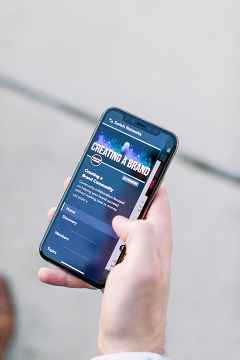
Personal branding is the process of developing an individual’s professional identity and unique presence in their chosen field. It involves the art of crafting a narrative that highlights one’s values, skills, and experiences. In today’s competitive professional landscape, building a personal brand is not merely an option but a necessity. A strong personal brand aids individuals in standing out amid the myriad of generic profiles and enhances their visibility in the job market. In essence, personal branding transcends basic self-promotion; it concerns creating an authentic identity that resonates with others. Through various platforms, such as social media, professional networks, and public speaking engagements, individuals can communicate their personal brand effectively. This strategic representation can foster trust and credibility, vital elements in establishing a deeper connection with peers and potential employers.
The emergence of digital interactions has further heightened the significance of personal branding. With employers increasingly searching for candidates’ online presence, a well-crafted personal brand can significantly impact career opportunities. Rather than merely showcasing expertise, personal branding focuses on illustrating an individual’s journey and their unique contribution to the industry.
Additionally, as the marketplace becomes saturated with professionals vying for attention, personal branding enables a nuanced differentiation. It encourages individuals to showcase not only what they do but who they are, effectively weaving personal stories into their professional narrative. This authenticity fosters relatability and strengthens engagement, which is integral to creating lasting connections in a professional setting.
Enhancing Professional Credibility
In today’s competitive landscape, enhancing professional credibility is essential for individuals seeking to establish themselves in their respective fields. A well-defined personal brand plays a pivotal role in this process. By effectively showcasing one’s skills, values, and unique attributes, a personal brand can foster a strong sense of professionalism. This can lead to increased recognition and respect among peers and clients alike.
When individuals cultivate their personal brand, they demonstrate their expertise and knowledge in their area of specialization. This leads to a perception of authority and trustworthiness, which is critical in building professional relationships. A strong personal brand, therefore, correlates directly with perceived expertise. Individuals who illustrate their capabilities clearly, whether through online platforms, networking events, or professional gatherings, are more likely to be seen as credible professionals.
Moreover, a robust personal brand can serve as a powerful catalyst for unlocking new professional opportunities. When others recognize the value of an individual’s personal brand, they are more inclined to extend opportunities such as collaborations, speaking engagements, and mentorship roles. These opportunities not only reinforce credibility but also expand one’s professional network, creating a mutually beneficial environment where trust and respect flourish.
In addition, a well-established personal brand can enhance trust among clients. In service-oriented industries, clients often prefer to work with individuals or entities they feel confident are experts in their field. As a result, effective personal branding can lead to increased client loyalty, as individuals who resonate with one’s personal brand are more likely to become repeat customers. This highlights another layer of how enhancing professional credibility through personal branding can yield tangible benefits in one’s career.
Building a Stronger Network
A well-defined personal brand plays a pivotal role in enhancing one’s professional network. It serves as a distinct identifier, effectively communicating individual values, expertise, and unique selling propositions to potential connections. In a competitive landscape, a robust personal brand distinguishes one from their peers, making it easier to establish genuine relationships with like-minded individuals and influential industry leaders.
To leverage personal branding for networking opportunities, individuals should first ensure that their online presence reflects their professional persona accurately. This includes optimizing social media profiles, engaging actively on platforms like LinkedIn, and sharing relevant content that resonates with their target audience. By consistently showcasing their skills and insights, individuals can attract connections who share similar career goals and interests.
Moreover, networking events and conferences provide an excellent opportunity to showcase one’s personal brand in person. Actively participating in discussions or panel sessions enables individuals to connect with other professionals while emphasizing their expertise. Carrying business cards or digital profiles that encapsulate their brand message can also create a lasting impression, facilitating easier and more meaningful networking at these events.
Another effective strategy is to engage in online communities related to one’s industry or interests. Through contributions on forums, webinars, or virtual meetups, individuals can connect with potential collaborators and mentors, further solidifying their networking efforts. Personal branding, when utilized properly, acts as a catalyst for relationship-building, transforming casual acquaintances into substantive professional relationships.
Ultimately, it is the fusion of a strong personal brand and proactive networking efforts that can lead to a more expansive and meaningful professional network. Those who invest time in refining their personal brand are often rewarded with greater access to opportunities and influential connections, proving that strategic networking is an essential component of career development.
Attracting Better Job Opportunities
In today’s competitive job market, building a personal brand has become increasingly crucial for individuals seeking career advancement. A well-defined personal brand not only reflects a person’s skills and expertise but also communicates their unique value proposition to prospective employers. This can play a significant role in attracting better job opportunities.
Employers are now more inclined to search for candidates who possess a strong personal brand, as it often indicates that the individual is knowledgeable about their field and understands the importance of self-promotion. A compelling personal brand demonstrates a proactive approach to career management, which can make a candidate more appealing during the selection process. When one establishes a coherent brand identity, it enhances credibility and fosters trust, both of which are valuable traits in any professional setting.
Moreover, a robust personal brand extends beyond a mere online presence. It encompasses networking skills, professional attire, and effective communication, all of which contribute to a positive impression. Candidates who actively cultivate their personal brand often find themselves at the forefront of hiring strategies, particularly in industries where individuality and creative problem-solving are prized.
Furthermore, as more organizations adopt a cultural fit approach to hiring, a candidate with a strong personal brand can better align themselves with the company’s values and mission, leading to more suitable job matches. This alignment not only increases the likelihood of securing a position but also enhances job satisfaction and employee retention rates.
To summarize, individuals who take the time to build and refine their personal brand are better equipped to attract desirable job opportunities. By strategically showcasing their skills and values, they can increase their visibility and appeal in the job market, ultimately paving the way for career advancement.
Establishing a Unique Value Proposition
In contemporary professional environments, the ability to articulate a unique value proposition (UVP) has become essential. Personal branding plays a pivotal role in this articulation, enabling individuals to effectively communicate what sets them apart in a highly competitive job market. A well-defined personal brand helps clarify one’s skills, values, and mission, ultimately presenting a coherent message to potential employers or clients.
At its core, your unique value proposition encapsulates your distinctive combination of talents, expertise, and experiences that you bring to the table. This differentiation is crucial, as it allows you to stand out in a saturated field. For instance, two candidates with similar educational backgrounds may approach a job interview with vastly different personal brands. One candidate may emphasize technical skills learned through formal education, while the other showcases extensive practical experience gained through freelance work. The latter individual’s personal brand might resonate more effectively, as it tells a story of adaptability and initiative.
Moreover, a strong personal brand cultivates a sense of trust and credibility. When professionals define and communicate their UVP clearly, they foster recognition within their networks, leading to opportunities that align closely with their personal and professional goals. For example, an individual specializing in digital marketing can use personal branding to highlight their particular niche, such as content strategy or social media engagement, making their profile more appealing to potential collaborators or employers looking for specific expertise.
In essence, personal branding not only assists individuals in articulating their unique value propositions but also enhances their visibility in a crowded landscape. By effectively conveying what makes them unique, individuals position themselves as viable candidates and trusted experts, ultimately paving the way for career advancement and success.
Increasing Visibility and Recognition
In today’s digital age, building a personal brand is pivotal in increasing visibility and recognition within one’s industry or field. By creating a strong personal brand, individuals can effectively differentiate themselves from their competitors and occupy a unique position in the marketplace. This elevated visibility often leads to an increase in professional opportunities and relationships.
A significant aspect of enhancing one’s personal brand is leveraging social media platforms. These platforms allow individuals to share their expertise, insights, and experiences with a broader audience, fostering a sense of community and engagement. By consistently posting valuable content, individuals can sharpen their presence online, attracting followers who resonate with their brand values and message. This engagement not only increases visibility but also establishes a rapport with potential clients, partners, or employers.
Public speaking is another powerful tool that can enhance visibility. Participating in conferences, seminars, or workshops enables individuals to position themselves as thought leaders. Sharing knowledge and insights in public forums showcases their expertise and invites inquiries from attendees, further solidifying their reputation within the industry. Such exposure leads to networking opportunities and can open doors to collaborations that might not have been accessible otherwise.
Additionally, content creation, whether through blogging, podcasts, or videos, plays a critical role in building a personal brand. Quality content can educate, inform, and inspire an audience, resulting in increased engagement and visibility. As content is shared across various platforms, it can amplify one’s recognition, leading to a perception as an authority in their respective field.
Ultimately, cultivating a strong personal brand is integral not just for visibility, but also for recognition as an expert in one’s domain. As one becomes known for their contributions and insights, it can significantly enhance their career trajectory and create valuable opportunities for advancement.
Cultivating a Community of Advocates
Building a personal brand is not solely about self-promotion; it involves creating a connection with an audience that can transform into a dedicated community of advocates. An effectively nurtured personal brand fosters a sense of trust and connection between the individual and their followers. This engagement occurs when individuals present authentic and relatable content, resonate with their audience’s values, and encourage open dialogue.
The cornerstone of cultivating such a community lies in consistent and meaningful interactions. Regularly engaging with followers through varied content formats including social media posts, blogs, and podcasts—facilitates a sense of belonging and loyalty. Sharing personal stories or experiences encourages community members to share their own narratives, thereby enriching the overall dynamics. Listening actively to audience feedback and responding promptly creates a supportive environment where discussions can thrive.
As individuals engage more deeply with their personal brand, they often find that it becomes a catalyst for forming relationships that extend beyond mere followers. These advocates can embody a powerful voice in amplifying your message and supporting your initiatives. By sharing your expert knowledge and insights, you empower your audience, which encourages them to advocate on your behalf. This reciprocal relationship often leads to the creation of brand ambassadors who will willingly share their positive experiences, thereby propelling your personal brand to wider recognition.
Moreover, the benefits of cultivating a loyal community extend into both personal and professional spheres. A network of advocates can provide valuable support during career transitions, act as a sounding board for ideas, and collaborate on opportunities. As the community grows, so too do the prospects for leveraging its influence, establishing partnerships, and expanding reach. A personal brand serves as a narrative through which each individual can convey their unique value, ultimately fostering a strong and engaged community.
Adapting to Market Changes
In today’s dynamic business landscape, the ability to adapt to market changes is crucial for professionals seeking ongoing success. A well-crafted personal brand empowers individuals to navigate these shifts with agility and confidence. By establishing a strong personal identity, individuals can remain relevant amidst evolving industry trends and consumer preferences.
Having a distinctive personal brand enhances visibility and recognition, allowing individuals to stay informed about the latest developments within their specific field. As the market landscape changes—be it through technological advancements, shifting consumer behaviors, or new regulations—a strong personal presence aids in quickly adjusting one’s strategy. This proactive approach minimizes the risk of becoming obsolete as new demands arise.
Moreover, a solid personal brand enhances credibility and fosters trust among peers, clients, and industry leaders. When individuals are recognized for their expertise and unique value propositions, they are more likely to be considered thought leaders during times of transition. This position enables them to pivot effectively, harnessing new opportunities that may emerge as a result of industry disruption.
In addition, with an established personal brand, individuals can strategically align themselves with emerging trends or innovative practices. By continuously sharing relevant insights and participating in discussions, they signal their commitment to growth and adaptability. As a result, their personal brand evolves seamlessly, reflecting their readiness to embrace changes rather than resist them.
Ultimately, cultivating a strong personal brand is not merely about self-promotion; it is a strategic means to ensure resilience and relevance in an ever-changing market. As individuals adapt their personal brands, they not only protect their professional identities but also pave the way for new opportunities that align with their career goals.
Conclusion: The Lifelong Journey of Personal Branding
In exploring the benefits of building a personal brand, it becomes evident that this endeavor is not merely a trend, but a vital component of long-term career success and personal fulfillment. Personal branding is a strategic tool that allows individuals to communicate their unique value and strengths to the world. By investing in a personal brand, one can effectively differentiate themselves in a competitive marketplace, enhance their visibility, and attract new opportunities.
Throughout our discussion, we have highlighted several key advantages associated with personal branding. First, establishing a strong personal brand can lead to increased credibility and authority in one’s respective field. When individuals position themselves as experts, they can cultivate trust and respect among peers and potential employers.
Furthermore, a well-defined personal brand enables clearer communication of personal values and professional aspirations. This clarity not only aids in career advancement but also in finding like-minded connections and collaborative opportunities. The emotional aspect of personal branding should not be overlooked; a strong personal brand often fosters a sense of identity and purpose, contributing to overall job satisfaction and passion for one’s work.
As we conclude, it is crucial to recognize that personal branding is a lifelong journey. It requires ongoing reflection, evolution, and adaptability to remain relevant in an ever-changing professional landscape. By consistently nurturing and refining one’s personal brand, individuals can ensure that they remain visible and valued throughout their career. Investing in a personal brand should be viewed as a strategic asset that empowers individuals to navigate their professional paths with confidence and intention.