
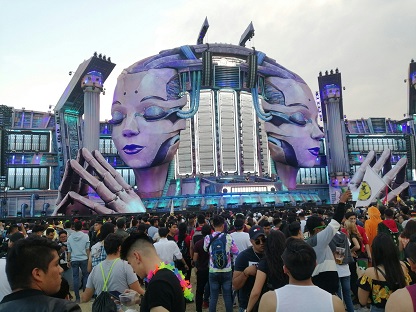
Global festivals represent vibrant gatherings that celebrate cultural identities, traditions, and social connections within societies around the world. These events often span various themes ranging from religious observances to local customs, showcasing the rich diversity of human experience.
The significance of global festivals can be seen through their ability to unite communities, allowing individuals to share in the joy of their heritage while also inviting others to witness and participate. Festivals serve as a dynamic expression of cultural values, beliefs, and practices, cementing their place in the collective memory of a society. Many of these festivals have deep historical roots that are intertwined with the local culture and are often marked by colorful displays, traditional performances, and communal gatherings.
Furthermore, the importance of global festivals extends beyond mere celebration. They foster social cohesion and community spirit, bring together people from diverse backgrounds, and create opportunities for artists and artisans to showcase their skills. Festivals often stimulate local economies, attracting thousands of visitors who contribute to tourism and commerce. As essential cultural phenomena, they allow for the exchange of ideas, enhancing mutual understanding among participants from various geographical regions.
Exploring the scale and impact of these festivals reveals that many have grown from localized observances to international spectacles that attract millions of attendees each year. The combination of tradition and modernity can be seen in how these festivals evolve, often incorporating contemporary elements while remaining anchored in their cultural significance. This introduction sets the stage for delving into some of the most notable global festivals that truly exemplify their magnitude and cultural importance.
Mega Festivals You Need to Know About
Across the globe, mega festivals serve as extravagant celebrations of culture, art, and community, attracting millions of attendees each year. These events encapsulate the spirit of their respective nations, showcasing unique traditions and engaging activities. One of the most prominent is the Carnival in Rio de Janeiro, Brazil. Annually held before Lent, this vibrant festival draws over two million spectators daily. The samba parades, featuring elaborate floats and flamboyant costumes, epitomize Brazilian cultural heritage, making it not just a festival but a significant cultural institution.
Another extraordinary festival is Oktoberfest, held in Munich, Germany. This world-renowned beer festival spans 16 to 18 days, commencing in late September and concluding in the first weekend of October. Attracting approximately six million visitors, Oktoberfest is a celebration of Bavarian culture. Guests enjoy an extensive array of local brews, traditional German fare, and spirited folk music, creating an atmosphere of camaraderie and festivity.
In India, the festival of Diwali, also known as the Festival of Lights, garners immense popularity. Celebrated by millions across the country and among the Indian diaspora worldwide, Diwali signifies the triumph of light over darkness. This five-day festival includes rituals, feasts, and the lighting of diyas (oil lamps), symbolizing hope and renewal. With an estimated one billion participants, Diwali’s impact on social and economic levels is profound, driving significant engagement in local markets and cultural events.
The grandeur of these mega festivals highlights not just their scale but also their importance in fostering cultural identity and community bonding. Through vibrant expressions of heritage, each festival allows participants to engage with traditions that transcend borders, making them a vital aspect of global cultural diversity.
The Economic Impact of Global Festivals
Global festivals play a crucial role in shaping the economic landscape of the regions in which they are held. These events not only serve as gatherings for artistic expression, cultural celebration, and community engagement but also significantly contribute to the local and national economies. One of the most notable impacts is the boost in tourism, as festivals attract visitors from around the world, who seek to experience the unique atmosphere and cultural offerings. This influx of tourists leads to increased demand for local accommodation, food, entertainment, and transportation services, allowing local businesses to thrive.
For instance, the Carnival in Brazil is renowned for its vibrant celebrations, but it is also an economic powerhouse. It generates billions in revenue and creates thousands of seasonal jobs in sectors such as hospitality, security, and logistics. According to a study from the Brazilian Institute of Geography and Statistics, the tourism generated during the Carnival contributes significantly to the gross domestic product (GDP) of the state of Rio de Janeiro.
Additionally, festivals often serve as a catalyst for infrastructure development. Local governments invest in amenities and transport facilities to accommodate increased visitor numbers, which not only enhances the festival experience but also provides long-term benefits to residents and businesses alike. The Edinburgh Festival Fringe, for example, has transformed the Scottish capital into a thriving cultural hub, enabling sustained growth in tourism and related sectors beyond the festival dates.
Moreover, global festivals foster community pride and cohesion, promoting local artisan crafts and food products, which benefits the economy further. As these festivals highlight regional uniqueness, they also position local products in the marketplace, encouraging sales and supporting the livelihoods of local producers. Thus, the economic impact of global festivals extends far beyond the immediate dates of celebration, contributing to ongoing prosperity in host communities.
Why Festivals Matter Today
Festivals hold significant relevance in the contemporary world, serving as platforms for cultural exchange, community engagement, and global unity. They transcend geographical boundaries, bringing together individuals from diverse backgrounds to participate in collective celebrations. In this era of globalization, festivals facilitate a deeper understanding of various cultures, promoting tolerance and appreciation among attendees. This is especially important as societies become increasingly multicultural and interconnected.
The theme of unity amidst diversity is a cornerstone of many festivals. They showcase the rich tapestry of human experience, allowing participants to engage with traditions different from their own. For instance, local festivals that incorporate international influences invite communities to partake in activities that foster collaboration and dialogue. Such interactions challenge stereotypes and create a sense of solidarity, which is crucial in mitigating tensions arising from cultural misunderstandings.
Moreover, festivals have adeptly navigated the complexities of the modern age, adapting to digital landscapes and shifting social dynamics. The advent of social media has amplified their reach, making it easier than ever for individuals to partake in virtual experiences. Events that were once confined to specific locales are now accessible globally, allowing widespread participation. Virtual platforms have turned local celebrations into global phenomena, enabling people to connect and share their cultural stories regardless of physical distance.
Ultimately, the significance of festivals extends beyond mere festivity; they are essential in fostering community spirit and cultural resilience. As we continue to face global challenges, such as environmental concerns and cultural homogenization, participating in these large-scale celebrations becomes vital. It is an invitation for individuals to engage with their heritage, celebrate diversity, and build connections. By appreciating and participating in these festivals, we embrace not only our differences but also the shared joy of being part of the global community.