
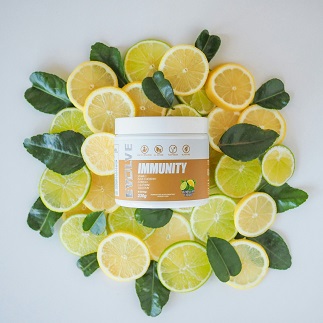
Immunity is the body’s natural defense mechanism against pathogens, including viruses, bacteria, and parasites. It comprises a complex network of cells, tissues, and organs that work together to identify and eliminate foreign invaders. The immune system can be divided into two main types: innate immunity, which provides a rapid response to pathogens, and adaptive immunity, which develops over time and provides a more specialized defense against specific pathogens.
Nutrition plays a critical role in maintaining and enhancing immune function. A well-balanced diet rich in essential vitamins, minerals, and nutrients supports the immune system’s ability to respond effectively to threats. Nutrient deficiencies can compromise immune response and increase vulnerability to infections and diseases. For instance, vitamins such as A, C, and D, as well as minerals like zinc and selenium, are crucial for various immune processes, including the activation of immune cells and the production of antibodies.
Moreover, antioxidants found in fruits and vegetables help combat oxidative stress, which can weaken immune function over time. A diet that incorporates specific immune-boosting foods can not only enhance the body’s defense mechanisms but also promote overall health and well-being. Thus, understanding the connection between nutrition and immunity is essential for individuals aiming to improve their health through diet.
In light of this information, it is evident that integrating certain foods known for their immune-boosting properties can be beneficial. Such foods can provide the necessary nutrients that fortify the immune system, reducing the risk of infections and improving the body’s resilience. In the following sections, we will explore the top ten foods that naturally enhance immunity.
Key Nutrients That Support Immune Function
The immune system plays a crucial role in defending the body against infections and diseases. To maintain its optimal function, certain key nutrients are vital. Among these, vitamin C, vitamin D, zinc, and antioxidants are of particular significance due to their distinct roles in enhancing immune health.
Vitamin C is renowned for its immune-boosting properties. It helps stimulate the production of white blood cells, essential for fighting off pathogens. Furthermore, vitamin C is an antioxidant that protects the immune cells from damage, thereby supporting their efficiency in combating infections. Foods rich in vitamin C, such as citrus fruits, strawberries, and bell peppers, are excellent inclusions in an immunity-enhancing diet.
Vitamin D, often referred to as the sunshine vitamin, also plays a critical role in immune regulation. It has been shown to modulate the immune response and reduce the risk of respiratory infections. The body can synthesize vitamin D through sun exposure, but it can also be obtained from foods like fatty fish, fortified dairy products, and egg yolks.
Zinc is another essential nutrient that supports various cellular functions of both the innate and adaptive immune systems. A deficiency in zinc can lead to a weakened immune response, making individuals more susceptible to illness. Rich sources of zinc include meat, shellfish, legumes, seeds, and nuts.
Lastly, antioxidants are compounds that help neutralize free radicals in the body, protecting immune cells from oxidative stress. Foods abundant in antioxidants, such as berries, nuts, and dark chocolate, can help bolster immune function and overall health.
In conclusion, incorporating foods rich in vitamins C and D, zinc, and antioxidants can significantly enhance immune function. By understanding the impact of these key nutrients, individuals can make informed dietary choices to support their health and resilience against illness.
Top 10 Immunity-Boosting Foods
Maintaining a robust immune system is essential for overall health and well-being. Incorporating certain foods into your diet can significantly enhance immune function. Here are ten foods known for their impressive immune-boosting properties:
1. Citrus Fruits: Rich in vitamin C, citrus fruits like oranges, grapefruits, and lemons are known to increase the production of white blood cells, which are vital for fighting infections. Enjoy them as fresh juices or add slices to salads for a pleasant zest.
2. Garlic: This pungent bulb contains allicin, which has antiviral and antibacterial properties. Incorporate garlic into your cooking to boost flavor and immune response. Roasted garlic makes a delicious spread with bread or in dips.
3. Ginger: Known for its anti-inflammatory effects, ginger is an excellent food for enhancing immunity. Use fresh ginger in teas or smoothie blends, or incorporate it into stir-fries for added warmth and spice.
4. Yogurt: Probiotics found in yogurt help to maintain a healthy gut microbiota, integral in regulating immune function. Opt for plain, unsweetened varieties and add fruits or honey for flavor; it makes a nutritious snack.
5. Spinach: Spinach is packed with vitamins C and E, antioxidants that combat oxidative stress. Lightly steaming spinach can increase its nutrient absorption. Add it to salads or smoothies for a nutrient boost.
6. Almonds: A powerhouse of vitamin E, almonds support immune health. Snacking on a handful can provide beneficial fats and nutrients. They can also be included in breakfast cereals or oatmeal.
7. Turmeric: This golden spice contains curcumin, which exhibits strong anti-inflammatory effects. Use turmeric in curries or golden milk to enjoy its benefits.
8. Green Tea: Rich in antioxidants, green tea can improve immune response. Drinking it hot or cold throughout the day can be refreshing and beneficial.
9. Red Bell Peppers: A surprising source of vitamin C, red bell peppers are incredibly versatile. Use them in salads, stir-fries, or roasted vegetable medleys to enjoy their health properties.
10. Mushrooms: Certain types, like shiitake, have immune-boosting polysaccharides. These versatile fungi can be added to soups, salads, or sautéed alongside other vegetables for a nutritious addition.
Incorporating these ten immunity-boosting foods into your daily meals can help in maintaining a resilient immune system, preparing your body to better fend off illness. Experiment with different recipes and find enjoyable ways to optimize your dietary choices for health.
Incorporating Immune-Boosting Foods into Daily Diet
Incorporating immune-boosting foods into your daily diet can significantly enhance your overall health and wellbeing. By making conscious choices and integrating these nutrient-dense options into your meals, you can create a balanced diet that naturally supports your immune system. Start by planning your meals for the week, including a variety of foods such as citrus fruits, nuts, seeds, and leafy greens. These foods are rich in antioxidants, vitamins, and minerals that can fortify your body’s defenses against illness.
One effective way to incorporate these foods is through smoothies. Combining spinach or kale with fruits like oranges or berries can yield a delicious drink packed with immune-boosting properties. For breakfast, consider oatmeal topped with a handful of walnuts or almonds, which provide healthy fats and protein to kickstart your day. Adding yogurt or kefir as dairy alternatives can also boost your gut health due to their probiotic content.
When exploring dinner options, a staple in many cuisines is a stir-fry. Incorporate colorful vegetables such as bell peppers, broccoli, and garlic into your stir-fry and pair them with lean proteins, including chicken or tofu. Not only does this dish provide essential nutrients, but the variety of ingredients can also entice different taste preferences.
For those with dietary restrictions, options abound. Gluten-free grains like quinoa or brown rice can serve as excellent bases for meals. If you are vegan, leverage plant-based sources of protein, such as lentils or chickpeas, complementing them with herbs and spices that enhance flavor while promoting immune health.
Additionally, aim for diversity in your immune boosting foods choices, as different immune-boosting foods provide various health benefits. This approach not only keeps your meals exciting but also ensures that you receive a broad spectrum of nutrients necessary for optimal immune function.