
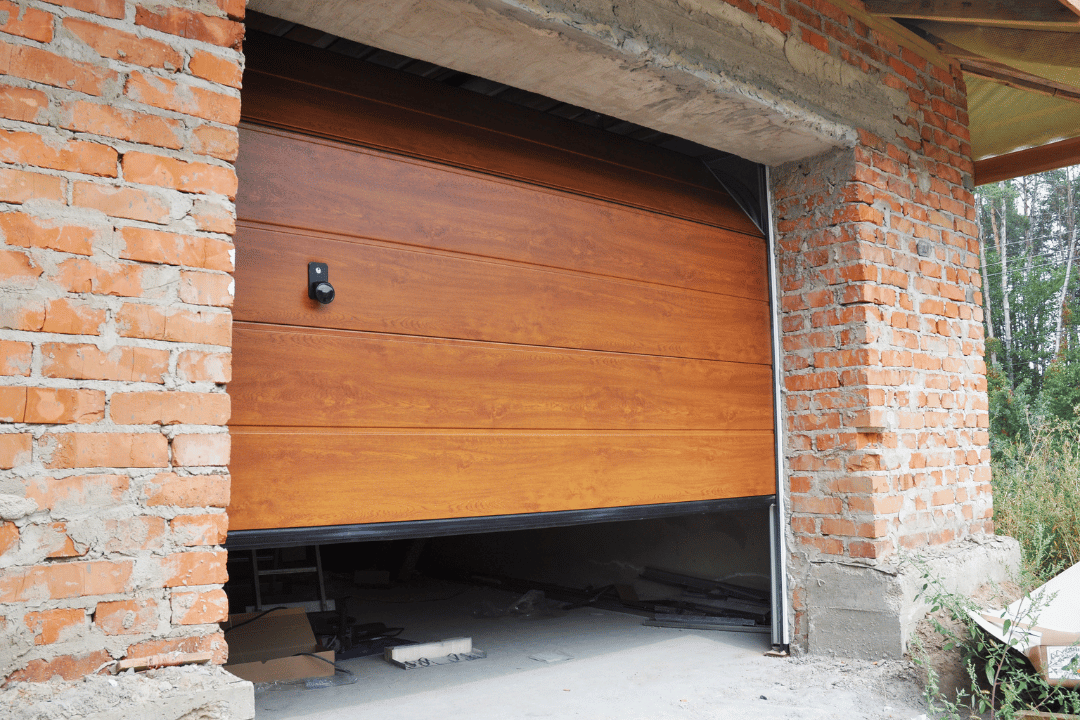
A noisy garage door is easy to dismiss right up until it stops halfway, jerks off balance, or refuses to close when the property needs to be secured. What sounds like a minor nuisance is often the first clear sign that the system is already under strain.
For property managers, facility managers, and building owners, that distinction matters. Garage doors do not simply provide convenience. They control access, support security, and in many properties, handle repeated daily cycles that leave little room for mechanical weakness. When a door starts grinding, rattling, squeaking, or banging, the sound usually indicates wear, misalignment, or rising tension elsewhere in the system. Ignoring that warning rarely saves time or money. More often than not, it turns a manageable repair into a larger operational problem.
Noise Usually Means Movement Has Changed
-
Why Early Sounds Matter More
A garage door should not suddenly become louder without a reason. Some noise is normal, especially in older systems, but a noticeable change in noise usually means the door is no longer moving through its cycle as it should. Rollers may be dragging, hinges may be loosening, tracks may be misaligned, or spring tension may be shifting, placing uneven stress on the entire assembly.
That is why many owners contact Don’s Garage Door Repair when the first sign is a change rather than total failure. A noisy door is often the earliest visible clue that one part is starting to force compensation from the rest of the system. If the door is still opening and closing, that only means the problem has not yet reached its breaking point. It does not mean the system is healthy.
-
Small Friction Turns Into Bigger Wear
One of the main reasons noise should never be ignored is that friction spreads. When rollers stop gliding smoothly, or hardware starts moving with resistance, the motor, tracks, hinges, cables, and springs all begin to absorb strain they were not meant to handle. A squeal today can become a dragging travel path tomorrow. A rattle can become loose hardware that shifts alignment. A pop can signal a tension issue that worsens with each cycle.
This is where delay becomes expensive. The property owner hears the sound, assumes the door still works, and keeps using it normally. Meanwhile, wear continues across connected components. A door system is not an isolated piece-by-piece. Once one part starts operating poorly, the others rarely stay unaffected for long.
-
Loud Doors Often Signal Imbalance
A particularly important warning sign is noise paired with uneven or shaky movement. If the door is louder than usual and also looks crooked during travel, hesitates at certain points, or closes harder than it used to, the issue may involve balance or spring tension. That is not cosmetic wear. It changes how the door’s weight is managed.
For building owners, that matters because an imbalanced garage door places real stress on both safety and reliability. The opener may start working harder to compensate. The tracks may take side pressure that they were not designed to carry. The door itself may begin moving unpredictably. When noise is accompanied by imbalance, the system is no longer just irritating. It is becoming unstable.
-
Loose Hardware Rarely Stays Minor
Many noisy garage doors are traced back to loose brackets, hinges, bolts, or mounting points. That may sound simple, but it has larger implications. Repeated vibration does not stay neatly contained. Once the hardware starts loosening, the door can shift slightly out of alignment, which creates more noise, movement, and wear at every connection point. The sound is often the only early sign the owner gets before the alignment issue becomes more obvious.
This is particularly relevant in commercial or high-use residential settings where the door cycles multiple times per day. Repetition accelerates the problem. What begins as a minor rattle can gradually affect stability, opener performance, and track condition if left unchecked for too long.
Silence Usually Means Stability
A properly functioning garage door should move with controlled, consistent sound. It should not screech, slam, rattle, or grind its way through every cycle. When it starts doing those things, the issue is rarely just the noise itself. The sound usually reflects rising friction, loose parts, imbalance, or over-strain that will become more expensive and more disruptive if left unchecked.
That is why a noisy garage door should never be ignored. It is not simply a comfort issue or a minor irritation. It is often the earliest warning that the system is moving away from stability and toward failure. For property owners and managers, acting at that stage is not overreacting. It is what prevents a warning sign from becoming a security problem, a safety concern, or a much larger repair than necessary.