
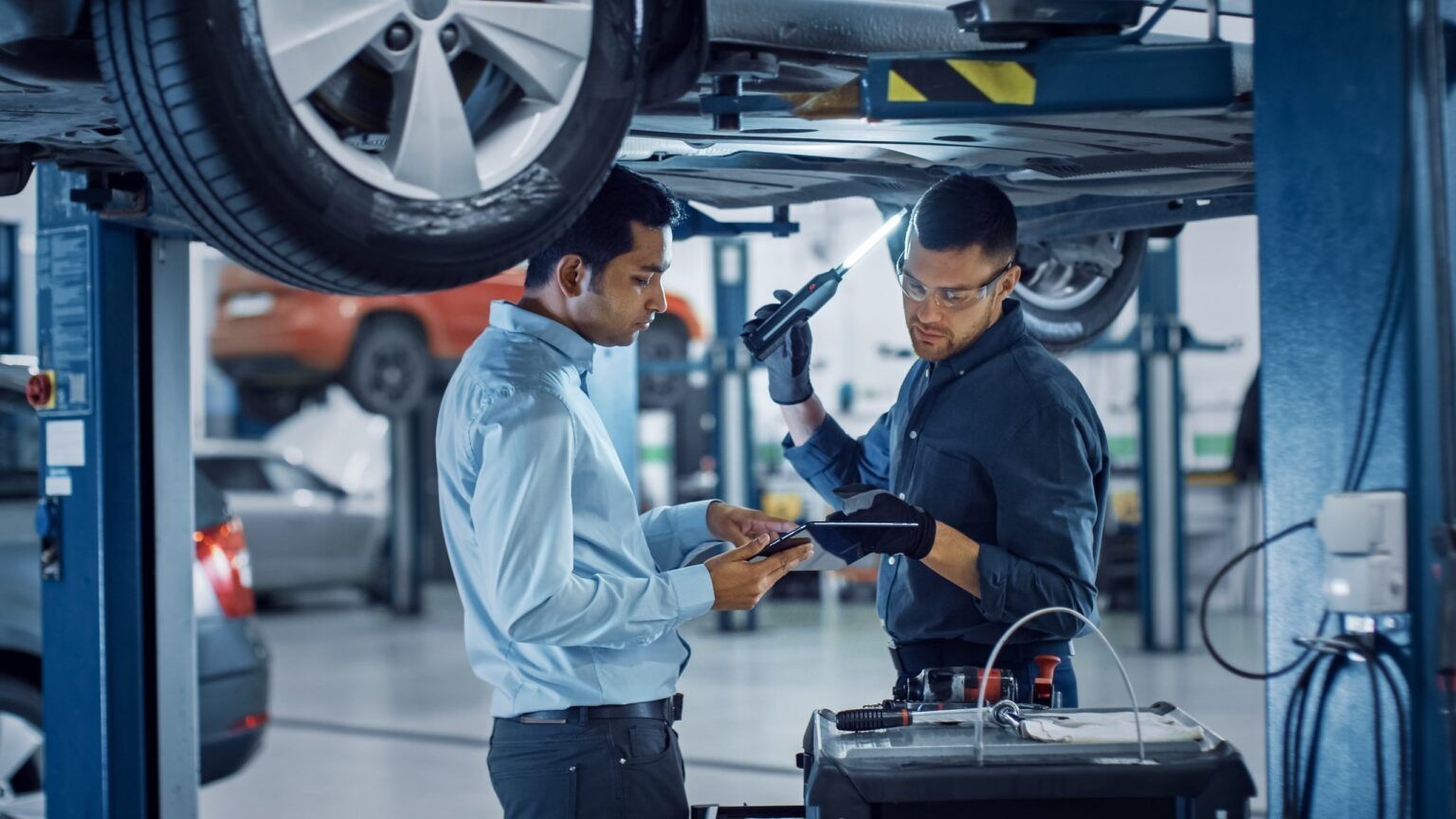
MOT testing plays a pivotal role in ensuring that vehicles remain dependable and safe throughout their service life. In the United Kingdom and other regions with similar regulatory systems, the annual MOT inspection verifies that cars, vans, and motorcycles meet specific safety and environmental standards. For owners, passing an MOT means confidence that critical systems—braking, steering, lighting, and emissions—are performing within acceptable thresholds. Regular testing catches hazards early, prevents avoidable breakdowns, and supports consistent performance over many years. For those invested in preserving their vehicle’s reliability, understanding the importance of MOT testing goes beyond compliance: We will explore how these inspections contribute to mechanical soundness and sustainable ownership.
The Core Reasons MOT Testing Strengthens Long‑Term Vehicle Reliability
- Early Detection of Mechanical Wear and Structural Issues
One of the most compelling reasons to prioritise MOT testing is the structured evaluation of mechanical elements that degrade with use. At the Stafford office, vehicles are carefully inspected to ensure that individual components like suspension bushes, brake pads, wheel bearings, and exhaust systems are functioning properly despite the stress and wear accumulated over miles. On a day‑to‑day basis, drivers might overlook subtle symptoms such as slight vibrations, gentle pulling to one side, or minor changes in stopping distance. During a formal MOT inspection, trained inspectors check these components against defined criteria, identifying signs of deterioration that may not yet be apparent on the road.
Finding a fatigued suspension arm or a brake disc approaching minimum thickness early allows owners to schedule maintenance before these issues evolve into serious failures. This pre‑emptive approach preserves the vehicle’s structural integrity and directly contributes to confidence in its long‑term reliability. By addressing worn parts at the right moment, drivers reduce the risk of sudden roadside breakdowns and support gradual, planned servicing that protects both the vehicle’s performance and its resale value.
- Safety Systems Verification Promotes Consistent Performance
Vehicles rely on a network of systems designed to keep occupants and other road users safe. The MOT process places significant emphasis on these safety functions, examining lighting units, indicators, windscreen wipers, mirrors, horn operation, and seatbelt condition. Each of these systems plays a role in everyday driving: lights ensure visibility in poor weather and at night, wipers maintain clear vision in rain, and seatbelts restrain occupants during collisions. Over time, electrical contacts can corrode, rubber seals can harden, and mechanical linkages can loosen.
Without systematic checks, a failing headlamp or a sticky wiper mechanism might go unnoticed until it contributes to a hazardous situation. By enforcing regular inspection of these safety systems, MOT testing supports ongoing reliability in the contexts that matter most—day‑to‑day operation and emergency responsiveness. Addressing minor defects before they escalate ensures that essential features function as intended, reducing the likelihood of accidents, unexpected breakdowns, and costly repairs that originate from neglected safety equipment.
- Emissions Monitoring and Environmental Health
A key aspect of MOT testing involves measuring vehicle emissions to ensure compliance with environmental standards. Internal combustion engines produce pollutants such as carbon monoxide, hydrocarbons, and nitrogen oxides, and these outputs tend to increase as engines age or fall out of tune. Elevated emissions not only affect air quality but also signal underlying engine inefficiencies. An MOT that flags excessive emissions encourages investigation into fuel delivery systems, oxygen sensors, spark plugs, and engine management modules. Correcting these issues restores more efficient combustion, which in turn stabilises engine performance and reduces strain on ancillary systems such as exhaust manifolds and catalytic converters.
For owners, addressing emissions issues during MOT testing translates into smoother acceleration, improved fuel economy, and a more reliable engine under varying driving conditions. From a broader perspective, regular monitoring supports community health and aligns long‑term vehicle use with environmental responsibilities. Ensuring that vehicles remain within prescribed emissions limits is therefore beneficial not just for individual reliability but for collective atmospheric quality.
- Documentation and Legal Assurance for Owners
Beyond the technical evaluation of a vehicle’s condition, MOT testing provides documented proof of roadworthiness at specific points in time. This formal record serves multiple functions for owners committed to reliable ownership. In the event of selling or purchasing a used vehicle, a history of consistent MOT passes reassures both parties that the vehicle has been maintained within recognised standards. This documented continuity adds transparency and often enhances trust in the vehicle’s condition. Additionally, having a current MOT is a legal requirement for most vehicles on public roads, and failure to present a valid certificate can result in fines or penalties.
By staying current with MOT testing, owners avoid unnecessary legal complications and maintain uninterrupted use of their vehicle. The process of recording issues discovered during testing also creates a baseline for tracking recurring faults, enabling informed decisions about repairs and investments in longevity. In essence, MOT documentation is a practical tool that reinforces long‑term operational reliability through accountability, history, and regulatory compliance.
The significance of MOT testing extends far beyond merely fulfilling legal requirements. By promoting the early detection of wear, validating safety systems, monitoring emissions, providing documented assurance, supporting preventative maintenance, and encouraging owner engagement, these inspections form a critical foundation for long‑term vehicle reliability. Treating MOT testing as an integral aspect of vehicle care helps drivers preserve performance, manage costs, and ensure consistent operational confidence over the years. Regular participation in the MOT process thus aligns mechanical durability with responsible, informed ownership.