
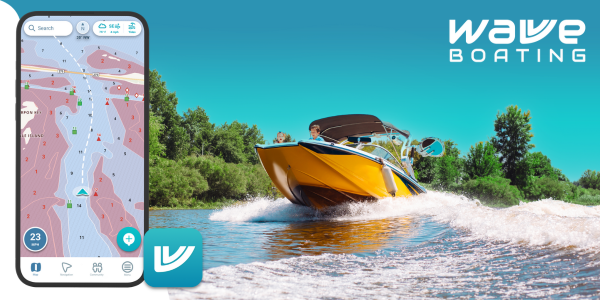
Weather conditions play a critical role in boating safety. While a sunny day on land may appear perfect for heading out on the water, marine environments behave very differently from coastal or inland areas. Wind patterns, wave conditions, tides, and visibility can change quickly, sometimes within just a few hours. For this reason, understanding marine weather is one of the most important habits every boater should develop.
Many boating accidents and difficult situations occur because weather conditions were underestimated or misunderstood. Modern technology has made it easier for boaters to access detailed marine forecasts and plan their trips more effectively.
For those navigating Australian waters, using a marine weather app Australia can help provide clearer marine forecasts, allowing boaters to check wind conditions, wave height, and changing weather patterns before leaving the dock.
Why marine weather is different from regular weather forecasts
Standard weather forecasts are typically designed for land-based activities. They focus on temperature, rainfall, and general wind patterns, which are useful but do not provide enough information for boating.
Marine forecasts include additional details that are essential for safe navigation. These may include wind direction, wave height, swell period, tide movements, and visibility conditions. Each of these factors can affect how safe and comfortable a boating trip will be.
For example, even moderate winds can create strong waves in open water, making navigation difficult for smaller vessels. A clear understanding of marine-specific forecasts allows boaters to prepare properly.
Wind conditions and boating safety
Wind is one of the most important weather factors for boaters to monitor. Changes in wind speed and direction can quickly affect water conditions.
Strong winds create larger waves and choppier surfaces, which can reduce boat control and increase the risk of accidents. In narrow waterways or busy harbours, strong wind gusts can also push boats off course.
Checking wind forecasts before a trip helps boaters decide whether conditions are safe for their vessel and level of experience.
Understanding wave height and swell
Wave height and swell patterns are another important part of marine forecasts. Swell refers to the long rolling waves created by distant weather systems, while local wind waves are usually shorter and steeper.
Large swells combined with strong winds can create challenging conditions, especially near coastal bars or shallow areas. Even experienced boaters rely on wave forecasts to determine whether conditions are manageable.
Understanding these patterns helps boaters choose safer routes and avoid areas where waves may become dangerous.
Planning safer departure and return times
Marine conditions often change throughout the day. Winds may be calm in the early morning but increase significantly during the afternoon. Tides also shift water levels and currents during different times of the day.
By reviewing marine forecasts ahead of time, boaters can plan their departure and return windows more effectively. Choosing the right time to launch can make a major difference in comfort and safety.
This level of planning is especially important for longer trips or offshore excursions where weather changes may occur quickly.
Avoiding unexpected weather risks
Sudden storms and weather changes can create dangerous situations for boaters who are unprepared. Reduced visibility, heavy rain, and strong winds can make navigation more difficult and increase the risk of collisions or grounding.
Monitoring marine weather forecasts helps boaters recognise warning signs early. If conditions begin to change, operators can adjust their plans, return to shore sooner, or seek shelter.
Taking these precautions helps prevent situations from escalating into emergencies.
Supporting safer boating habits
Checking marine weather conditions should be a routine part of every boating trip, just like checking fuel levels and safety equipment.
Experienced boaters often review forecasts the day before a trip and again just before departure. This habit ensures that the most current information is used when making navigation decisions.
Modern marine weather tools make this process easier by providing updated forecasts directly on a mobile device.
A smarter way to prepare for boating trips
Preparation is one of the most effective ways to improve boating safety. Understanding marine weather conditions allows boaters to anticipate challenges rather than react to them after they occur.
With access to detailed marine forecasts, boaters can plan routes, choose safer travel times, and avoid areas where conditions may become hazardous.
By making marine weather checks part of every trip planning routine, boaters can reduce risks, protect their vessels, and ensure a safer and more enjoyable experience on the water.
In the end, the goal of checking marine weather is simple: give boaters the information they need to make better decisions before and during every trip.