
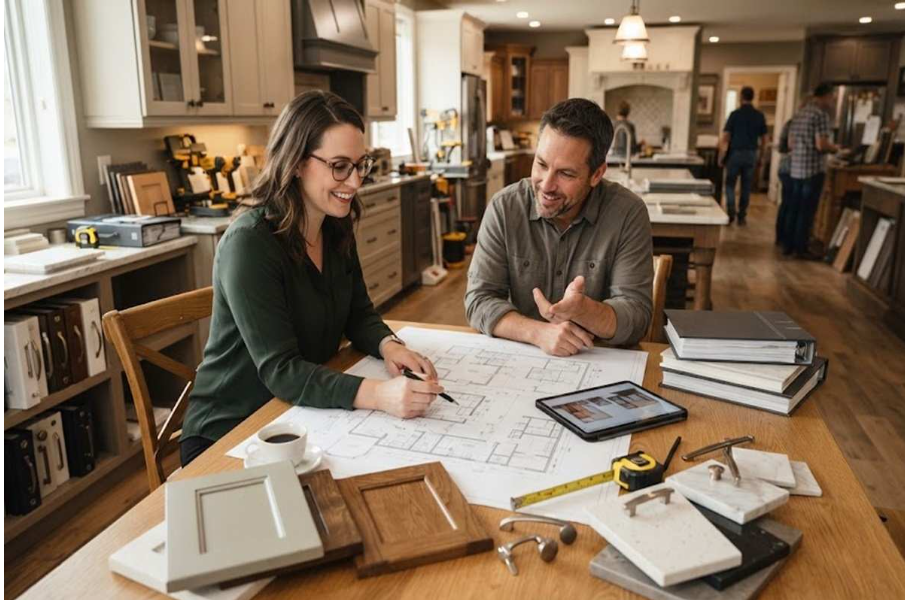
A kitchen cabinet consultation is an important step when planning a new kitchen or updating an existing one. It gives you the opportunity to discuss your ideas, lifestyle, storage requirements, preferred materials, and budget with an experienced professional. Instead of simply choosing cabinets from a catalogue, you can create a design that suits your space and daily needs.
During the consultation, kitchen cabinet makers carefully review your kitchen and help turn your ideas into a practical plan. They consider everything from cabinet layouts and finishes to hardware and installation requirements. Understanding what happens during this meeting can help you prepare and make confident decisions throughout the project.
Understanding Your Needs
The consultation usually begins with a conversation about how you use your kitchen. Your cabinet maker may ask about your cooking habits, family size, entertaining needs, and the appliances you use regularly. These details help determine the type and amount of cabinetry your kitchen requires.
You can also explain what you like and dislike about your current kitchen. Perhaps you need more workspace, better organization, additional pantry storage, or easier access to frequently used items. Sharing these concerns allows the cabinet maker to create solutions based on your everyday routine rather than focusing only on appearance.
Reviewing Your Kitchen
After understanding your requirements, kitchen cabinet makers will examine the kitchen area. Measurements are particularly important because cabinets must fit accurately around walls, windows, doors, plumbing, electrical points, and appliances.
During this stage, the professional may consider:
- Available wall and floor space
- Ceiling height and unusual angles
- Existing plumbing and electrical connections
- Locations of doors and windows
- Appliance positions and dimensions
- Ventilation and lighting requirements
If the consultation takes place at your home, the cabinet maker may take detailed measurements and photographs. If it happens elsewhere, you may need to provide accurate measurements or architectural plans.
Discussing Design Style
Once your practical requirements are understood, the conversation can move toward your preferred design style. You might prefer a modern kitchen with clean lines or a traditional design with decorative details. Some homeowners choose a transitional style that combines elements of both.
You can bring photographs, magazine pages, online inspiration, or examples of kitchens you admire. These references make it easier to communicate your preferences. Your cabinet maker can then suggest design elements that complement your home while keeping the kitchen functional.
Choosing Materials
Materials have a major influence on the appearance, durability, and cost of kitchen cabinets. During the consultation, you may discuss options such as solid wood, plywood, medium-density fiberboard, laminate, or other engineered materials.
Each material has different characteristics. Some provide a natural appearance, while others offer greater resistance to moisture, stains, or everyday wear. The right choice depends on your budget, lifestyle, maintenance preferences, and desired appearance.
A professional can explain the advantages and limitations of each option so you can make an informed decision without selecting materials based only on their appearance.
Planning Storage
One of the biggest advantages of working with kitchen cabinet makers is the opportunity to improve storage. Instead of accepting standard layouts, you can discuss solutions designed around the way you use the kitchen.
Useful storage features may include:
- Deep drawers for pots and pans
- Pull-out pantry storage
- Tray and baking-sheet organizers
- Corner storage solutions
- Built-in waste and recycling compartments
- Appliance garages or dedicated appliance spaces
The cabinet maker can help determine which features are genuinely useful and which may unnecessarily increase the project cost.
Selecting Finishes
Cabinet finishes help establish the overall character of your kitchen. During the consultation, you may review different colours, textures, stains, paints, laminates, or wood finishes. Your cabinet maker can explain how each option may look under different lighting conditions.
It is useful to consider the other elements of the room when selecting finishes. Flooring, benchtops, splashbacks, walls, and appliances should work together rather than competing for attention. A balanced finish can make the kitchen feel more cohesive and visually appealing.
Discussing Hardware
Hardware may seem like a small detail, but handles, knobs, hinges, and drawer runners can significantly affect both appearance and usability. During the consultation, you can explore different hardware styles and finishes that complement your chosen cabinetry.
Your cabinet maker may also discuss soft-close hinges and drawer mechanisms. These features can provide smoother operation and reduce noise during everyday use. Choosing suitable hardware early helps ensure that the final kitchen has both practical and decorative consistency.
Reviewing the Budget
Budget is one of the most important topics during a consultation with kitchen cabinet makers. Being open about your expected spending allows the cabinet maker to recommend realistic materials, features, and design solutions.
The cost can be influenced by several factors, including cabinet size, construction method, materials, finishes, hardware, custom features, and installation requirements. Discussing these elements early can help you understand where your money will be spent.
If your preferred design exceeds your budget, the cabinet maker may suggest alternatives. Adjusting finishes, hardware, storage accessories, or certain design features can sometimes reduce costs without compromising the overall functionality of the kitchen.
Discussing the Timeline
A kitchen renovation involves several stages, so understanding the expected timeline is important. Your cabinet maker can explain what happens between the initial consultation and final installation.
The schedule may include design development, measurements, material selection, approvals, cabinet production, delivery, and installation. Custom cabinetry can require additional preparation and manufacturing time compared with standard products.
Ask about expected completion dates and any factors that could cause delays. Knowing the process in advance allows you to coordinate other renovation work and prepare your household for the installation period.
Reviewing the Design
Before the cabinets move into production, the proposed design should be carefully reviewed. Depending on the cabinet maker, you may receive drawings, measurements, layouts, or digital visualisations showing how the finished kitchen could look.
This is your opportunity to check cabinet positions, storage arrangements, appliance locations, finishes, hardware, and other important details. Do not hesitate to ask questions or request changes if something does not feel right.
A detailed review can prevent misunderstandings and costly alterations later. Once you are satisfied with the design and specifications, the cabinet maker can proceed with the next stage of the project.
Why Trust Maine Cabinet Company?
At Maine Cabinet Company, the kitchen is seen as more than just a place for cooking; it is a central part of the home. Their team designs custom cabinetry with a strong focus on both appearance and everyday use. From sleek contemporary designs to warm traditional styles, they create cabinets that suit your space and bring your ideas into reality.
Their craftsmanship also covers other areas of the home, including decorative crown molding, custom bathroom cabinetry, and quartz countertops. Every project is handled with attention to detail and a commitment to quality. Whether you need a simple upgrade or a complete transformation, Maine Cabinet Company works to create beautiful, practical spaces that feel truly your own.
Final Thoughts
Consultation with kitchen cabinet makers is much more than a simple discussion about cabinet colours. It is a collaborative planning session where your needs, space, style, storage requirements, materials, budget, and timeline are brought together.
Preparing a list of your priorities and gathering design inspiration can make the consultation more productive. By communicating openly and reviewing each detail carefully, you can work with your cabinet maker to develop a kitchen that looks attractive, functions efficiently, and suits your lifestyle for years to come.