
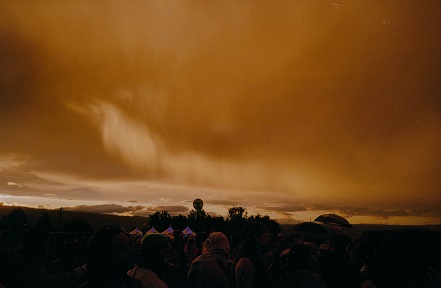
Natural events encompass a broad range of phenomena that occur in the environment, often resulting from natural processes. These events are significant not only for their impact on ecosystems and landscapes, but also for their capacity to affect human populations, prompting concern and urgency within communities. Understanding the dynamics and classification of natural events is crucial for individuals and organizations alike, as it fosters preparedness and resilience against potential threats.
Among the most commonly discussed natural events are earthquakes, hurricanes, volcanic eruptions, floods, and wildfires. Each of these occurrences has unique characteristics and triggers that define them. Earthquakes result from the sudden release of energy in the Earth’s crust, which can cause significant structural damage and loss of life. Hurricanes, characterized by their intense winds and heavy rainfall, form over warm ocean waters and can lead to devastating coastal flooding.
Volcanic eruptions involve the expulsion of magma, ash, and gases from a volcano, which can drastically alter the surrounding environment and pose threats to nearby inhabitants. Floods, often resulting from excessive rainfall or snowmelt, disrupt communities and can lead to widespread property damage. Wildfires, which can ignite due to natural causes or human activities, have the potential to engulf vast areas of land, threatening both wildlife and human settlements.
These natural events highlight the interconnectivity of natural systems and human life, showcasing the need for effective risk management and response strategies. Understanding these events not only helps in mitigating their impacts but also emphasizes the importance of ongoing research and education in developing future preparedness plans. The following sections will delve deeper into specific natural events, offering insights into their causes, effects, and the precautionary measures that can be taken to safeguard lives and property.
The Impact of Natural Events on Communities
Natural events, such as earthquakes, hurricanes, and floods, manifest with varying degrees of intensity, leading to significant repercussions on both local and global communities. These events can inflict immediate damage on infrastructure, resulting in the destruction of homes, roads, and essential services such as hospitals and schools. The economic ramifications can be profound, as communities often face exorbitant costs for recovery and rebuilding. For example, the aftermath of Hurricane Katrina in 2005 showcased the extensive impact on New Orleans, where damaging winds and flooding led to widespread displacement and a prolonged recovery process.
In addition to immediate physical damage, natural disasters can lead to tragic loss of life, leaving families and communities devastated. The loss of community members not only creates emotional scars but can also disrupt social structures, leading to further challenges as survivors cope with their grief. A poignant case is the 2010 earthquake in Haiti, which tragically claimed hundreds of thousands of lives and resulted in long-term challenges for the nation’s development and recovery efforts.
Beyond the acute impacts, natural events can have prolonged effects on mental health, as individuals and communities grapple with trauma and the uncertainty of future occurrences. Communities are often left grappling with issues such as anxiety, depression, and post-traumatic stress disorder (PTSD). The strain on emergency services and local government agencies can also escalate, as they must address both immediate and long-term needs. For instance, the responses to wildfires in Australia in 2019 highlighted the overwhelming burden placed on firefighters and volunteers, whose resources were stretched to their limits.
In conclusion, the impact of natural events on communities is multifaceted, encompassing immediate destruction and long-term social, economic, and psychological repercussions. Understanding these effects is crucial for creating resilient communities capable of withstanding such challenges in the future.
Preparedness and Response Strategies
In the face of natural events, preparedness and response strategies are pivotal for safeguarding communities and individuals. Developing comprehensive emergency preparedness plans is crucial, as they provide a structured approach to addressing potential disasters. These plans should outline evacuation routes, communication protocols, and necessary supplies to withstand various emergencies, such as hurricanes, earthquakes, or floods.
Communities are encouraged to utilize available resources to enhance their readiness. Local government agencies often provide tools and information that can aid in creating these essential plans. For example, community centers may hold workshops focused on disaster preparedness, offering insights into emergency kits, first aid training, and safety drills. Moreover, engaging with neighbours and forming local support networks can create a sense of unity and shared responsibility, making it easier to respond effectively during a crisis.
The timely dissemination of information plays a vital role in managing natural events. Residents must stay informed through reliable channels, such as the local news, weather services, and governmental alerts. These resources can relay crucial updates regarding impending disasters and shelter locations, ensuring individuals can make informed decisions quickly. Furthermore, during and after a natural event, local governments and relief organizations work in tandem to implement response strategies that prioritize public safety.
Rescue operations become imperative as authorities mobilize to assist those affected by disasters. Coordinating aid distribution following an event helps provide necessary resources, such as food, water, and medical care. Engaging volunteers also amplifies the outreach of help within the community, making recovery efforts more efficient. Ultimately, by establishing solid preparedness and response strategies, communities can foster resilience, ensuring they are equipped to navigate the challenges posed by natural events effectively.
Conclusion and Future Considerations
As we navigate through the complexities of natural events, it becomes increasingly important to recognize the dual nature of these occurrences. On one hand, they are essential elements of Earth’s cycles, contributing to the ecosystem’s balance. On the other hand, their potential for destruction necessitates our vigilance and preparedness. Throughout this discussion, we have explored various natural events, such as earthquakes, floods, and wildfires, highlighting their causes, impacts, and the significance of being informed. Understanding these phenomena helps us comprehend their role in our lives and reinforces the necessity of being ready for their potential occurrence.
Moreover, the implications of climate change present a fundamental concern regarding natural events. Scientific consensus indicates that the changing climate is expected to increase the frequency and intensity of specific natural disasters. Therefore, staying updated on climate trends is crucial for effective disaster preparedness. Communities must adapt their strategies in response to these changes by improving infrastructure, implementing early-warning systems, and fostering collaborative emergency response plans.
To contribute to a society that is resilient in the face of natural hazards, each individual can play a role in local preparedness initiatives. Educating oneself, participating in community drills, and advocating for sustainable practices can mitigate the impact of these events. It is vital to engage with local resources and organizations that specialize in disaster preparedness, ensuring that both individuals and communities are well-equipped to handle emergencies.
In conclusion, awareness and readiness are key components in addressing the challenges posed by natural events. By actively participating in preparedness efforts and remaining informed on climate change, individuals can promote safety for themselves and their communities while contributing to broader resilience strategies. Staying alert and proactive is essential in a world where natural events are part of our everyday reality.