
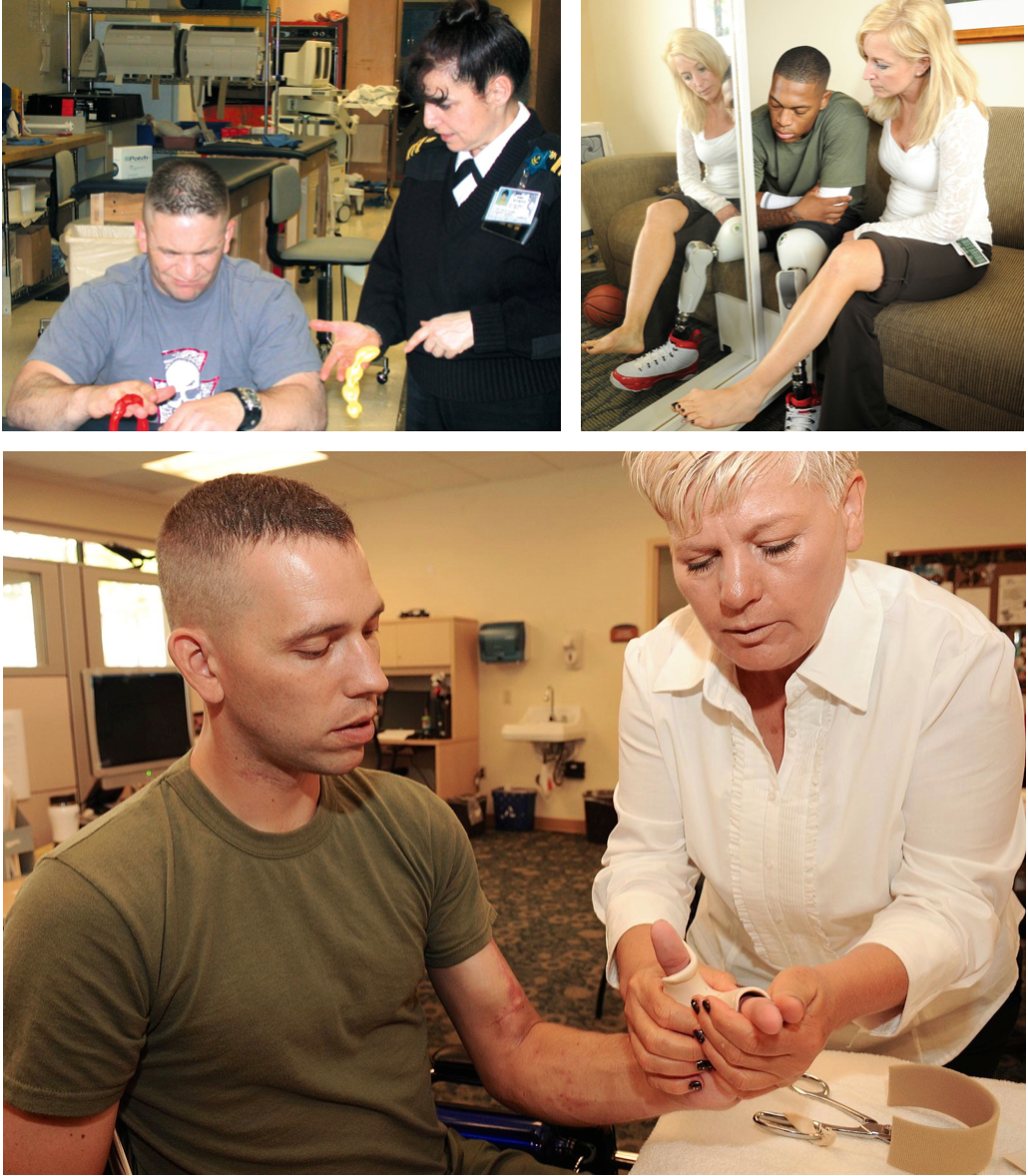
The field of occupational therapy is dedicated to helping individuals lead more fulfilling and independent lives. One of the essential tools utilised in this field is the OT functional assessment, which is critical in evaluating a person’s abilities and challenges in performing daily activities. By understanding and implementing these assessments, therapists can create tailored interventions that significantly improve patient outcomes.
What is an OT Functional Assessment?
An OT functional assessment is a comprehensive evaluation that focuses on an individual’s capability to perform tasks related to daily living and work activities. It is fundamental in identifying the specific needs and barriers a person faces in their environment. This assessment supports occupational therapists in their efforts to enhance clients’ ability to engage in meaningful activities.
The Process of OT Functional Assessment
The process typically involves a series of evaluations that may include interviews, observations, and standardised tests. The therapist gathers pertinent information about the individual’s physical, emotional, and cognitive functions. This data is then used to form a holistic view of the client’s current functional status and the underlying factors affecting their ability to perform activities.
Key Components of the Assessment
There are several components involved in OT functional assessments. These include assessing the individual’s physical capabilities, such as strength and coordination, cognitive and emotional states, and the environmental factors that may impact their performance. Each component provides invaluable insight into how the individual interacts with their world.
Benefits of OT Functional Assessment
The benefits of conducting thorough OT functional assessments are numerous. Not only do they facilitate tailored intervention planning, but they also promote measurable outcomes in rehabilitation. By clearly understanding a client’s needs, therapists can establish realistic goals and monitor progress effectively.
Customising Interventions
One of the primary advantages of an OT functional assessment is the ability to customise interventions. These assessments allow therapists to devise plans that are uniquely suited to each individual’s challenges and strengths. The resulting interventions are more likely to be effective and engaging for the client.
Enhancing Patient Independence
A significant aim of occupational therapy is to enhance patient independence. OT functional assessments play an indispensable role in this mission. By identifying areas requiring improvement, therapists can focus on enhancing the skills needed for a client to be as independent as possible in their daily life.
The Role of Technology in Assessments
Technology has increasingly become a part of OT functional assessments. Tools such as software applications and digital devices are now used to support traditional assessment methods. These technologies offer new ways to measure and track a person’s functional abilities, providing additional layers of data that can inform intervention strategies.
Challenges in OT Functional Assessment
Despite its benefits, OT functional assessments are not without challenges. Practitioners may encounter issues such as time constraints, the availability of resources, and the need for continuous professional development to keep up with the latest assessment techniques. Addressing these challenges is essential for the effective implementation of these assessments.
The Future of OT Functional Assessment
Looking ahead, the field of occupational therapy and the use of functional assessments are likely to evolve. With advancements in research and practice, these assessments will continue to play a crucial role in facilitating patient-centred care. Moreover, developments in assessment tools promise to further increase the precision and efficacy of evaluations.
Conclusion
In conclusion, understanding and executing a comprehensive OT functional assessment is vital in the field of occupational therapy. These assessments provide the foundation for developing effective, individualized treatment plans that can greatly improve patient outcomes. As the field progresses, the continued refinement and application of these assessments will remain pivotal in enhancing the quality of care.